Connect Bay Area transit tax measure qualifies for November ballot
More than 305,000 signatures pushed the Connect Bay Area Act onto the November ballot, setting up a five-county vote on a new sales tax for transit.
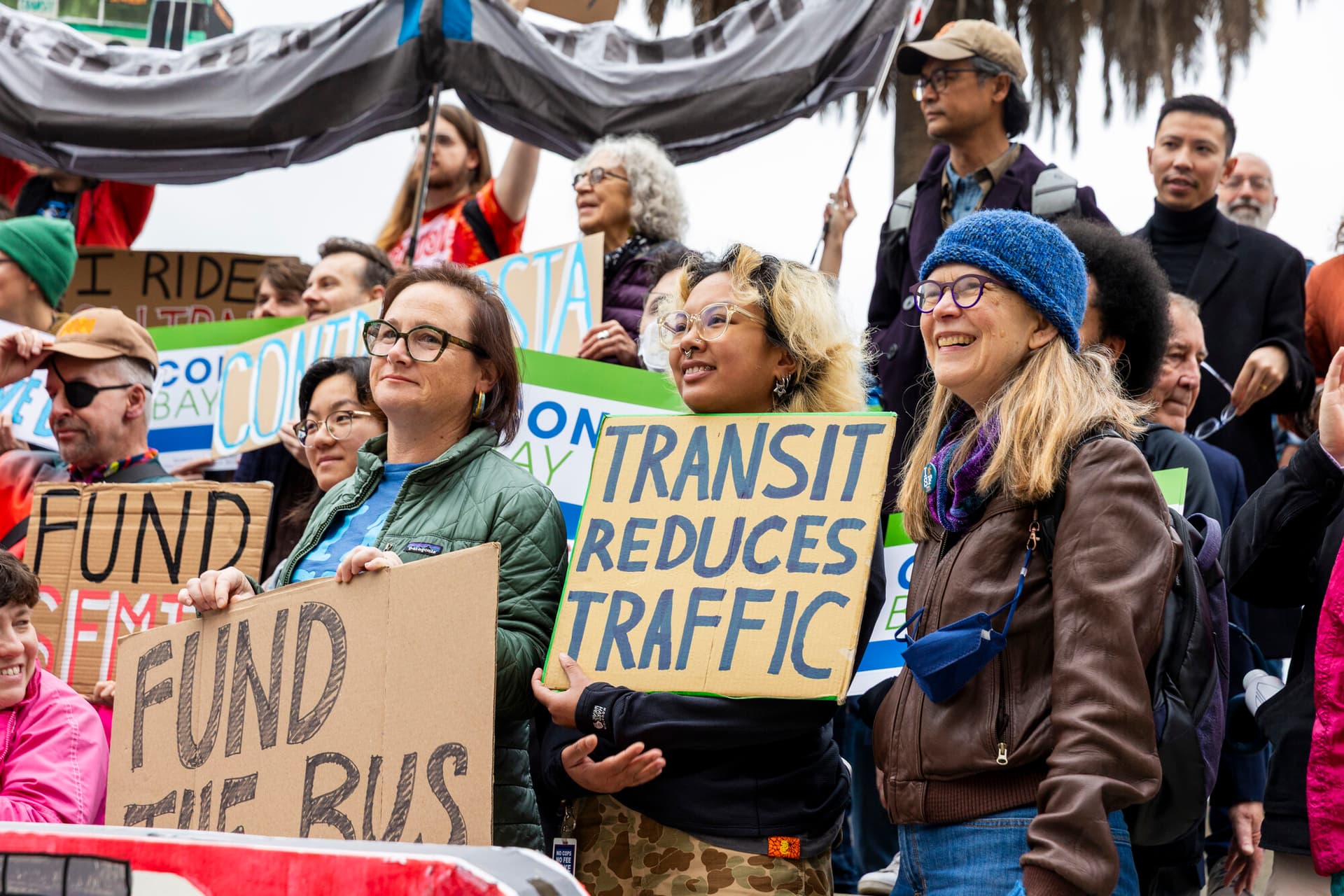
The Connect Bay Area Act cleared its first big test with room to spare, as organizers said they collected 305,895 signatures, far above the roughly 186,000 needed to qualify for the November ballot. For San Francisco riders, that means the fight over Muni, regional rail and the broader Bay Area transit network is moving from the petition phase to a high-stakes vote on whether to pay more to hold service together.
The measure would go before voters in Alameda, Contra Costa, San Francisco, San Mateo and Santa Clara counties, putting one of the region’s biggest transportation decisions of the year on the ballot. A Metropolitan Transportation Commission fact sheet said the proposal was authorized by SB 63, enacted in 2025, specifically to let those five counties decide whether to add a sales tax for transit support.
That is the central bargain being offered to San Francisco residents: new regional transit money in exchange for a chance to steady a system under structural budget pressure. Supporters say the tax would help keep buses, trains and other services from slipping deeper into the cuts that have dogged Bay Area transit for years, while reducing the threat of more erosion in reliability and service levels that everyday riders feel on the way to work, school and appointments.

The stakes are especially sharp in San Francisco, where Muni is woven into daily life and where transit cuts can quickly show up as longer waits, tighter connections and more strain on already crowded lines. The campaign is selling the measure as a way to avoid a worse fiscal cliff, not simply as another tax increase, and that framing is aimed at voters who depend on transit but worry about paying more to protect it.
State Sen. Scott Wiener, one of the most visible advocates for transit funding, has argued that the Bay Area has to step up to save the system. The signature haul, well above the threshold, suggests that message has found traction with both voters and donors, and it puts new pressure on opponents to explain how they would prevent further decline without new revenue.

The campaign’s success also places this effort in a familiar Bay Area tradition: regional transit measures often arrive as emergency stabilizers, backed by warnings that service will deteriorate without fresh money. What voters are being asked to buy into now is a dedicated sales tax that would try to shore up operations before the next round of cuts hits San Francisco commuters and the wider five-county network.
This article was produced by Prism’s automated news system from verified source data, official records, and press releases, then run through automated quality and moderation checks before publishing. The system is built and supervised by the people who set the standards it runs under. Read our full AI policy.
Did this article answer your question?