Fillmore co-op that once sheltered Black families now faces evictions
A Fillmore co-op built to protect Black families is now moving toward evictions, reopening the neighborhood’s oldest wound: displacement.
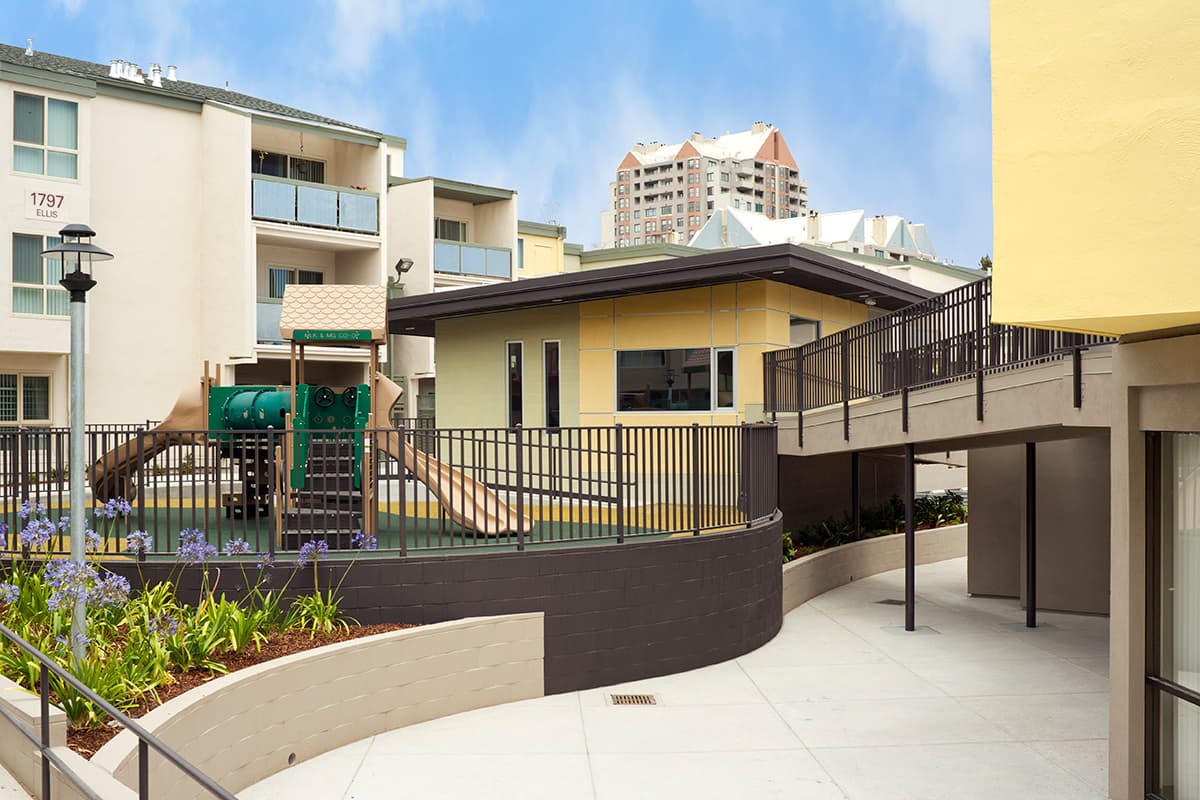
On Steiner Street, between Eddy, Pierce and Ellis, the Martin Luther King–Marcus Garvey Square Cooperative Apartments was built as a safeguard for Black San Franciscans. Today, the 211-unit affordable housing co-op is moving toward evictions, turning one of the Fillmore’s best-known symbols of stability into a fresh front in the city’s housing crisis.
That contradiction lands hard in a neighborhood that once carried the name “Harlem of the West” and then spent decades absorbing the damage of urban renewal. Freedom West Homes says the late-1960s co-op movement grew out of a government-backed rebuilding campaign that displaced more than 20,000 predominantly African American Fillmore residents and closed more than 800 businesses. What emerged from that loss were housing institutions meant to hold Black residents in place, not push them out.
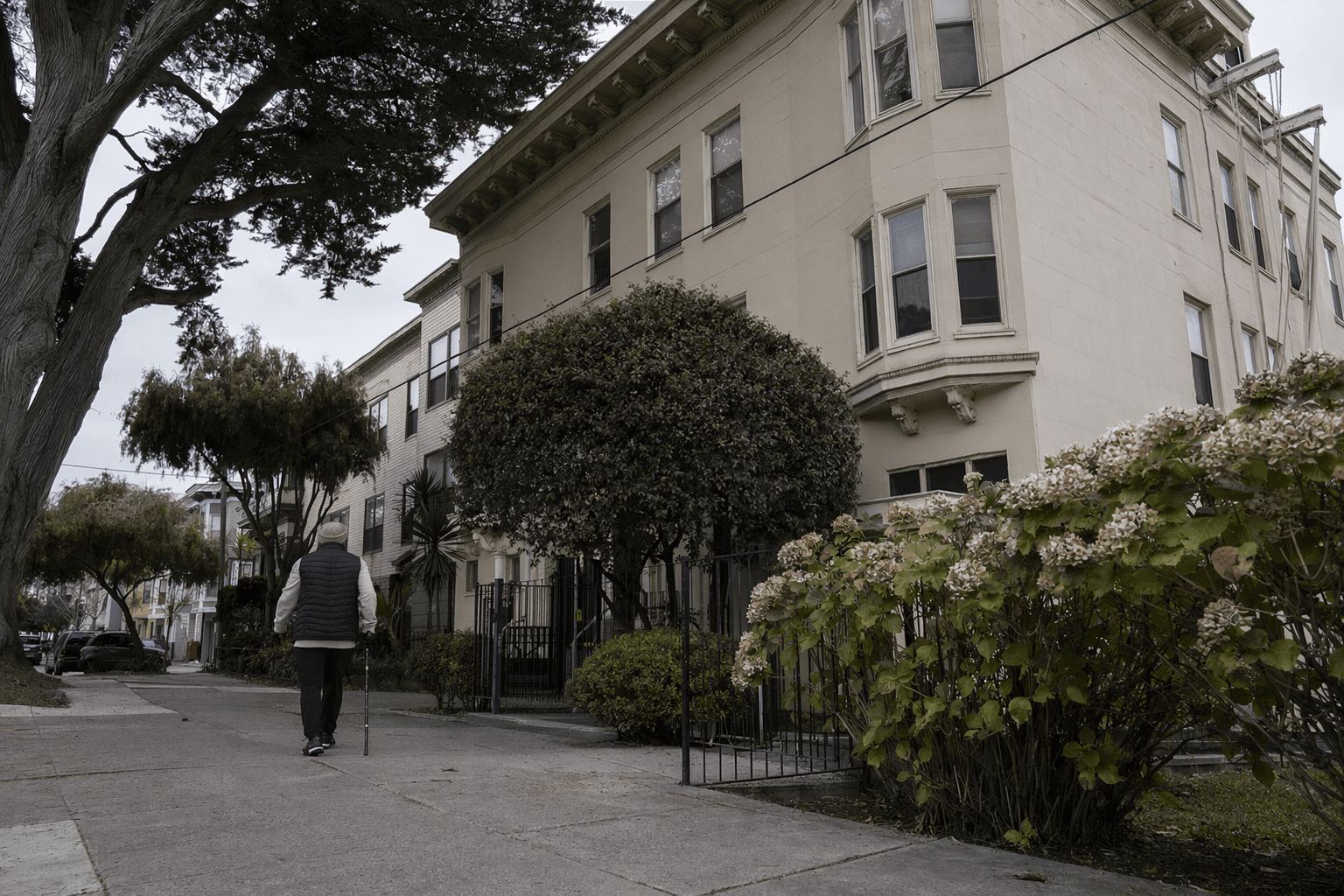
The Marcus Garvey co-op itself was renovated over three years beginning in 2009, with Related California completing the project in 2011 after the building had been threatened with loss of Section 8 status. But the promise of that investment has not erased the pressure on residents. In August 2022, more than 100 people gathered at the apartments to protest evictions of longtime Black residents, a sign of how quickly a protected housing model can become a site of insecurity.
Supervisor Dean Preston said at the time that residents were being uprooted “based on technicalities” and called the evictions another round of displacement for a community that had already endured decades of it. Resident Richard Henegan said he had lived at the apartments since he was 7 years old and that his family had built equity over decades. Those remarks captured what is at stake: not only leases and paperwork, but generational claims to place, ownership and dignity.
The broader picture is equally stark. San Francisco’s Black population is now about 5% of residents, which makes every eviction from a legacy Black housing institution carry outsized weight. Freedom West Homes, another Fillmore co-op created in response to urban renewal, now says it has about 1,000 residents, 382 cooperatively owned affordable homes and a plan to add 133 new affordable rental homes. The San Francisco Foundation says about three-quarters of its households earn less than 60% of area median income.
In the Fillmore, the lesson is increasingly clear: housing built to resist displacement can still unravel under financial, legal or political strain. When that happens, the loss is not just one building. It is another piece of Black San Francisco’s remaining foundation.
This article was produced by Prism’s automated news system from verified source data, official records, and press releases, then run through automated quality and moderation checks before publishing. The system is built and supervised by the people who set the standards it runs under. Read our full AI policy.
Did this article answer your question?