Former prosecutor credits San Francisco crime drop to AI, drones, cameras
San Francisco’s 2024 crime drop looks dramatic, but city data, policing shifts and surveillance expansion all point to a broader story than drones alone.
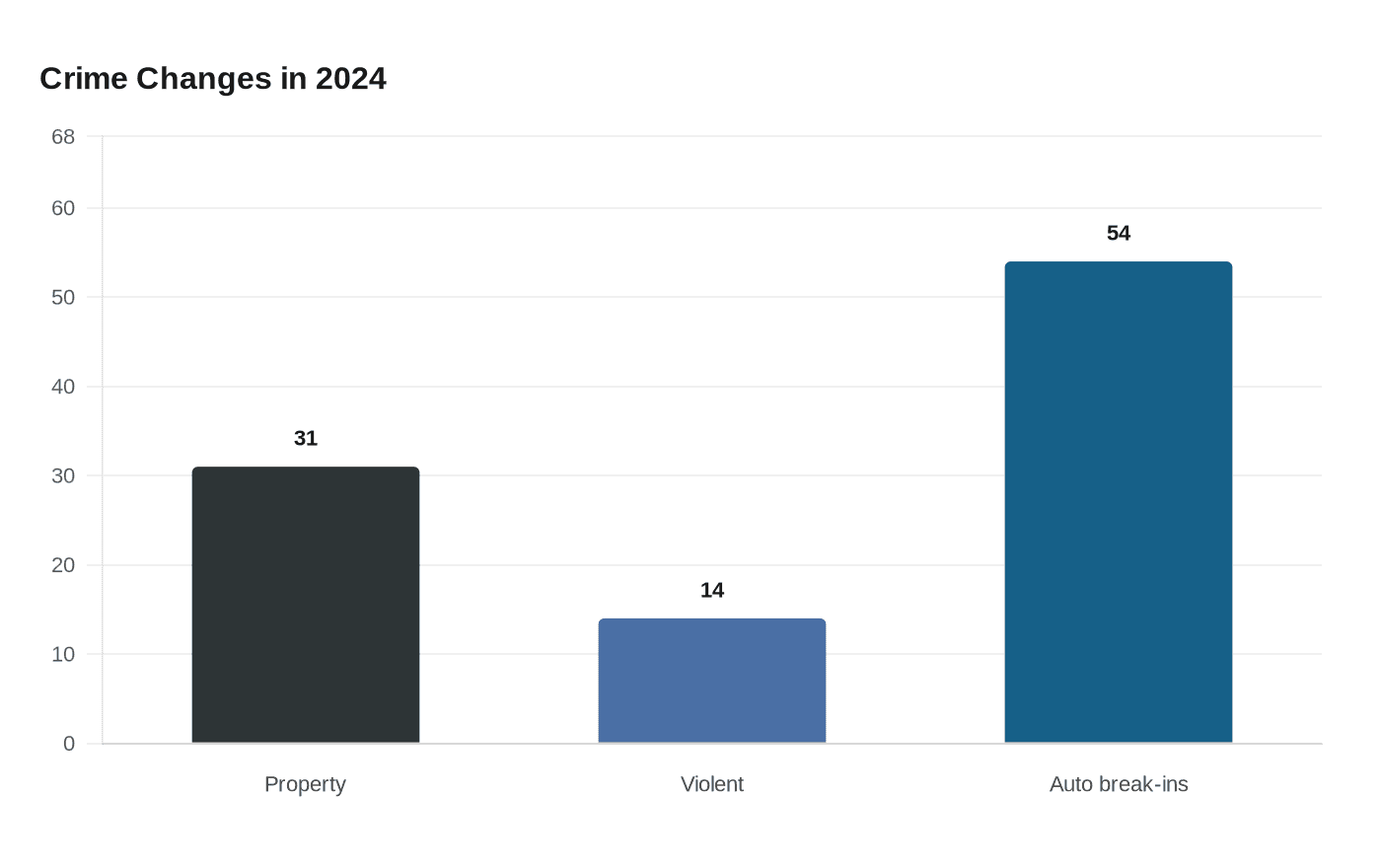
Former federal prosecutor Joseph Tartakovsky is crediting San Francisco’s crime drop to AI, drones and cameras, but the city’s own numbers show a more complicated picture. In 2024, city officials said property crime fell 31% from 2023, violent crime fell 14%, homicides hit a 60-year low and auto break-ins dropped 54%, falling below 10,000 for the first time in nearly 15 years.
Those figures are real, but they do not all measure the same thing. The San Francisco Police Department’s dashboard counts incidents, not victims, except in homicide cases, which are counted by victims. That matters when officials bundle together break-ins, robberies and assaults as proof that a single technology shift is working across the board.
The surveillance push began in earnest after voters approved Proposition E on March 5, 2024. The measure expanded SFPD’s ability to use surveillance tools and changed some police rules and procedures. City officials said it opened the door to newer public-safety technology, including cameras and drones, and Mayor London Breed’s proposed budget set aside $3.7 million to pay for the new tools. Under the city’s surveillance inventory, SFPD can now use a technology during a one-year pilot period if it files the required policy within a year of use or acquisition.
San Francisco still carries tighter limits than many large cities. It banned police facial recognition in 2019, the first major U.S. city to do so, and its policy bars SFPD from using biometric identification or facial recognition with non-City surveillance cameras.
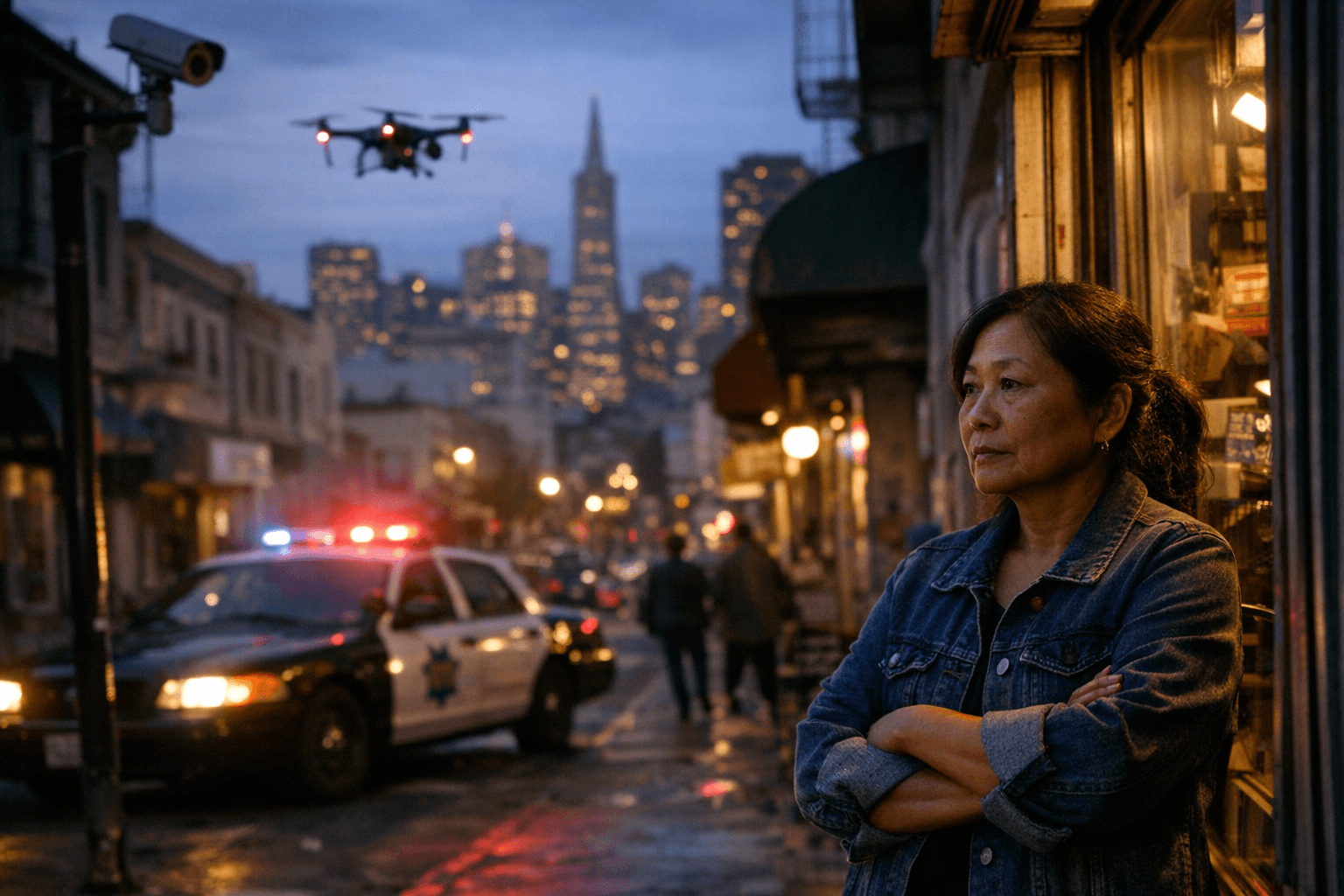
The technology is no longer theoretical. By September 2024, the city had announced a Mobile Security Unit program using camera trailers. An October 2024 drone policy document said Prop E authorized drones for vehicle pursuits and active criminal investigations. By January 2025, SFPD had used drones nearly 1,400 times since 2024, and its fleet had grown from six drones to 63. Police have said the drones were used in plain-clothes operations, search warrants, shootings, illegal vending, fireworks calls and sideshow enforcement, including a more than six-hour mission on Harrison Street near 23rd Street in the Mission District.
Civil liberties groups such as the ACLU of Northern California and the Electronic Frontier Foundation have warned that the tools expand surveillance in public space, especially when paired with live feeds and other sensors. A nearly $9.4 million private donation from Ripple and the San Francisco Police Community Foundation also revived questions about who is funding public policing tools and why.
Analysts have pushed back on the idea that surveillance alone explains the decline. Magnus Lofstrom of the Public Policy Institute of California has said policy changes likely contributed too, alongside stepped-up theft crackdowns, more officers on the street and a tougher stance on crime and drug use under Breed, with that approach continuing under Mayor Daniel Lurie. San Francisco’s drop is real, but the evidence points to a wider shift in enforcement, politics and technology, not one silver bullet.
This article was produced by Prism’s automated news system from verified source data, official records, and press releases, then run through automated quality and moderation checks before publishing. The system is built and supervised by the people who set the standards it runs under. Read our full AI policy.
Did this article answer your question?