Free New Year’s Street Party Draws Focus to Downtown Revival
San Francisco staged its first free New Year’s Day street party on Second Street on December 30, 2025, a five-hour festival that organizers expected would attract more than 20,000 people. City leaders and community groups framed the event as part of broader efforts to revive downtown commerce and reclaim public space, raising questions about public health planning, equitable benefits, and long-term policy support.

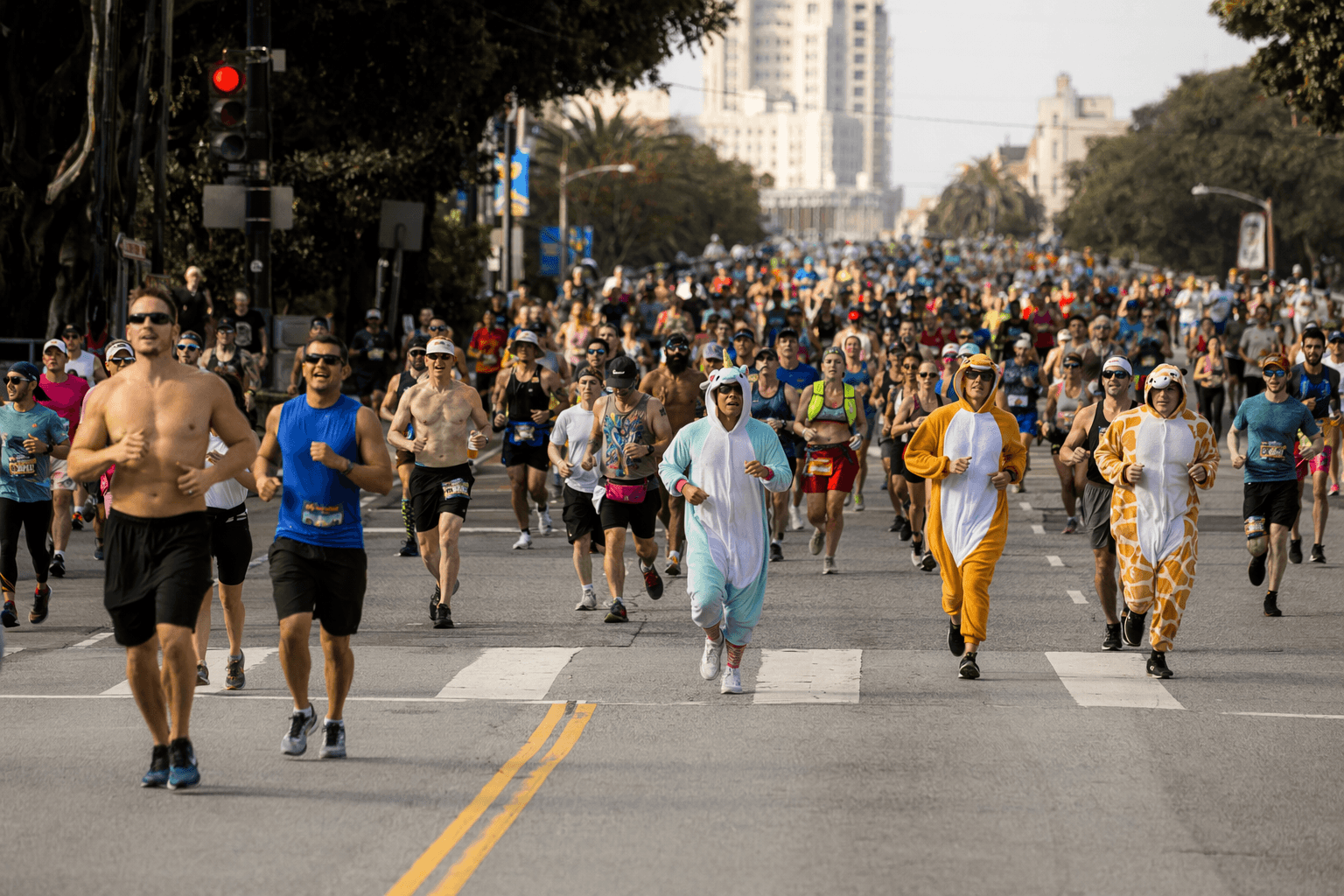
On the evening of December 30, 2025, Second Street between Market and Howard filled with music, vendors and crowds for San Francisco’s first free New Year’s Day street party. The Downtown First Thursdays organizers and the Civic Joy Fund, with support from the Downtown Development Corp. and private donors, produced a festival-style program from 5 to 10 p.m. that included live music, dance lessons, fashion shows, pet pageants and dozens of local food and retail vendors. Organizers expected more than 20,000 attendees for the event.
The event was timed alongside other municipal New Year’s activities and complimentary hours at SFMOMA, part of a coordinated push to bring foot traffic back to the city center and support local businesses. For downtown merchants and independent vendors, the party offered potential short-term sales and visibility. For residents, the free format reduced cost barriers and created a public, family-friendly occasion in a part of the city that has seen uneven recovery since the pandemic.
Large public gatherings like this carry public health and safety implications that city planners must manage. Crowd size can strain transit and sanitation resources and increases the need for on-site medical services, public restrooms and clear messaging about public-safety protocols. The event’s free admission promoted inclusion, but equitable outcomes depend on concrete supports: accessible restroom and seating options, language access, transportation subsidies and outreach to people experiencing homelessness so celebrations do not inadvertently exclude vulnerable populations.
Policy-makers face a balancing act as they use cultural programming to animate public spaces. While short-term events can generate immediate economic activity, sustainable downtown recovery requires ongoing investment in affordable commercial rents, transit reliability, and services that benefit small businesses and residents across income levels. Community advocates have long argued that public-space activation should be paired with anti-displacement measures and workforce supports to ensure benefits reach long-standing local entrepreneurs and low-income residents.
The December 30 gathering offered a proof of concept for large-scale, free public festivals in downtown San Francisco, showing both the potential to restore vibrancy and the need for comprehensive planning. As city officials and civic groups consider repeating and expanding similar events, public health preparedness and equity-focused policies will be central to turning one-night celebrations into inclusive, lasting neighborhood renewal.
Know something we missed? Have a correction or additional information?
Submit a Tip