House committee seeks San Francisco records on ICE cooperation
Congress is demanding years of San Francisco ICE records as sanctuary rules face new federal scrutiny, from jail-release notices to detainer decisions.
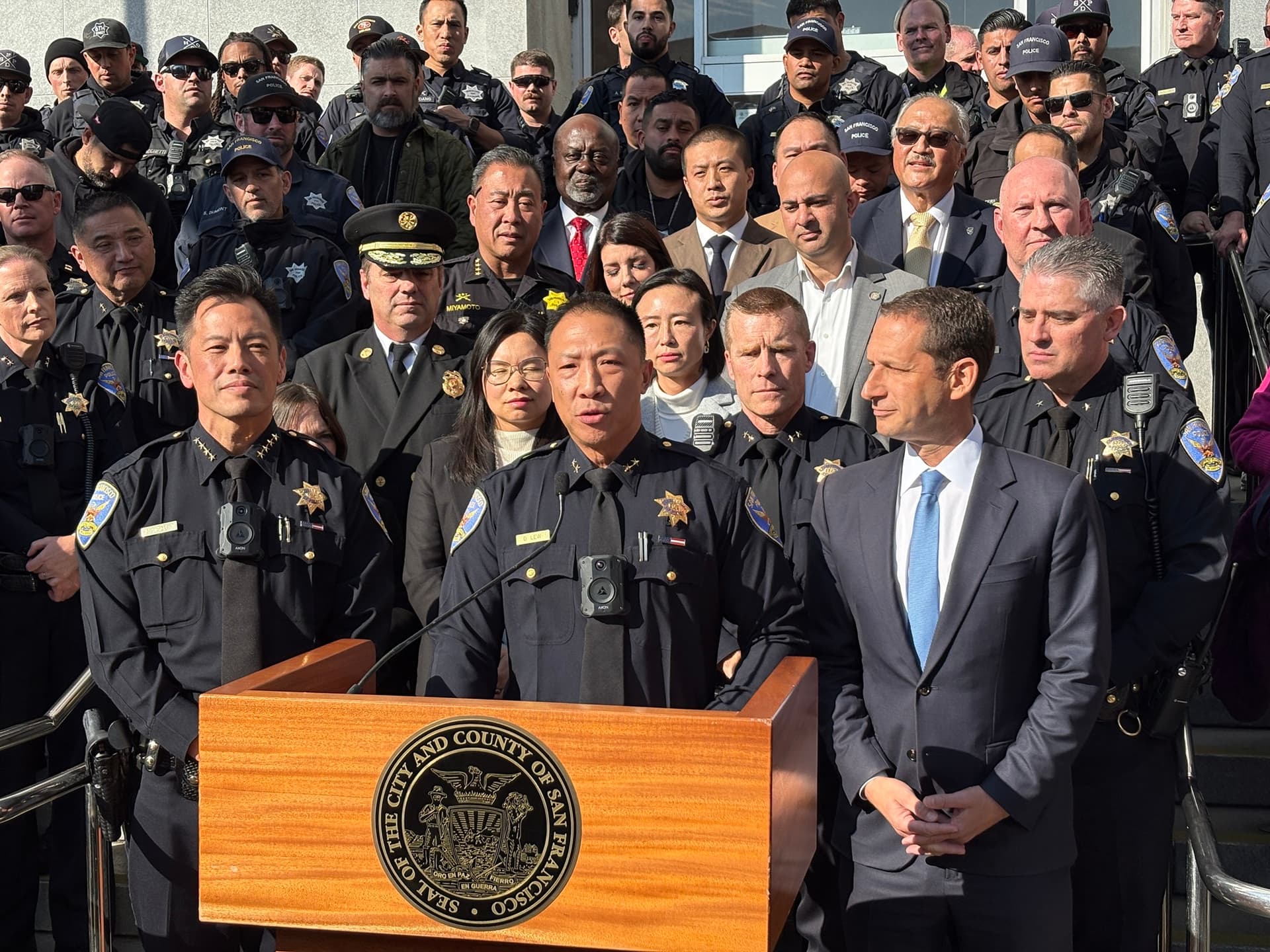
Federal lawmakers are pressing San Francisco for years of records on how city police and the sheriff’s office deal with Immigration and Customs Enforcement, a move that could reach into routine jail releases, detainer decisions and the trust immigrant families place in local officers.
On June 2, 2026, Rep. Tom McClintock joined Reps. Darrell Issa and Jim Jordan in sending letters to Police Chief Derrick Lew and Sheriff Paul Miyamoto on behalf of the House Judiciary Committee. The committee is seeking documents and communications about San Francisco’s interactions with ICE, city policies involving non-U.S. citizens, records of ICE detainer requests and arrests, and the number of detainers received and declined. The sheriff’s office request goes back to 2020, while the police department request reaches to the beginning of 2024.
The inquiry lands in a city that has spent decades building legal barriers around immigration enforcement. San Francisco adopted its City and County of Refuge ordinance in 1989, and the city’s sanctuary guidance says employees generally cannot use city funds or resources to help ICE or share release-status information unless required by law. The city also passed the Due Process for All ordinance in 2013, limiting when local law enforcement may give ICE advance notice before someone is released from jail.
Those limits matter most in day-to-day policing. They shape what can be shared between officers, jail staff and federal immigration agents, and they define how much San Francisco can cooperate without stepping outside local law. City Attorney David Chiu’s office said it is reviewing the inquiry and will respond. City officials have long argued that the sanctuary framework helps people report crimes, talk to investigators and use city services without fear that local contact will lead directly to federal immigration action.

The political stakes in San Francisco are just as local. On January 28, 2025, all 11 members of the Board of Supervisors unanimously reaffirmed the city’s sanctuary ordinance, underscoring continued support at City Hall even as federal scrutiny intensified. In August 2025, the Justice Department listed San Francisco among jurisdictions it said were impeding immigration enforcement, and Chiu said the city had successfully fought similar pressure before.
The House committee’s letters also pointed to a statement attributed to Miyamoto that his office honored only one out of thousands of ICE detention requests, and they raised the claim that sanctuary rules limited federal access to interview David DePape after the October 2022 attack on Paul Pelosi. Meanwhile, immigrant-rights groups have kept up their own pressure. In March 2026, the Free SF Coalition delivered a petition backed by more than 60 organizations and over 1,000 individuals urging Miyamoto to end collaboration with ICE. For San Francisco, the fight now reaches beyond City Hall and into the basic question of whether a resident can walk into a police station or jail and still trust what happens next.
This article was produced by Prism’s automated news system from verified source data, official records, and press releases, then run through automated quality and moderation checks before publishing. The system is built and supervised by the people who set the standards it runs under. Read our full AI policy.
Did this article answer your question?