How to navigate Super Bowl week in San Francisco
Learn what to expect at the Super Bowl Experience at Moscone Center and how street closures and transit will affect Union Square and SoMa.
1. Event overview and schedule
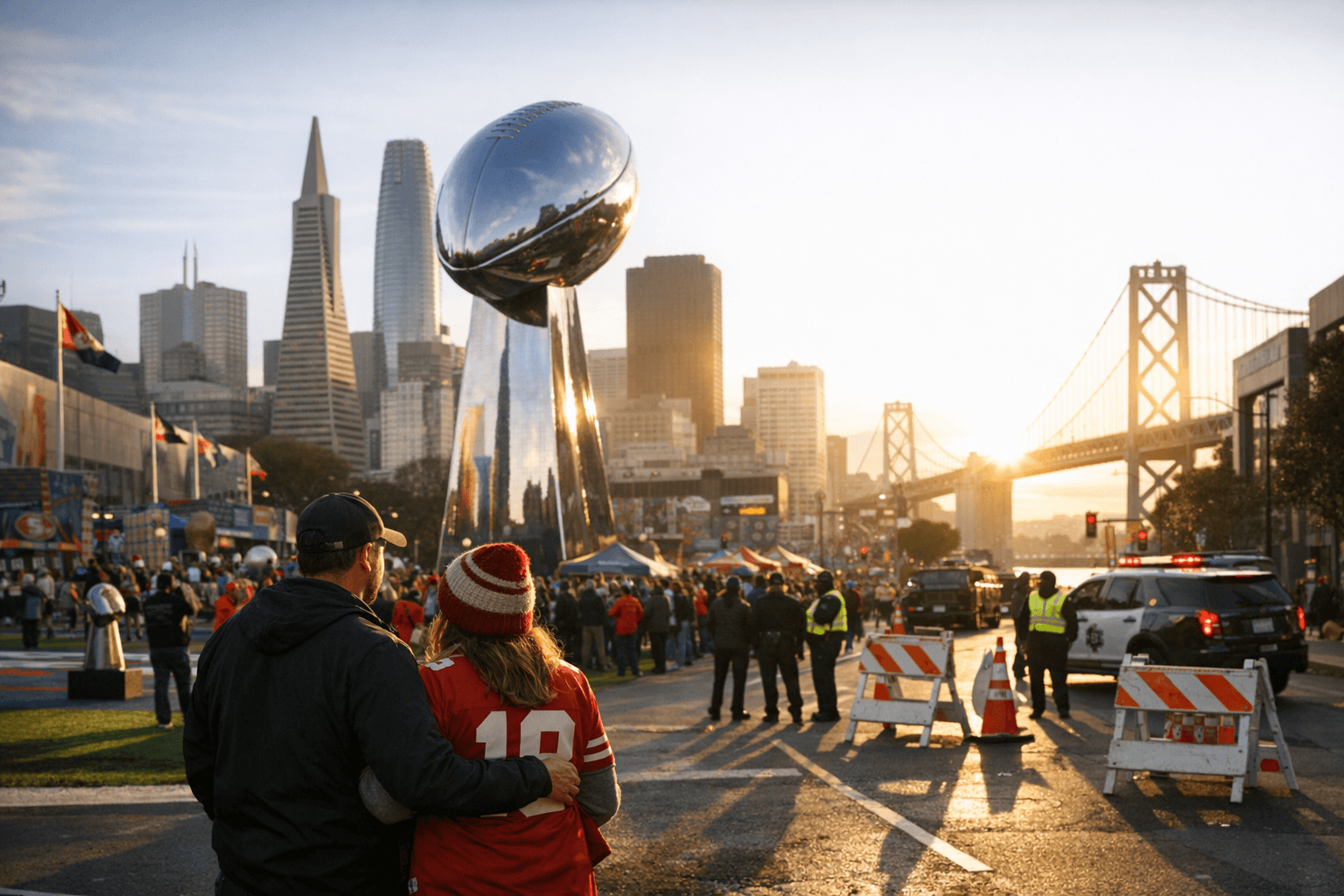
The Super Bowl Experience at Moscone Center runs Feb. 3–7, 2026 and will anchor several fan-facing Pro Bowl events in the city during Super Bowl week. Organizers publish daily hours and programming lists; check the event's official ticketing page before you plan travel because session times and capacity for autograph lines and clinics can change. This week is one of the year’s highest-concentration visitor events, so expect larger-than-normal crowds around Moscone, Union Square, and SoMa throughout the multi-day run.
2. Main attractions and interactive exhibits
Typical exhibits include interactive stations such as a 40-yard dash challenge and virtual reality experiences that simulate on-field play and replays. These attractions are designed for short, high-turnover visits but can form lines during peak hours; plan to arrive early for popular exhibits. Exhibits are family-friendly and generally accessible, but verify any height, age or mobility restrictions on the event site if you or family members need accommodations.
3. Autograph sessions and player appearances
Autograph sessions are scheduled throughout the event and are a major draw for fans; access and times are set by the organizers and ticket type. If you want to meet players, expect queuing and controlled entry procedures, premium ticket packages often include prioritized access while general admission can have long waits. Follow posted rules for lines and security, and keep personal items secure during autograph sessions given the density of attendees.
4. Merchandise and vendor areas
Expect multiple official merchandise booths selling team apparel, limited-edition items and event-branded products inside and near Moscone Center. Merchandise areas are convenient but may be cashless or card-preferred, bring a card or mobile pay option to speed purchases. Local businesses around Union Square and SoMa will also see spillover demand, so plan for longer waits at neighborhood retailers and restaurants.
5. Youth clinics and NFL FLAG programming
Family programming includes youth clinics and NFL FLAG events aimed at introducing young people to organized, non-contact football activities. These clinics typically feature coached drills, skill stations and opportunities to sign up for leagues or local youth teams. If you’re bringing children, register in advance where possible and review age ranges and waiver requirements; clinics help reduce congestion inside general-exhibit spaces and provide structured, active options for kids.
6. Tickets, entry and family-friendly offers
Tickets are the access point for timed sessions, autograph lines and special experiences, purchase only through official ticketing channels to avoid scalpers and fraud. Family-friendly programming may be bundled into specific ticket tiers or offered as free sessions at set times, so check event pages for family discounts and children's schedules. Keep ticket confirmations and ID handy; re-entry policies and bag rules are likely to be strictly enforced for safety and crowd control.
7. Street closures, transit impacts and neighborhood effects
Organizers and city agencies warn to expect street closures and transit impacts concentrated around Union Square and SoMa during event dates, which will change pedestrian and vehicle flows. You should anticipate Muni bus detours, temporary traffic restrictions, and heavier crowds at BART, Caltrain and regional transit hubs, plan extra time or avoid peak ingress/egress windows. Businesses and residents in affected areas should prepare for altered delivery windows, restricted curb access, and increased foot traffic that can strain sidewalks and local services.
8. Practical travel and mobility advice for residents
- Check SFMTA advisories and the event ticketing page the morning of travel for last-minute changes.
- Use timed entries or staggered arrival/departure times to minimize contact with peak crowds.
- Reserve ride-shares or deliveries outside announced closure windows to avoid delays.
If you live or work in Union Square, SoMa, or near Moscone Center, shift non-essential travel to off-peak hours, use alternative neighborhood routes, or work remotely when possible to avoid congestion. Consider these practical steps:
Advance planning reduces friction for residents and helps preserve emergency access routes.
9. City coordination, public communication and accountability
Large-scale events require coordination among the city, transit agencies and private organizers to keep streets safe and services running; you should expect and demand clear public notices listing closures, transit detours and emergency rules. Track SFMTA and San Francisco Emergency Management updates and hold agencies to timely communication standards, clear signage and online advisories are essential for equitable access and neighborhood mitigation. If you encounter problems (chronic delivery blockages, insufficient transit information, or safety lapses), document incidents and contact your district supervisor or city customer service channels so officials can address systemic gaps.
10. Accessibility, safety and neighborhood quality of life
Moscone Center and major event operators generally provide ADA access, designated viewing areas and clear security checkpoints, but those services can be taxed under high attendance. If you or a household member requires special accommodations, contact event organizers before attending to confirm arrangements and arrive early to allow extra time for screening. Residents should also be aware of noise, sanitation and public space pressures during the event and report unresolved issues to city services so public resources can be recalibrated for future large events.
11. Closing guidance you can use
Plan with patience and prioritize verification: confirm tickets and session times, allow extra travel time, and choose off-peak windows for errands or deliveries. Take advantage of youth clinics or family-session scheduling to make the week enjoyable for kids while minimizing time in crowded exhibit lines. When the lights go down, reflect on how event logistics affected neighborhoods and hold public agencies accountable for transparent planning, your feedback matters for improving future large events in San Francisco.
This article was produced by Prism’s automated news system from verified source data, official records, and press releases, then run through automated quality and moderation checks before publishing. The system is built and supervised by the people who set the standards it runs under. Read our full AI policy.
Did this article answer your question?