January 2026 Guide to San Francisco Museum Exhibitions and Events
This local guide summarizes museum exhibitions, closing shows, special free-admission days, and citywide programming across San Francisco as of January 1, 2026. Readers will find which institutions to check first, when San Francisco Art Week runs, and practical tips for planning visits and tracking last-minute schedule changes.
1. Asian Art Museum, current exhibitions and closings
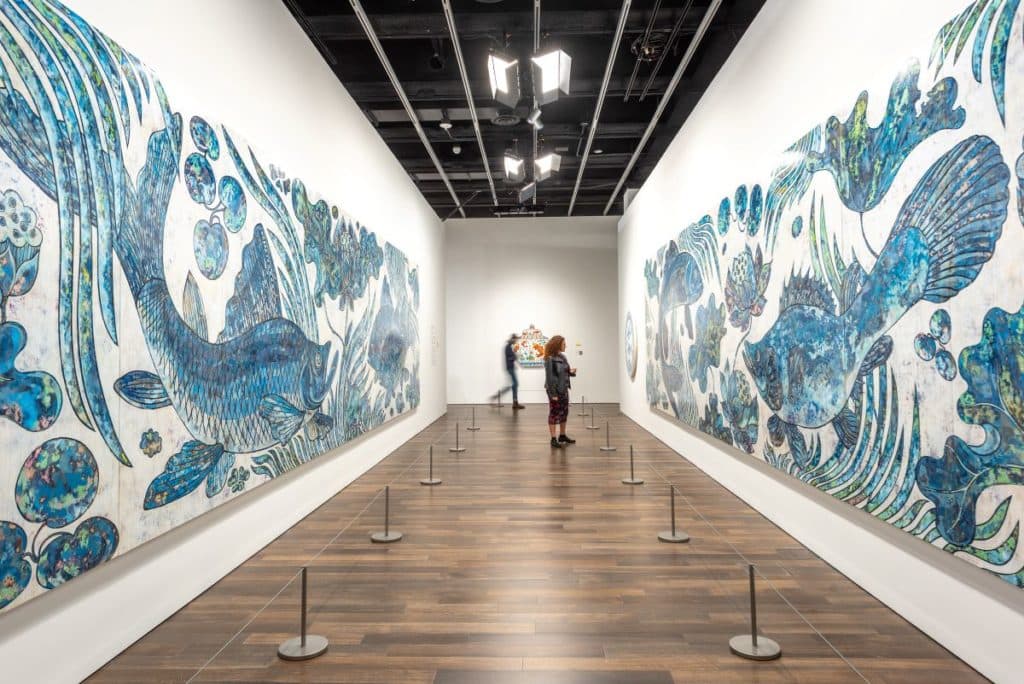
The Asian Art Museum remains a primary destination for rotating exhibitions and its permanent collection, with several temporary shows active or closing in early January 2026. Check the museum’s calendar before you go; temporary exhibitions often have timed-entry tickets or separate fees and can close or move quickly at the start of a new year. Visit asianart.org for the museum’s up-to-date listings, ticketing policies, and any free or reduced-admission days announced for January.
2. Legion of Honor, exhibitions and visitor information
The Legion of Honor, operated by the Fine Arts Museums of San Francisco, combines historic architecture with exhibitions of European and ancient art alongside rotating special displays. Early January can include last-chance viewings of fall and winter exhibitions, so verify closing dates and reservation requirements online. For tickets, hours, and directions, consult famsf.org/visit/legion-of-honor and plan for timed entries that museums commonly use in peak periods.
3. de Young Museum, contemporary shows and collections
The de Young in Golden Gate Park hosts changing exhibitions drawn from international loan programs and the Fine Arts Museums’ collections alongside American art and textile shows. Temporary exhibitions often require advance reservations, and some large-scale shows sell out on weekends; check famsf.org/museums/de-young for the most current listings and any program-specific fees. Note that special installations may have separate viewing rules or capacity limits intended to preserve works and manage crowds.
4. Yerba Buena Center for the Arts, contemporary programs and performances
Yerba Buena Center for the Arts (YBCA) programs contemporary visual art, performance, and community-oriented events that frequently change on a monthly cycle. Early January typically features both ongoing gallery exhibitions and a rotating schedule of talks, screenings, and performances that may have different admission rules than gallery spaces. Confirm event dates, ticketing, and accessibility details at ybca.org before planning travel, and consider signing up for YBCA newsletters for last-minute program announcements.
5. Special free-admission days, how to find and use them
Several San Francisco institutions offer free- or reduced-admission days to expand access, but dates and eligibility vary by museum and exhibition. Always confirm whether free days apply to special exhibitions or only to permanent collections, and whether timed-entry reservations remain required even when admission is waived. Use museum calendars and membership pages to plan: a waived admission does not always guarantee immediate entry, and popular free days can reach capacity quickly.
6. San Francisco Art Week, Jan. 17–25, 2026
San Francisco Art Week runs Jan. 17–25, 2026, bringing gallery openings, museum collaborations, artist talks, and citywide events that concentrate arts activity into a single curated week. Plan around those dates if you want to see special programming, as participating venues may offer extended hours, pop-up events, and ticketed talks that are not available at other times. Visit the official San Francisco Art Week listings (sfartweek.org) and participating venues’ calendars to reserve spots for popular events and guided tours.
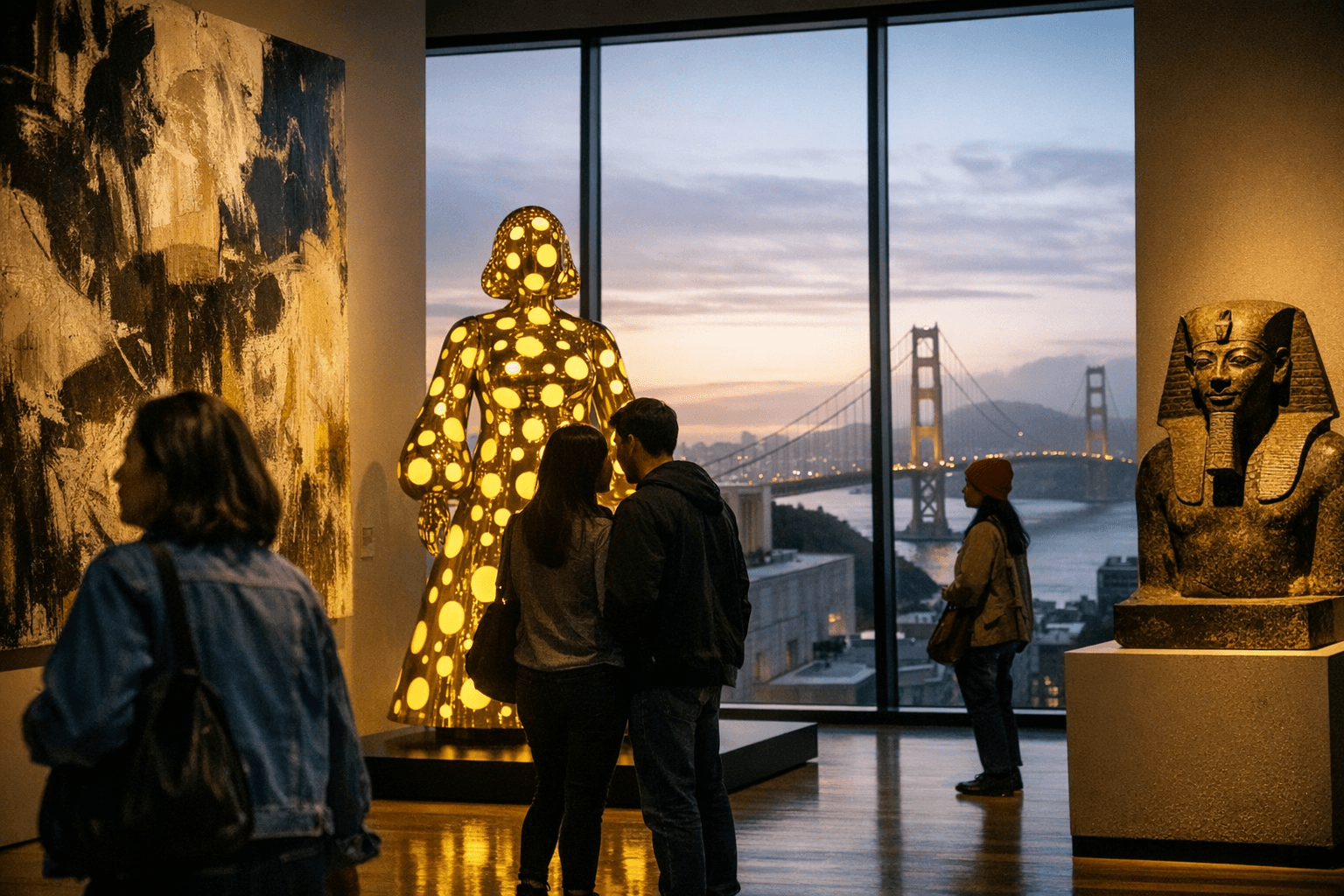
7. Other museums and neighborhood venues to watch
Beyond the institutions named above, neighborhood museums, smaller nonprofit galleries, and cultural centers across San Francisco host rotating exhibitions that can include neighborhood-focused work and community-curated shows. These venues often update their schedules on short notice, and many use social media and email lists to announce openings, artist talks, and closing events. For a comprehensive citywide view, aggregate listings from local outlets and the official event pages of institutions you want to visit.
- Check each venue’s website for timed-entry requirements or capacity limits; even free admission often requires a reservation.
- Arrive early on popular free days and during San Francisco Art Week events to avoid sold-out time slots and crowded galleries.
- Use public transit, bike parking, or ride-hailing to reduce parking stress near major sites; Golden Gate Park venues and downtown museums are served by multiple Muni lines.
- Consider membership if you plan multiple visits, memberships often include priority reservations and early access to special exhibitions.
8. Practical planning tips for January visits
9. Where to find up-to-date listings and links
This guide reflects listings published on January 1, 2026; schedules can change quickly in early January. For the most current information, consult each institution’s official site (Asian Art Museum: asianart.org; Fine Arts Museums/de Young and Legion of Honor: famsf.org; Yerba Buena Center for the Arts: ybca.org) and citywide event listings such as San Francisco Art Week at sfartweek.org. Local coverage, including a consolidated guide published January 1, 2026, is available at missionlocal.org/2026/01/whats-on-now-at-san-francisco-museums-january-2026/ for readers seeking a single-page snapshot.
10. Community significance and civic context
Accessible museum programming, free days, neighborhood partnerships, and inclusive public events, directly affects civic engagement by widening who can participate in cultural life and who sees local histories reflected in public institutions. Residents planning visits can use museum calendars and public programs to hold institutions accountable for accessibility, representation, and clear communication about admission practices. Tracking closures and last-chance exhibitions in early January helps ensure community members do not miss limited-time work and supports informed public dialogue about cultural priorities.
Know something we missed? Have a correction or additional information?
Submit a Tip