KQED ballot guide maps San Francisco’s crowded June primary races
San Franciscans face three big stakes at once: who pays more in taxes, who steers the Sunset, and who inherits Pelosi’s seat in a race that could reshape city power.
What is on the June ballot
San Francisco voters are being asked to settle three different power struggles at once: who pays more in taxes, who speaks for the Sunset, and who replaces Nancy Pelosi in Congress. That makes the June 2, 2026 primary feel less like a routine election and more like a citywide test of what kind of government San Francisco wants to be.
The ballot is large enough to reflect that. City officials say it includes local contests, federal races and local ballot measures, and the Department of Elections has already posted the qualified measures and candidate lists. Every registered voter will automatically receive a vote-by-mail ballot, so the main challenge is not access but sorting through how each choice changes daily life in the city.
The tax fight could decide who pays and what the city can promise
The dueling business-tax measures matter because they are really a fight over who carries the cost of San Francisco’s next chapter. One approach would put more pressure on big business, another would ease pressure on development, and a third tries to split the difference. That is not just a budget question, it is a signal about whether the city wants to lean harder on employers, invite more growth, or strike a compromise between the two.
The backstory goes to July 2023, when Mayor London Breed, Board of Supervisors President Aaron Peskin and Supervisor Rafael Mandelman asked the city’s treasurer, controller and chief economist to review San Francisco’s business tax structure. A 2024 reform proposal followed from the controller and treasurer, and city leaders including Breed and Peskin backed it as part of a broader effort to strengthen the local economy. Voters then approved a larger business-tax compromise that had been negotiated by business and labor, which is why this year’s ballot carries the sense of a second round, not a first draft.
For residents, the stakes are concrete. A more aggressive tax plan could mean more pressure on larger firms and potentially more room for city revenues to support services. A lighter-touch plan could be read as a friendlier message to employers and developers who worry about costs. However the measures land, they will shape the economic message San Francisco sends well beyond City Hall.
The Sunset race is about who has clout in everyday San Francisco
The District 4 supervisor race has special weight because the Sunset is one of the places where the city’s most practical arguments meet every day. Housing, transportation, small business and public safety all collide there, which means the next supervisor will help decide whether neighborhood priorities get more leverage or continue to compete with citywide demands.
That contest has already been framed by a major change in local power. In May 2026, Mayor Daniel Lurie appointed Alan Wong as District 4 supervisor after the seat opened up, putting the Sunset back at the center of City Hall politics. SF.gov lists the June 2 election for Board of Supervisors seats in Districts 2 and 4, but District 4 is the one with the clearest neighborhood identity and the broadest local consequences for the west side.

Who wins matters beyond one district. A new supervisor can shift the balance of the Board of Supervisors on taxes, housing, street conditions and public safety. In a city where every vote on the board can change the tone of development and neighborhood regulation, the Sunset race is also a referendum on whether west-side voters want continuity, a fresh mandate or a different relationship with the mayor.
Pelosi’s seat is now a citywide power contest
The congressional race has opened a different kind of question: what happens to San Francisco’s national identity after Nancy Pelosi. She announced her retirement in November 2025 after 38 years representing the city in Congress, ending the longest modern era of House representation San Francisco has known.
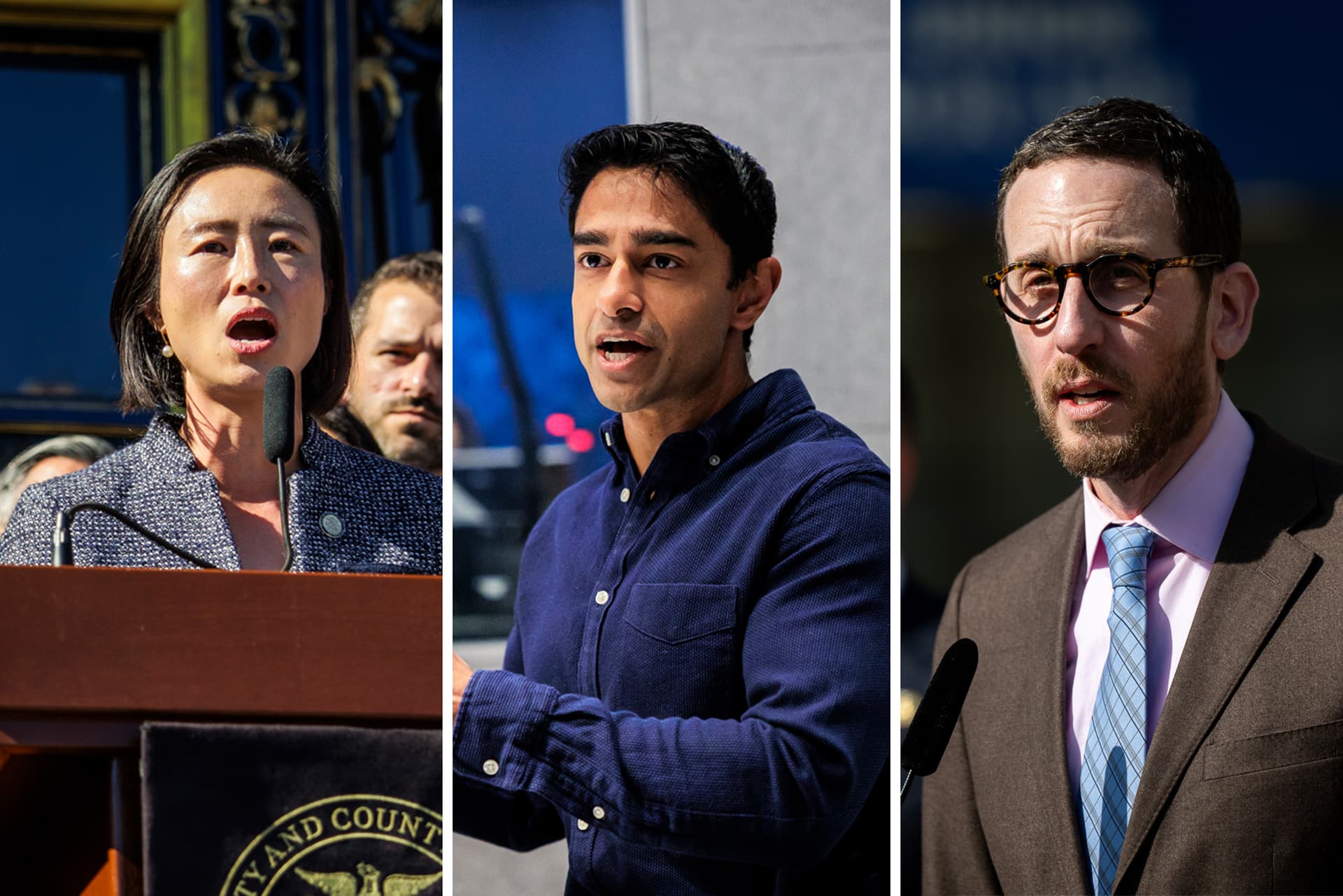
KQED has described the race for the 11th Congressional District as the city’s most spirited congressional contest in decades, and the field already reflects that. Among the early Democratic contenders are state Sen. Scott Wiener, San Francisco Supervisor Connie Chan and former tech worker Saikat Chakrabarti. Under California’s top-two primary system, the two finishers with the most votes in June advance to the November election regardless of party, which means the June ballot may determine the final shape of the race even before the general election begins.
The district itself also matters. It includes all of San Francisco except for a small southeastern section used to balance population, so almost every neighborhood has a stake in who takes Pelosi’s place. That gives the race an unusual reach: it is local enough to feel personal and national enough to shape how the city is seen in Washington.
Why these races are tied together
What makes this ballot especially crowded is that the tax fights, the Sunset race and the Pelosi succession all point to the same larger question: what coalition will define San Francisco next. The city’s business interests, labor blocs, neighborhood voters and progressive activists are not fighting separate battles so much as competing to set the terms of power in the same political ecosystem.
Mayor Lurie has already weighed in on all of it, which underscores how connected these contests are. If the tax measures pass in one direction, the city could signal a harder edge on business and a bigger appetite for revenue. If the Sunset turns over, one neighborhood may gain or lose clout on housing and public safety. If the Pelosi seat goes to one of the early Democratic frontrunners, San Francisco could send a new version of its political identity to Washington, one that will be judged not only by ideology but by how it handles the city’s own economic and neighborhood tensions.
For San Franciscans, the June primary is less about a single headline than about three overlapping decisions: who pays, who governs, and who speaks for the city when Pelosi’s era ends.
This article was produced by Prism’s automated news system from verified source data, official records, and press releases, then run through automated quality and moderation checks before publishing. The system is built and supervised by the people who set the standards it runs under. Read our full AI policy.
Did this article answer your question?