Lurie proposes $16.9 billion budget, boosts police and fire pay
Lurie’s $16.9 billion budget lifted police and fire pay while targeting 550 mostly vacant city jobs. Medi-Cal, CalFresh and immigrant aid also got new funding.
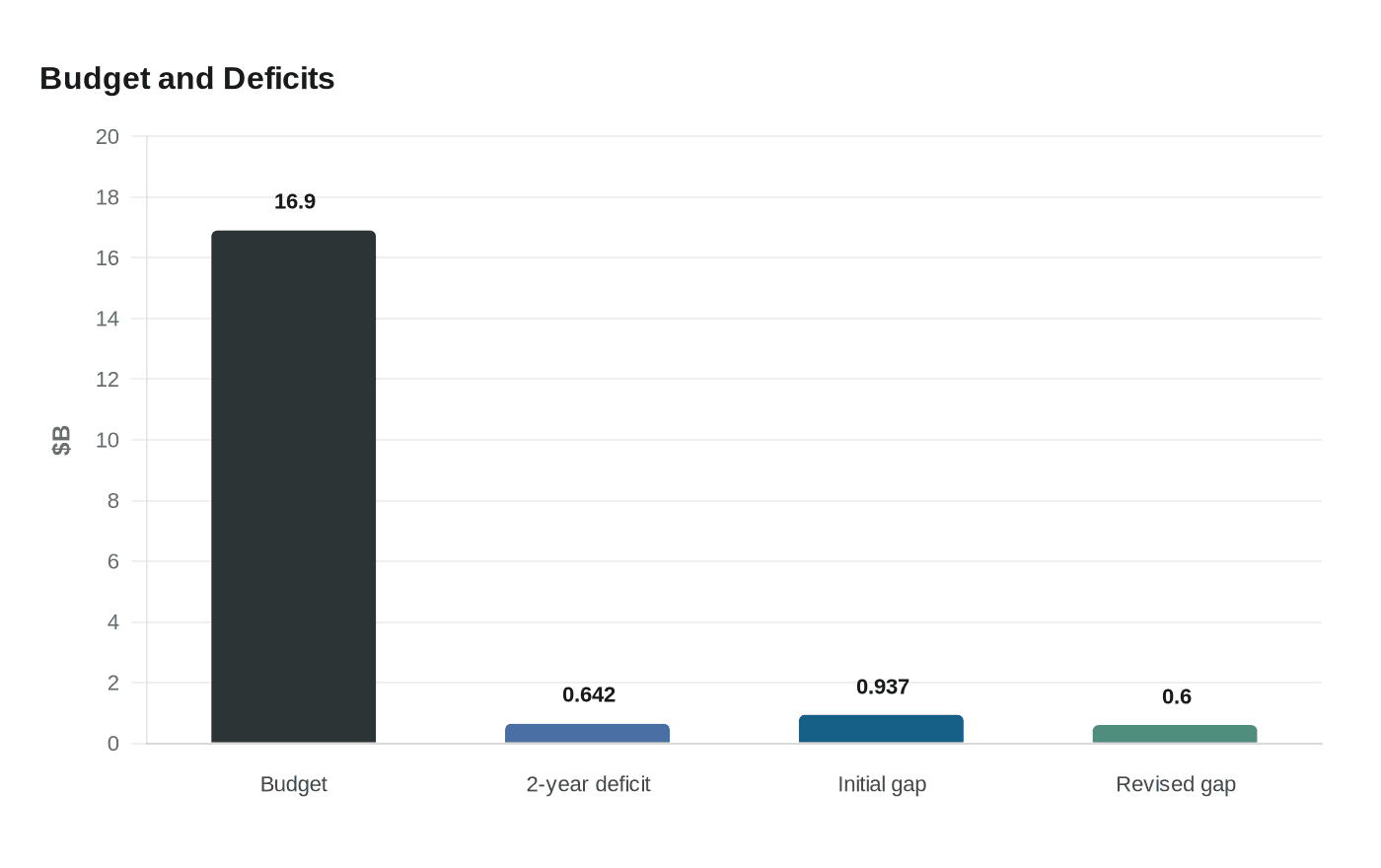
Daniel Lurie proposed a $16.9 billion budget that tried to protect police and fire staffing while forcing San Francisco to live with fewer city positions, fewer grants and tighter spending. The plan for fiscal years 2026-2027 and 2027-2028 closed a $642 million two-year deficit and cut about $300 million from the city’s structural deficit, city officials said, but it did so by eliminating jobs, reorganizing departments and leaning on spending cuts instead of temporary fixes.
The tradeoff was stark at City Hall: the city had already laid off 127 public employees to save $100 million in personnel costs, and the new budget would eliminate 550 positions in all, mostly vacant ones. Nine filled positions could still be cut if the Board of Supervisors approves them. Lurie also warned that if the city delayed action, the structural deficit could swell to $1 billion, leaving even deeper cuts for next year. Final approval is due by Aug. 1.

The budget arrived after months of worsening deficit estimates. The San Francisco Controller’s Office had first projected a $936.6 million gap over two years, then lowered it in May to about $600 million after hotel revenue improved and hiring freezes took hold. Lurie’s office framed the proposal as a shift toward preserving public safety and the social safety net at the same time, even as Axios reported that it would also consolidate city functions and cut millions in grants to nonprofit providers.
For San Franciscans, the most immediate impact is likely to show up in the places where city help is most visible. The budget set aside $34 million from the state and federal emergency reserve to help residents stay enrolled in Medi-Cal and CalFresh, and it included $1.8 million in one-time funding for immigrant families while keeping immigrant legal services in place. That matters for households that rely on San Francisco Human Services Agency offices and for immigrant communities that have been bracing for federal cuts.
Lurie’s office said crime was down nearly 30% in his first year and unsheltered homelessness had fallen to its lowest level in 15 years, two figures that he used to argue the city could protect core services while tightening its belt. The broader pitch was that San Francisco’s recovery, marked by rising Muni and BART ridership, lower office vacancy and more foot traffic downtown, gave the city room to make the hard choices now rather than wait for a bigger crisis later.
This article was produced by Prism’s automated news system from verified source data, official records, and press releases, then run through automated quality and moderation checks before publishing. The system is built and supervised by the people who set the standards it runs under. Read our full AI policy.
Did this article answer your question?