Muni funding measure clears ballot hurdle with 18,000 signatures
Daniel Lurie helped deliver 18,469 signatures for a Muni parcel tax that would cost most single-family homes about $129 a year and help cover a deep transit deficit.

San Francisco’s Muni rescue plan cleared its first political test at City Hall, where Mayor Daniel Lurie and Stronger Muni for All leaders delivered 18,469 signatures, enough to put the parcel tax before voters on the November 2026 ballot. The count was far above the roughly 8,000 needed, turning a petition drive into a full-scale campaign over how much riders, homeowners and tenants should pay to keep the transit system running.
The measure would levy an annual parcel tax on real property for 15 years, beginning July 1, 2027, and ending June 30, 2042. Campaign materials and later San Francisco Municipal Transportation Agency documents put the revenue at about $160 million a year, while SFMTA said the tax would generate roughly $150 million annually to reduce the deficit and another $10 million for service quality improvements. Most single-family homes would pay about $129 a year, and some rent-controlled tenants could see up to $65 in annual pass-through costs.
Those costs are being weighed against a transit system that is still climbing out of the pandemic. SFMTA said Muni carried 164 million passenger trips in 2025, a gain of 6 million from 2024, but weekday recovery in October 2025 was still only 77 percent and weekend recovery was 92 percent. In budget documents, the agency said its two-year plan closed an immediate shortfall of $307 million in the first year starting July 1, 2026, and $344 million in the second year. A February 2026 presentation put the structural deficit at about $320 million in FY26-27 and $350 million in FY27-28, and earlier agency materials warned the gap could reach about $322 million by July 2026 if new revenue did not materialize.
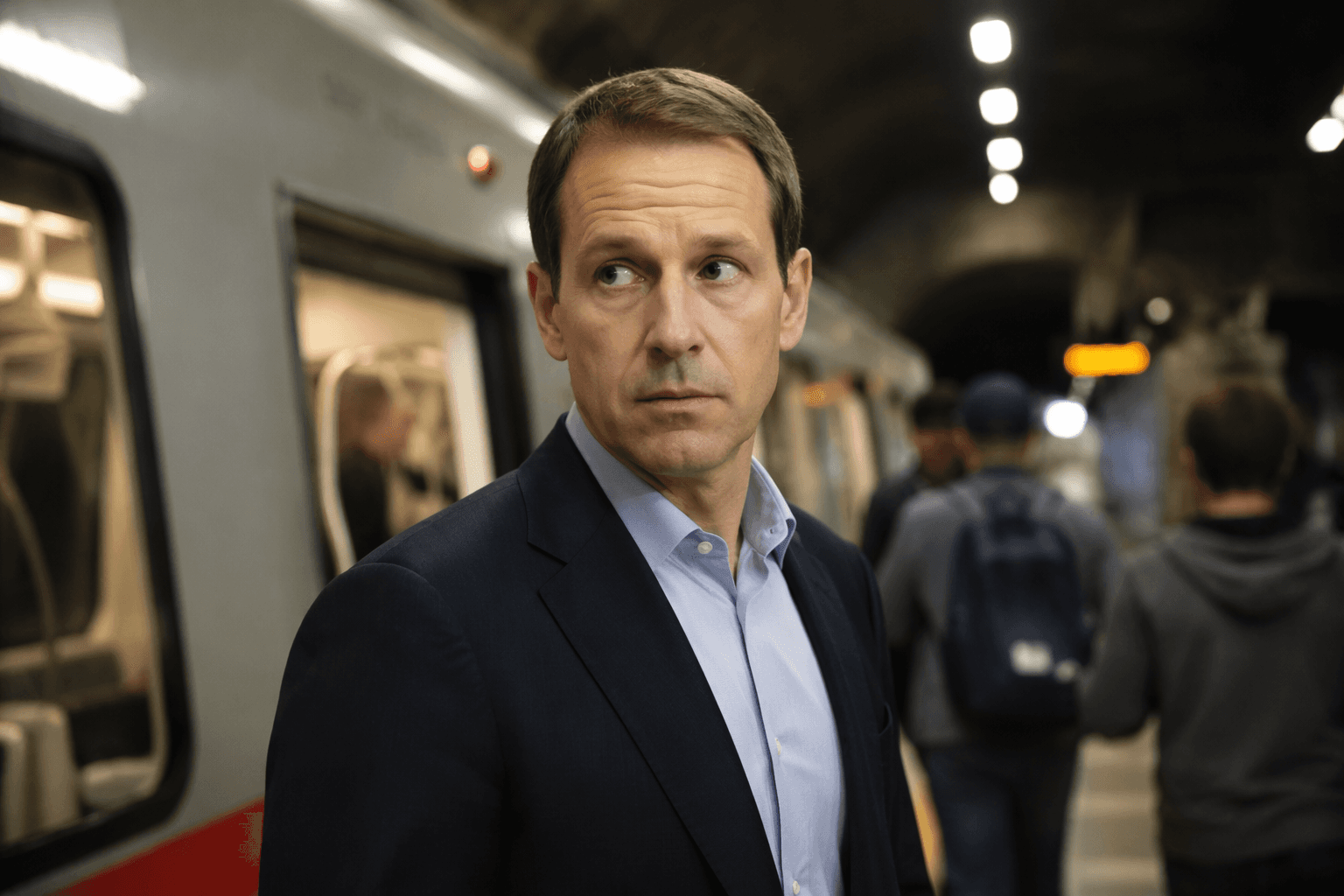
Backers are presenting the parcel tax as a civic insurance policy for buses, trains and the neighborhoods that depend on them. The coalition includes Lurie, San Francisco Chamber of Commerce president Rodney Fong, Teamsters Local 665 principal officer Tony Delorio, several supervisors and transit advocates, an unusual mix of labor, business and City Hall support for a tax proposal. The campaign also comes as state law SB 63, the Connect Bay Area Act, authorized a separate regional transit sales tax measure for the same November ballot, another sign that Muni’s future now depends on multiple funding fights at once.
For San Francisco voters, the measure is less about an abstract budget line than the daily price of a bus that shows up on time, a train that does not get cut, and a system that can keep people moving from the Mission to downtown and out toward the Sunset without another round of service pain.
This article was produced by Prism’s automated news system from verified source data, official records, and press releases, then run through automated quality and moderation checks before publishing. The system is built and supervised by the people who set the standards it runs under. Read our full AI policy.
Did this article answer your question?