New Flu Strain Detected Early February; San Francisco County Virus Levels Rise
Public-health monitoring detected rising circulation of H3N2 subclade K in early February 2026, and San Francisco County virus levels have climbed to a seasonal high.
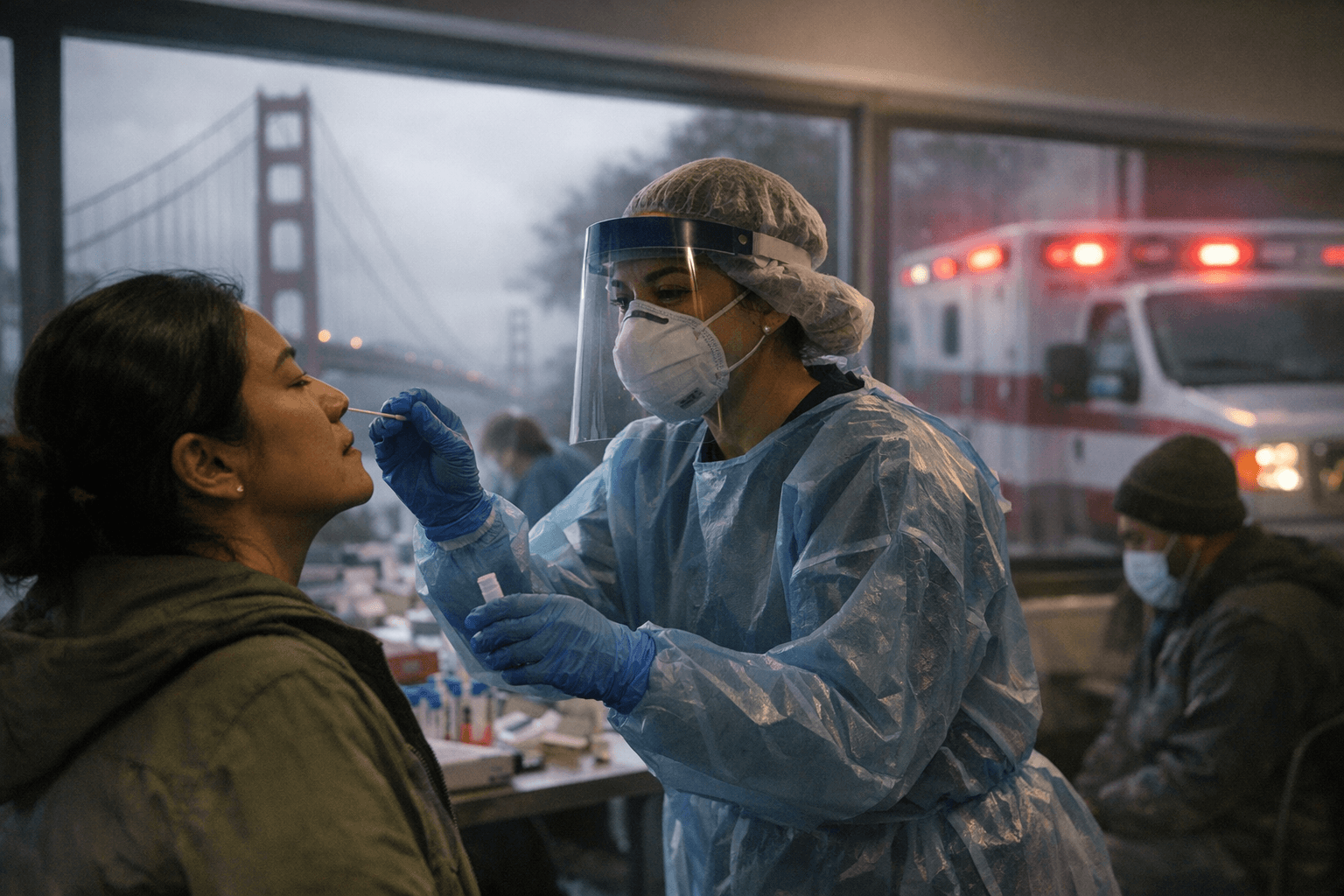
Public-health monitoring in the Bay Area detected a rising circulation of a new influenza strain in early February 2026, and local virus levels in San Francisco County have climbed to a seasonal high, state reports and regional surveillance show. The strain identified is H3N2, subclade K, which state public-health analysts say is driving outbreaks across much of California and has prompted warnings that clinics and hospitals could see increased visits.
The California Department of Public Health's latest report on Jan. 16 warned that "Influenza's rate of spread 'is elevated in California ... due to the new flu strain,'" and wastewater analyses used by state surveillance indicate the worst outbreak running along the coast from north of the Bay Area to Los Angeles, with moderate spread from the Sacramento Valley to the Mexican border. In local terms, transmission is described as high in the Bay Area even as early February monitoring noted rising circulation.
Virologists and state analysts say H3N2 subclade K differs enough from prior H3N2 viruses to blunt this season's vaccine match. Public reporting states, "H3N2 has been around for decades… However, the new mutation is different enough from previous strains - used to make this year’s seasonal flu vaccine - to make the flu shot less potent," while other international estimates cited by regional reporters indicate seasonal influenza vaccines still reduce the risk of severe illness and hospitalization in children and adults.
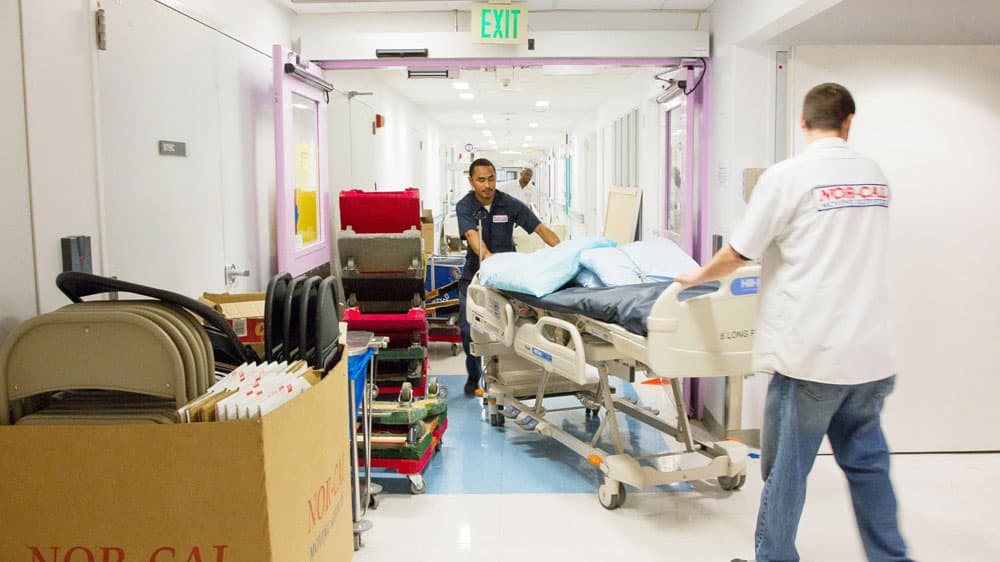
Hospitals and emergency departments are already feeling pressure. A state report cited in regional coverage said, "Hospital admission rates and emergency department visits are going up." Local clinicians echo caution: Rakesh Chaudhary, physician-in-chief at Kaiser Permanente’s Santa Clara Medical Center, said, "I don’t think we’re out of the woods yet." Stanford infectious-disease professor Yvonne Maldonado added, "You really never know why the virus acts like it does," and warned that "No flu year is a good flu year, and we know every year will be a flu year."
Children appear especially affected. State reporting and regional coverage note that more children are testing positive for influenza this season, and two children have died, including one in San Mateo County. Regional mortality figures cited state data showing 177 deaths from flu and its complications between July and Jan. 30 compared with 561 at the same point last year; those figures and the Jan. 30 endpoint require verification from the underlying state dataset.
Respiratory syncytial virus is circulating at elevated levels alongside influenza. State public-health officials reported that "Respiratory syncytial virus (RSV) case numbers are 'elevated in California. More children and older adults are being hospitalized,'" and the agency recommended that anyone who qualifies get an RSV shot.
Public-health advice being reinforced by hospitals and state officials includes vaccination where possible, handwashing, and masks in crowded settings; clinicians are urging these steps while noting the current vaccine may be less potent against subclade K but can still provide protection against serious outcomes. Social media captured on a community Facebook post recorded 46 reactions, 54 comments and 11 shares, with residents offering mitigation tips such as handwashing, masks and home hygiene, and some unverified treatment claims circulating, for example, a commenter referenced Tamiflu efficacy as a personal claim rather than an official recommendation.
Gaps remain in publicly available details: the Jan. 16 CDPH report and wastewater surveillance note elevated spread, but explicit county-level case counts, hospitalization numbers by age, sequencing totals for subclade K, and the year tied to the Jan. 30 mortality comparison were not provided in the public excerpts reviewed. Public-health officers in San Francisco County and at the California Department of Public Health are the appropriate points for updated case counts, hospitalization data, sequencing confirmation of H3N2 subclade K, and current guidance on antivirals and RSV shot eligibility.
This article was produced by Prism’s automated news system from verified source data, official records, and press releases, then run through automated quality and moderation checks before publishing. The system is built and supervised by the people who set the standards it runs under. Read our full AI policy.
Did this article answer your question?