New pancreatic cancer trial data presented at ASCO GI San Francisco
Alligator Bioscience is presenting final efficacy results from its Phase 1b/2 OPTIMIZE-1 trial combining mitazalimab with mFOLFIRINOX at the ASCO Gastrointestinal Cancers Symposium in San Francisco. Local residents will learn what the presentation means for Bay Area clinicians, patients, and the region’s biotech and clinical research community, and how to follow developments from the meeting.
1. Alligator Bioscience presentation at ASCO Gastrointestinal Cancers Symposium
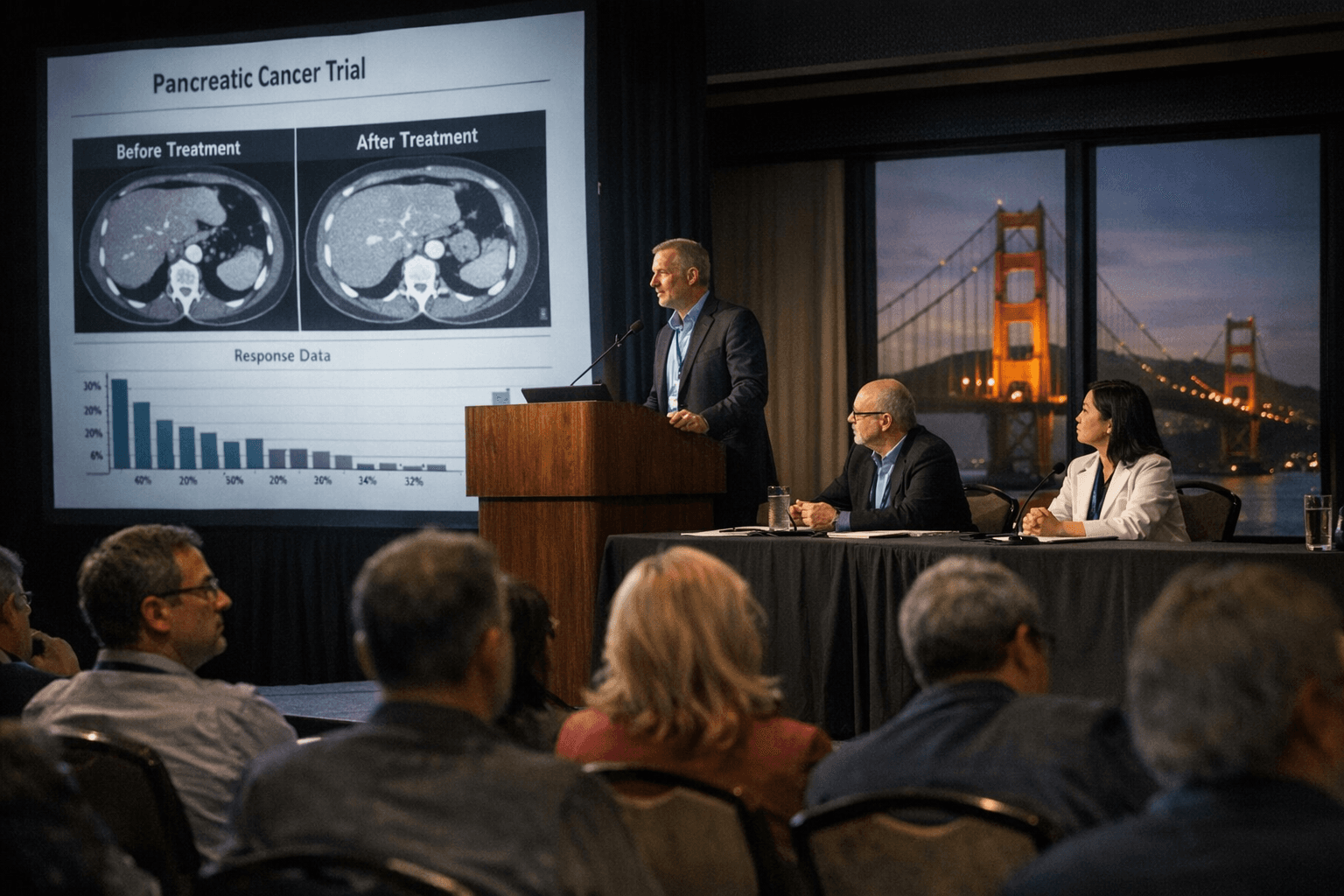
Alligator Bioscience scheduled a presentation of new data from its OPTIMIZE-1 trial at the ASCO Gastrointestinal Cancers Symposium being held in San Francisco (Jan. 8–11, 2026). The company listed the presentation as abstract #708 and slated it for Friday, Jan. 9, making this a focal point for regional attention among oncology professionals attending the meeting. For San Francisco, a high-profile presentation like this brings national attention to the local medical and research community and concentrates expert discussion on pancreatic cancer here.
2. What the OPTIMIZE-1 trial is testing
The OPTIMIZE-1 trial is a Phase 1b/2 study that evaluated the combination of the investigational agent mitazalimab with the chemotherapy regimen mFOLFIRINOX in people with metastatic pancreatic ductal adenocarcinoma. Phase 1b/2 designs generally assess safety, tolerability, and initial measures of efficacy, so the “final efficacy analysis” the company is presenting represents a key readout in the trial’s planned evaluations. Local clinicians and researchers will be watching for details on response rates, duration of benefit, and safety signals that could inform future studies or practice.
3. What mFOLFIRINOX means in practice
mFOLFIRINOX is a modified form of the multi-drug chemotherapy regimen FOLFIRINOX that is commonly used for advanced pancreatic cancer; it combines drugs that target rapidly dividing cancer cells and is one of the standard systemic therapies for metastatic disease. Combining an investigational agent with mFOLFIRINOX aims to boost effectiveness beyond chemotherapy alone, but also raises important questions about added side effects and tolerability. San Francisco oncologists who treat pancreatic cancer will evaluate whether any incremental benefit warrants changes to local treatment approaches or enrollment in future trials.
4. Why a “final efficacy analysis” matters but requires context
A final efficacy analysis in a Phase 1b/2 study is an important milestone because it summarizes how patients fared on the investigational combination across predefined endpoints. However, such results do not equate to regulatory approval or an immediate change in standard care, additional larger, randomized trials are typically required to confirm findings. Residents should understand that the presentation signals scientific progress and will inform expert discussion among clinicians and advisors at the meeting, but it is one step in a longer clinical development pathway.
5. The local clinical and research community’s opportunity to engage
Alligator Bioscience said it intends to discuss the data with clinicians and advisors at the meeting, creating opportunities for San Francisco-based oncologists, clinical investigators, and academic centers to evaluate the findings firsthand. That in-person exchange can accelerate trial collaborations, investigator-initiated studies, or local participation in follow-up trials at sites such as UCSF and other Bay Area hospitals. For the local research ecosystem, these conversations can influence which trials open locally and how patients are referred.
6. Economic and reputational impact for San Francisco
Hosting a major oncology symposium and seeing industry presentations increases demand for local services, hotels, conference venues, and restaurants, and reinforces San Francisco’s reputation as a hub for biomedical convenings. Beyond the short-term economic boost, the meeting helps keep Bay Area institutions in the center of clinical trial dialogue, which can attract research funding, talent, and industry partnerships to the county. That broader activity supports jobs and innovation in the local biotech sector.
7. What this could mean for patients in San Francisco County
For patients with metastatic pancreatic cancer in San Francisco County, findings from OPTIMIZE-1 could translate into new trial opportunities or inform therapeutic options down the line, but immediate changes to standard treatment are unlikely without confirmatory studies. If follow-up trials are planned, local patients may have earlier access through regional trial sites; you should discuss trial eligibility with your oncology team if you are interested. Equity in trial enrollment and transportation or financial barriers remain practical concerns for ensuring local patients can participate.
8. How to follow the presentation and get reliable updates
If you want to track the outcome of the ASCO GI presentation, follow updates from local cancer centers (for example, hospital oncology news pages), official meeting abstracts posted by the ASCO symposium, and clinicaltrials.gov for protocol changes or new trial openings. Local media coverage and hospital communications will often summarize implications in accessible terms after the presentation; attending public sessions or webinars hosted by local hospitals can also provide direct expert interpretation. Keep in mind that press summaries may lag the scientific poster or talk, and full peer-reviewed publications usually appear later.
9. Responsible expectations and next steps
It’s important to temper excitement with scientific caution: Phase 1b/2 efficacy signals require confirmation in randomized trials and regulatory review before becoming standard care. Local clinicians and patient advocates will scrutinize safety data, subgroup responses, and how benefits compare to existing therapies. The discussions Alligator Bioscience plans to have with clinicians and advisors at the symposium are a normal and necessary part of moving promising research toward broader evaluation, and they will shape whether and how the Bay Area participates in next-stage studies.
This article was produced by Prism’s automated news system from verified source data, official records, and press releases, then run through automated quality and moderation checks before publishing. The system is built and supervised by the people who set the standards it runs under. Read our full AI policy.
Did this article answer your question?