Ninth Circuit lets exonerated man’s suit against SF police proceed
A 32-year wrongful prisoner can keep suing San Francisco police, after a Ninth Circuit panel said jurors could find inspectors coerced the witness who sent him to prison.

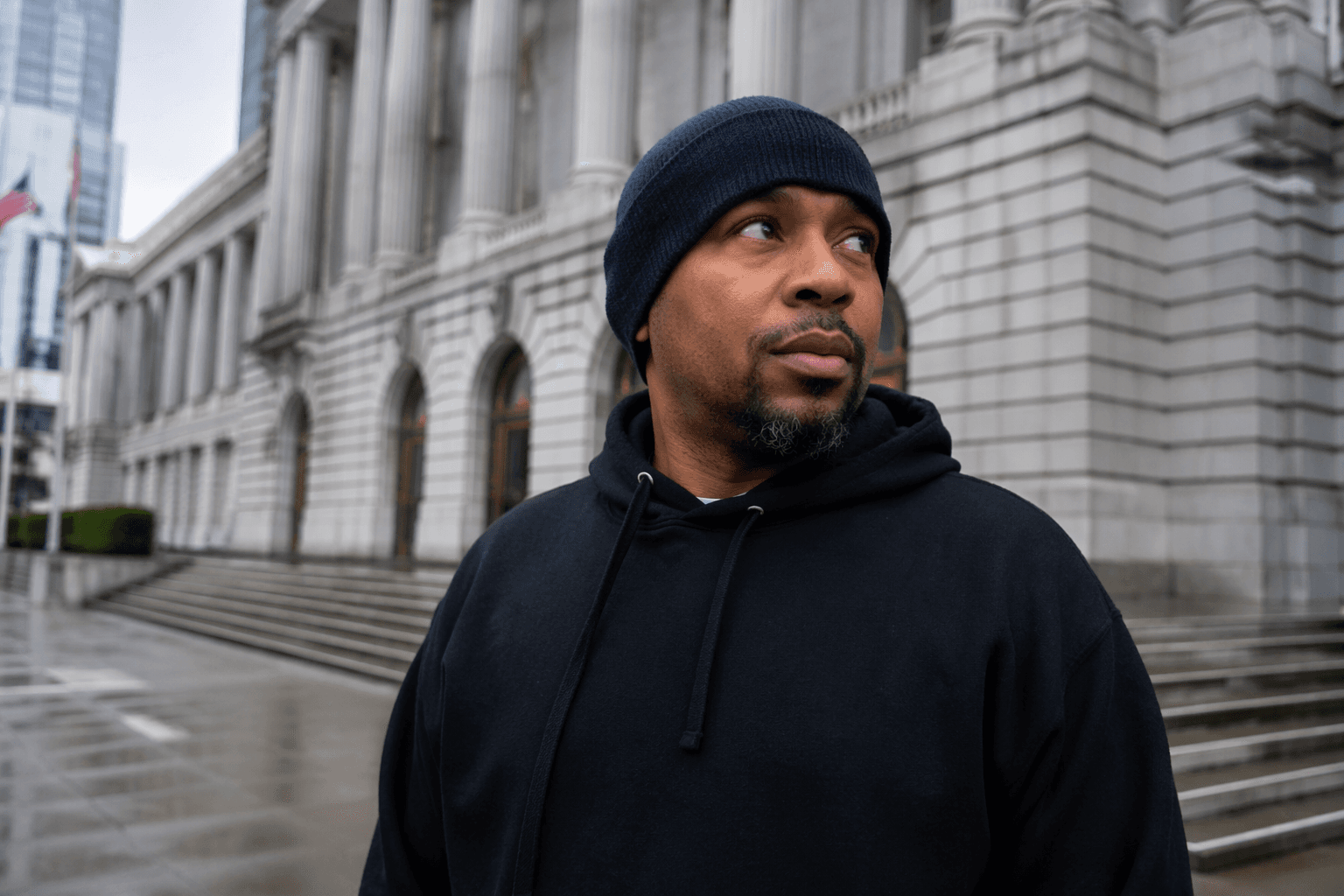
A man who lost 32 years to a murder conviction San Francisco later threw out can now keep pressing claims that city police helped put him there. In a June 5 opinion, a Ninth Circuit panel said Joaquin Ciria may proceed with his federal civil-rights lawsuit against two San Francisco police inspectors, keeping alive a case that could expose the city to damages for a long-hidden investigative failure.
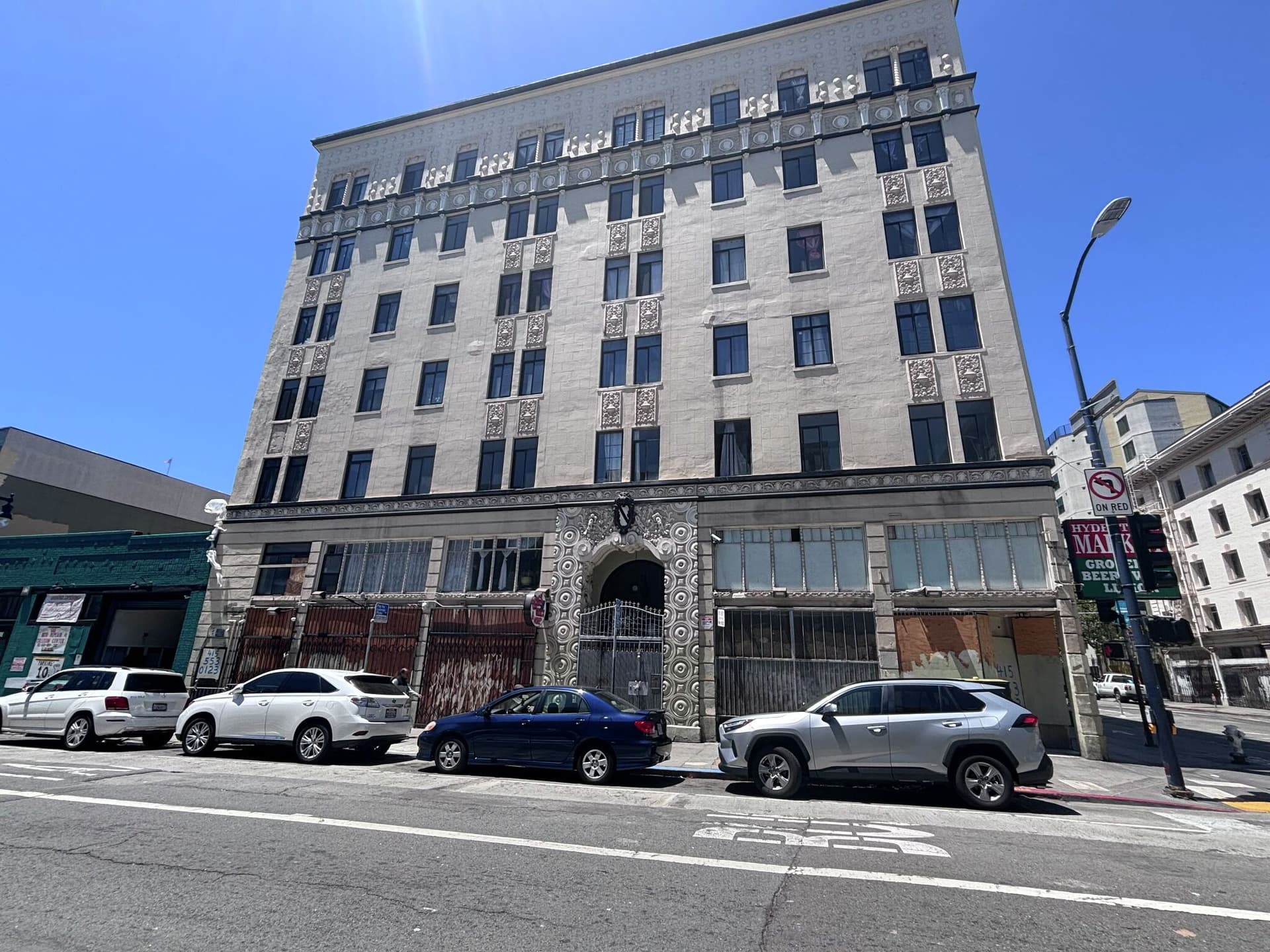
Ciria was convicted in 1991 of the March 25, 1990 killing of Felix Bastarrica outside the Bay Bridge Hotel in South of Market and sentenced to 31 years to life. He was exonerated on April 18, 2022, when San Francisco Superior Court Judge Brendan Conroy overturned the conviction and the San Francisco District Attorney’s Office dismissed the case after review by the office’s Innocence Commission, with support from the Northern California Innocence Project and attorney Ellen Eggers. The review concluded Ciria was factually innocent and said no physical evidence tied him to the shooting.
The appellate panel affirmed Magistrate Judge Kandis A. Westmore’s refusal to grant qualified immunity to San Francisco Police Department inspectors James Crowley and Arthur Gerrans. Ciria’s lawsuit, filed in federal court in 2022, alleges fabrication of evidence and malicious prosecution under 42 U.S.C. § 1983. The court said a reasonable jury could find the inspectors used coercive interrogation tactics against George Varela, including threatening him with an adult murder charge and offering him a story that would spare him if he implicated Ciria.
Varela, described as the getaway driver, initially told police Ciria was innocent, then later testified against him in exchange for complete immunity. The Innocence Commission said Varela later admitted to Ciria’s family members and a family friend that his trial testimony was false. The commission also reported that an eyewitness imprisoned on an unrelated case came forward in 2020 and said he saw Candido Diaz arguing with Bastarrica and watched Diaz leave in Varela’s car after the shooting.
The suit argues that Ciria’s conviction was not an isolated mistake but the product of unconstitutional investigative policies and a failure by the city and police department to train or stop misconduct. It also points to at least five Black men falsely convicted in San Francisco in 1990 and 1991 in cases marked by fabricated evidence, tainted identifications, or improperly incentivized testimony. Ciria’s family, including his son Pedro and former partner Yojana Paiz, has said the city should answer for more than three decades of wrongful imprisonment.
The ruling does not end the fight. The city can still seek rehearing before the full Ninth Circuit and later ask the U.S. Supreme Court to review the case, but the June 5 decision keeps the focus on how a San Francisco murder case built on false testimony survived for so long.
This article was produced by Prism’s automated news system from verified source data, official records, and press releases, then run through automated quality and moderation checks before publishing. The system is built and supervised by the people who set the standards it runs under. Read our full AI policy.
Know something we missed? Have a correction or additional information?
Submit a Tip