Police urged people to avoid downtown intersection after protest near Transamerica Pyramid
Police urged people to avoid Washington and Sansome after a late-afternoon protest on Jan. 9; downtown commuters and workers faced restricted movement in the Financial District.
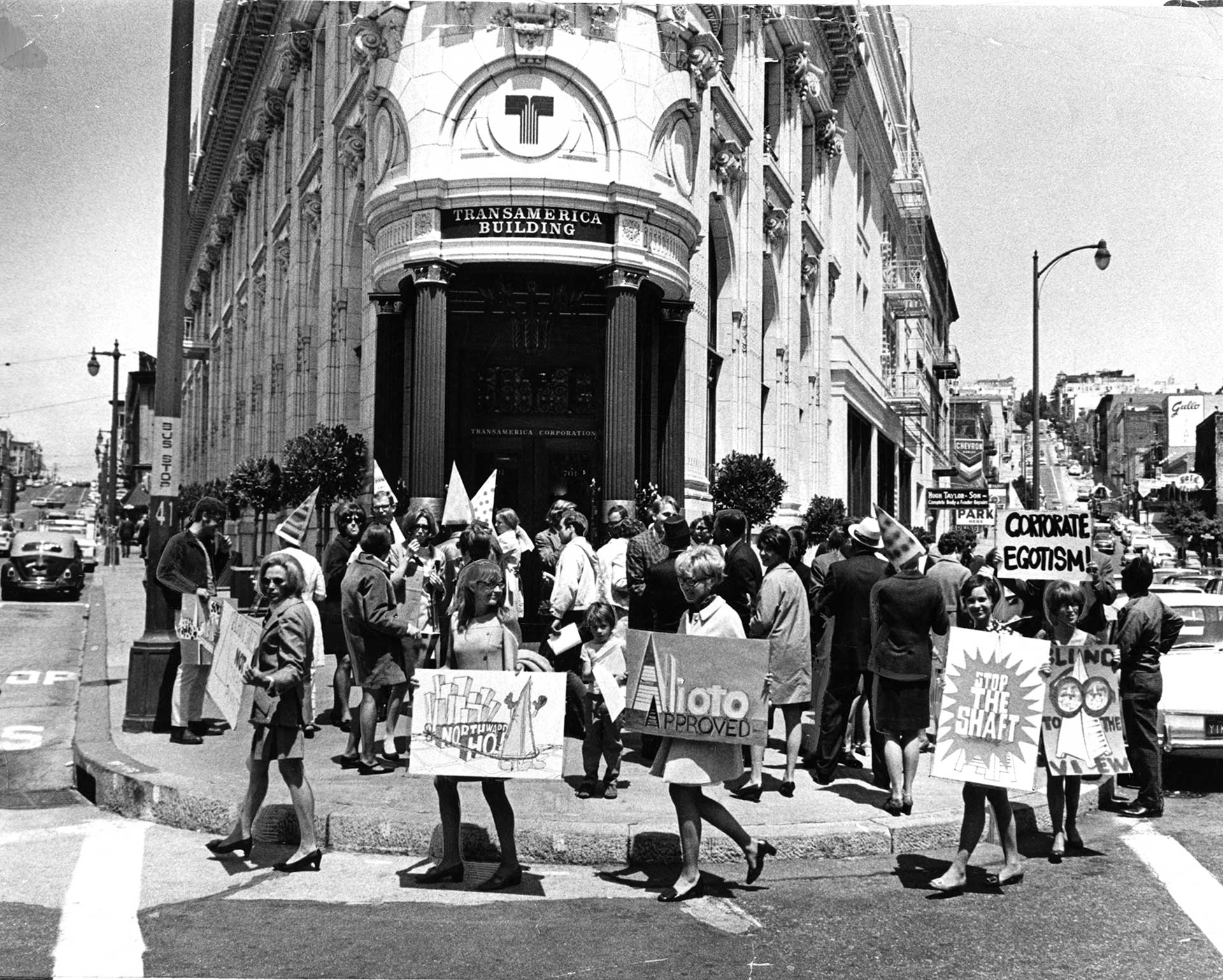
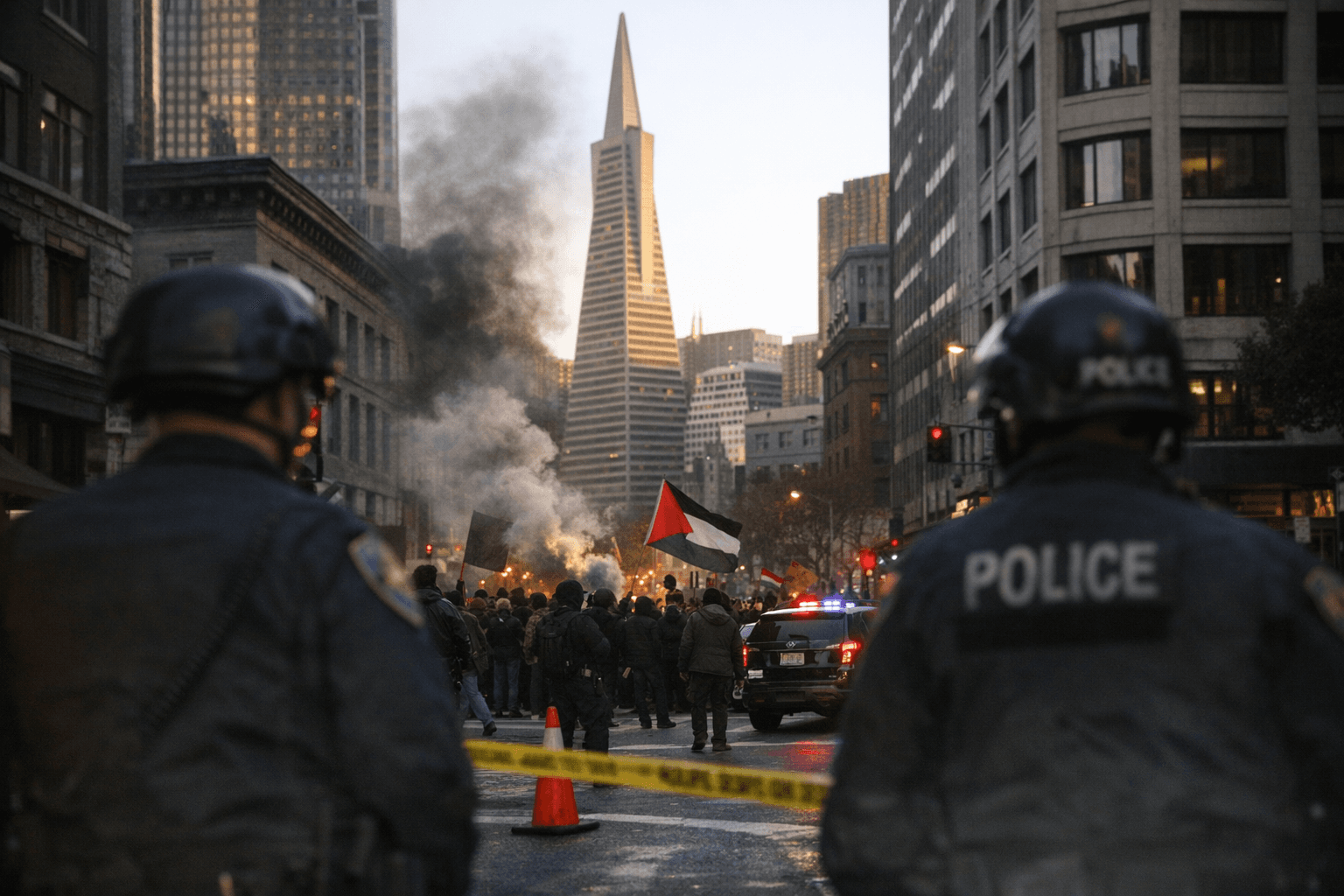
San Francisco police urged people to avoid the area around Washington and Sansome Streets near the Transamerica Pyramid after a late-afternoon protest on Jan. 9 drew a police response. Emergency crews were on scene and movement through the Financial District was temporarily restricted as authorities monitored the demonstration and managed public safety.
City officials provided limited details while responding to the scene, leaving many downtown workers and commuters to navigate sudden detours during the evening commute. The closure affected pedestrian and vehicle flow on key arteries that normally carry office workers, hospitality staff and transit riders to and from BART, Muni and surface streets. For people whose livelihoods require being downtown - from service workers to retail staff - even a short-lived disruption can mean lost wages or missed appointments.
Public health implications extended beyond traffic congestion. Crowded sidewalks and transit transfers can heighten risks for respiratory illness transmission, and restricted street access can complicate timely trips to clinics or pharmacies for people with chronic conditions. Emergency responders staged nearby, but any street closures that delay ambulance or mobile-medical teams or that redirect people away from clinics tend to disproportionally affect older adults, people with disabilities and those with limited ability to absorb missed work or medical appointments.
The event also highlighted the recurring tension between civic expression and how policing of public demonstrations unfolds in San Francisco. Heavy law enforcement presence in commercial corridors can create cascading effects for people experiencing homelessness, day laborers, and low-income residents who rely on accessible downtown services. Community advocates have long argued that management of public safety should center de-escalation and equitable access to care and transport, especially when protests arise from systemic concerns.
For downtown residents and workers, the practical takeaway is to stay informed through official city and transit channels when planning commutes, and to build time buffers for medical and work appointments during periods of civic activity. Employers and clinic operators serving the Financial District should also consider contingency plans to accommodate staff and patients affected by sudden street closures.
As San Francisco continues to host public demonstrations, city agencies face ongoing challenges balancing public safety, the right to protest and equitable access to health services and economic opportunity. Residents can expect the city to adjust responses as needed, and should monitor SFPD and transit advisories for updates when similar events occur.
This article was produced by Prism’s automated news system from verified source data, official records, and press releases, then run through automated quality and moderation checks before publishing. The system is built and supervised by the people who set the standards it runs under. Read our full AI policy.
Did this article answer your question?