Rainy New Year Drenches Bay Area, Tests City Preparedness
Meteorologists reported a soggy start to 2026 across the Bay Area, with rain on New Year’s Eve and showers continuing through New Year’s Day and into the following week. While the wet conditions did not deter large crowds from attending fireworks and public celebrations, the forecast and timing of heavier rain in the days ahead raise practical questions about infrastructure resilience and public safety for San Francisco County residents.
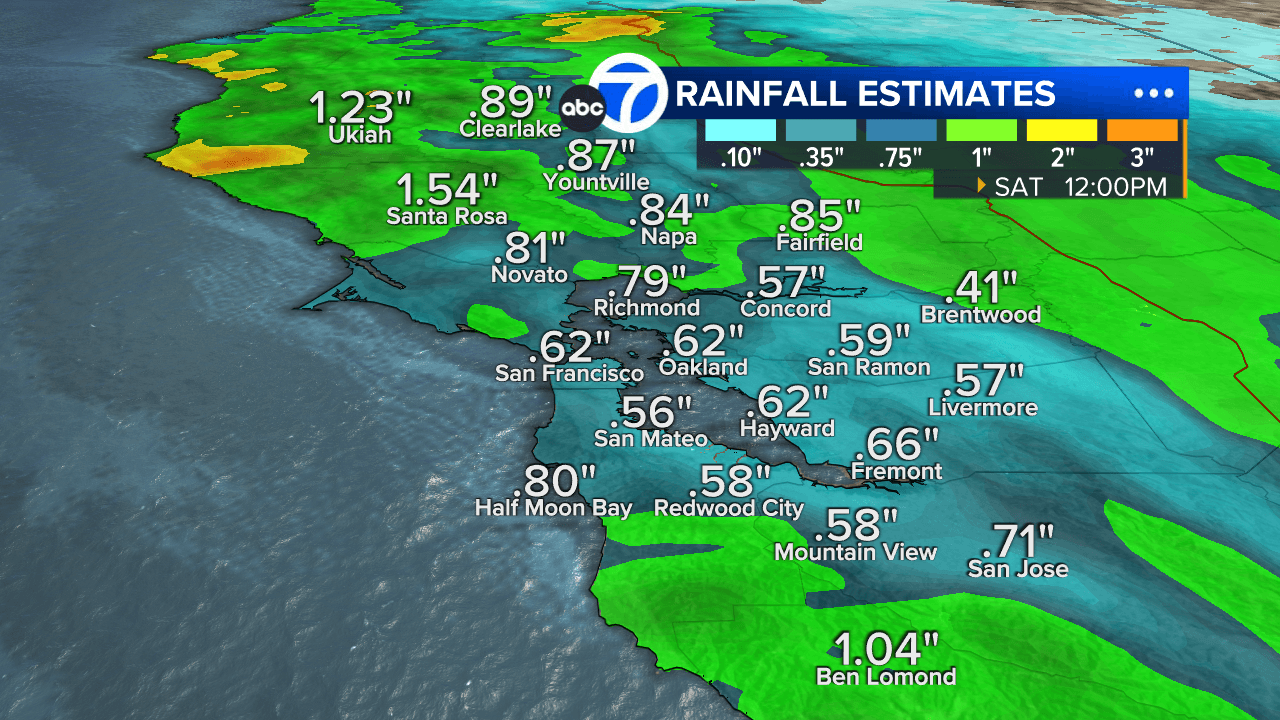
Meteorologists recorded rain across the Bay Area on New Year’s Eve and forecast additional showers through New Year’s Day and the rest of the first week of 2026. Forecasters called for scattered rain chances and cool temperatures, with morning readings in the upper 40s and 50s and highs reaching the low 60s in some areas by evening. A heavier rain threat was projected for late in the following weekend, with 0.5 to 1.25 inches possible in parts of the North Bay.
The precipitation altered conditions for drivers and residents in the short term. Wet pavement and cooler temperatures affected travel times and required heightened caution on city streets and regional roadways. Officials issued timing and impact guidance for residents and motorists, emphasizing that showers would be intermittent but could produce heavier downpours in localized areas later in the week.
Despite the damp weather, large crowds still gathered for fireworks and public celebrations across the region. That turnout highlights two competing dynamics for city officials and event organizers: strong civic engagement in public festivities and the operational challenge of managing large gatherings when conditions are inclement. The combination of heavy attendance and wet weather places additional emphasis on crowd control, emergency access routes, and communication with the public about changing conditions.
For San Francisco County the episode underscores policy and institutional considerations. Recurrent early-season storms test stormwater infrastructure, street drainage maintenance, and the coordination among municipal agencies responsible for public safety and transportation. When forecasts show the potential for concentrated rainfall in nearby counties, city leaders must balance routine maintenance schedules with surge preparedness and clear public messaging to minimize disruptions.

The timing of storms in early January also carries implications for civic processes. Weather can influence turnout for community meetings, volunteer emergency response efforts, and any local civic activities scheduled in the weeks after the holiday. City and county officials responsible for outreach and services will need to account for weather-related barriers when planning events and communicating with residents.
Residents are advised to monitor local forecasts and official alerts as conditions evolve and to plan travel with extra time for wet roads. The wet start to 2026 is a reminder for elected officials and administrators to review preparedness measures and ensure infrastructure and communications systems are ready for heavy rain events as the winter season continues.
This article was produced by Prism’s automated news system from verified source data, official records, and press releases, then run through automated quality and moderation checks before publishing. The system is built and supervised by the people who set the standards it runs under. Read our full AI policy.
Did this article answer your question?