Richmond District pizza owner hit by soaring PG&E bills and outage losses
A Richmond pizza shop owner saw his PG&E bill jump to $2,800 after a three-day outage left up to $15,000 in spoiled food, reviving San Francisco's public-power fight.
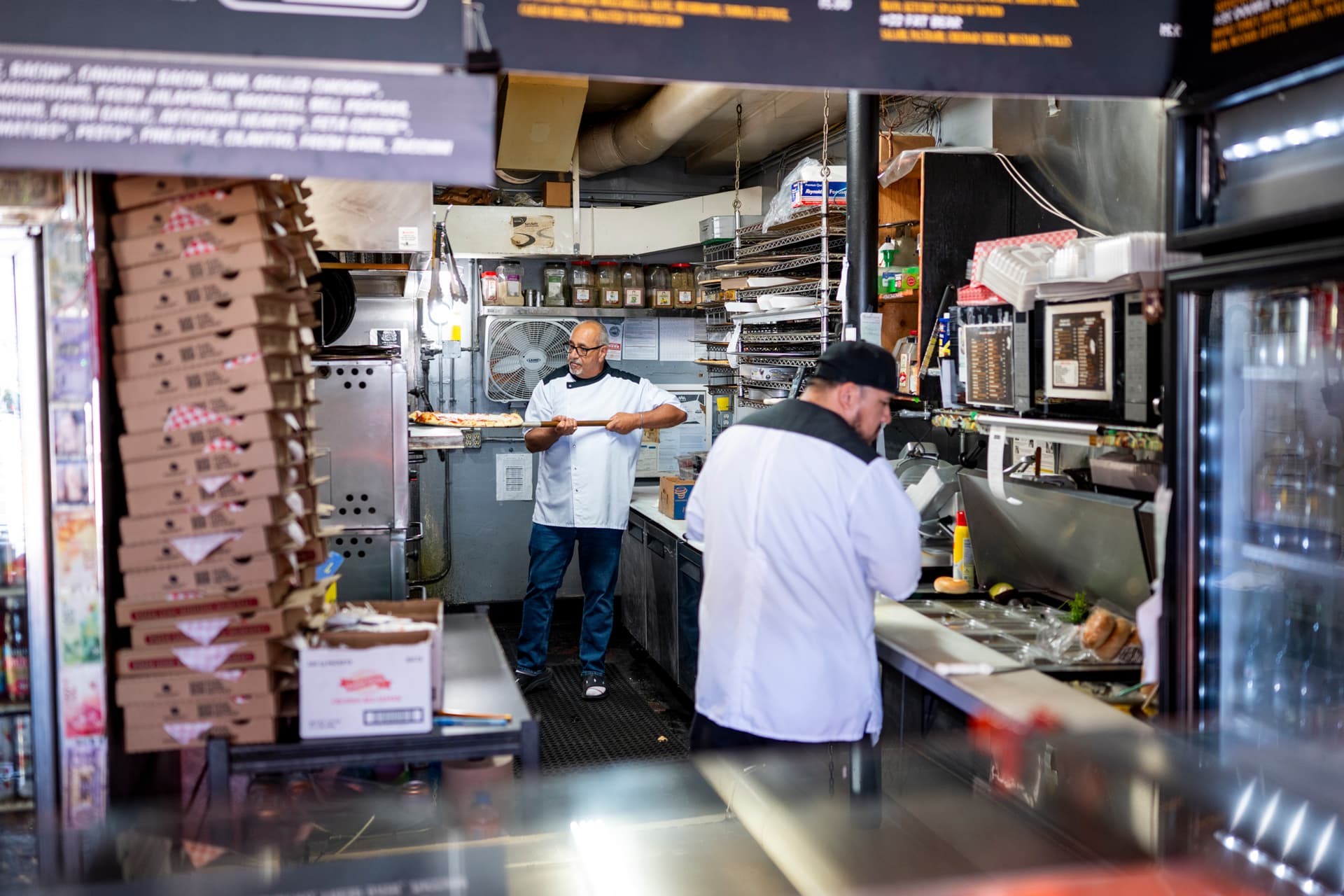
Joe Dabit’s Pizza Joint in the Richmond District has long been a lunch stop for students from George Washington High School, who line up for bargain slices. Now the shop owner says PG&E is threatening the math that keeps a small neighborhood restaurant alive.
Dabit says his electric bill, once around $1,000 to $1,200 a month, recently hit $2,800. That kind of jump, he said, is not just an accounting headache. It changes what it costs to keep the ovens hot, the lights on and the business open in a neighborhood where every extra expense matters.
The pain got worse after a December PG&E substation fire cut power in the area for three days. Dabit said the outage left him with an estimated $10,000 to $15,000 in spoiled ingredients and lost inventory, a hit that went far beyond the monthly utility bill. He said PG&E first offered him just $2,500, an amount that barely covered a normal electric bill, and that he only got a better result after threatening to hire a lawyer.

His experience has become a local example of why San Francisco’s century-old effort to break away from PG&E keeps resurfacing. The city has been trying to leave the utility for about 100 years, and the latest push is being framed around the same everyday frustrations that hit Dabit’s shop: outages, high bills and safety concerns tied to the private grid.
The Board of Supervisors recently reaffirmed its commitment to public power, and the city has quietly been working on the issue for about five years. Supporters of a city-run utility argue that repeated outages and soaring costs make the case for a public system stronger than ever, while PG&E says a takeover would push local electricity rates higher for decades.
San Francisco has been here before. A major early-2000s attempt to take over the utility failed at the ballot box amid spending concerns, doubts about whether the city could run a utility and a heavy campaign by PG&E. What looks different now is the political path: the city may not need voter approval in the same way it did then, giving officials a possible route around the obstacles that stopped earlier efforts.
For Dabit, the debate is less about infrastructure theory than whether a neighborhood business can survive the next outage, the next bill and the next round of damage from a utility system that has already cost him thousands.
This article was produced by Prism’s automated news system from verified source data, official records, and press releases, then run through automated quality and moderation checks before publishing. The system is built and supervised by the people who set the standards it runs under. Read our full AI policy.
Did this article answer your question?