Right-Sized City-Backed Sunset Night Market Returns With Four Holiday Nights
Sunset Night Market returns in a smaller, city-backed format with four holiday nights beginning Feb. 27, 2026, to support neighborhood small businesses and reduce past street closures.
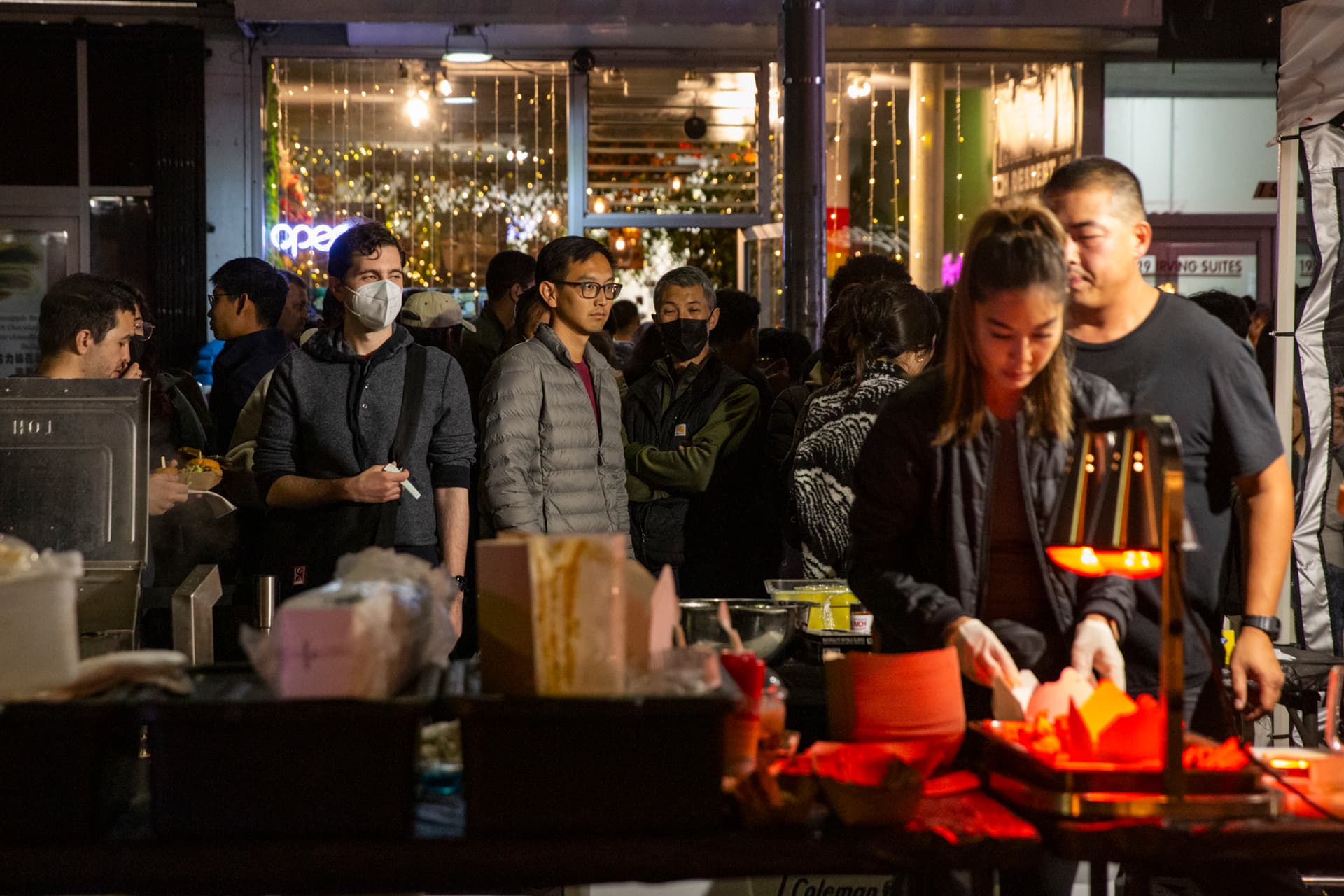
The Sunset Night Market will resume in a reduced, "right-sized" form for 2026, with organizers scheduling four evenings tied to Chinese holidays beginning with a Lunar New Year–themed night on Feb. 27, 2026. The new slate shrinks the market’s footprint compared with the larger 2024 edition and is being funded through city grants and nonprofit support after funding and sustainability challenges forced earlier pauses.
Organizers framed the change as a way to preserve the market’s role as a late-night economic engine for the Sunset while limiting the neighborhood disruptions that accompanied extensive street closures in prior years. The market drew large crowds in earlier runs, which boosted foot traffic for adjacent restaurants and vendors but also prompted complaints about traffic, delivery access, and residential disturbance during multi-block closures. The 2026 plan seeks a balance: concentrated, holiday-focused nights intended to channel demand to neighborhood small businesses without the prolonged street impacts of a full-season festival.
From a municipal finance perspective, city grant backing signals an explicit public policy choice to subsidize local micro-enterprise activity and night-time commerce. Targeted public funding and nonprofit partnership can reduce the event’s operating risk while increasing predictability for merchants who rely on concentrated spikes in sales during market nights. For independent restaurateurs and immigrant-owned food vendors in the Sunset, even a handful of high-attendance evenings can materially affect cash flow during a slow winter season.
The smaller footprint also has traffic and operational implications. Narrower site plans typically lower costs for sanitation, security, and permitting and shorten the duration of street closures, which reduces negative externalities for nearby residents and businesses that need daytime access. Reduced scale may limit visitor capacity, but proponents argue this will encourage repeat, local patronage over one-off destination crowds.
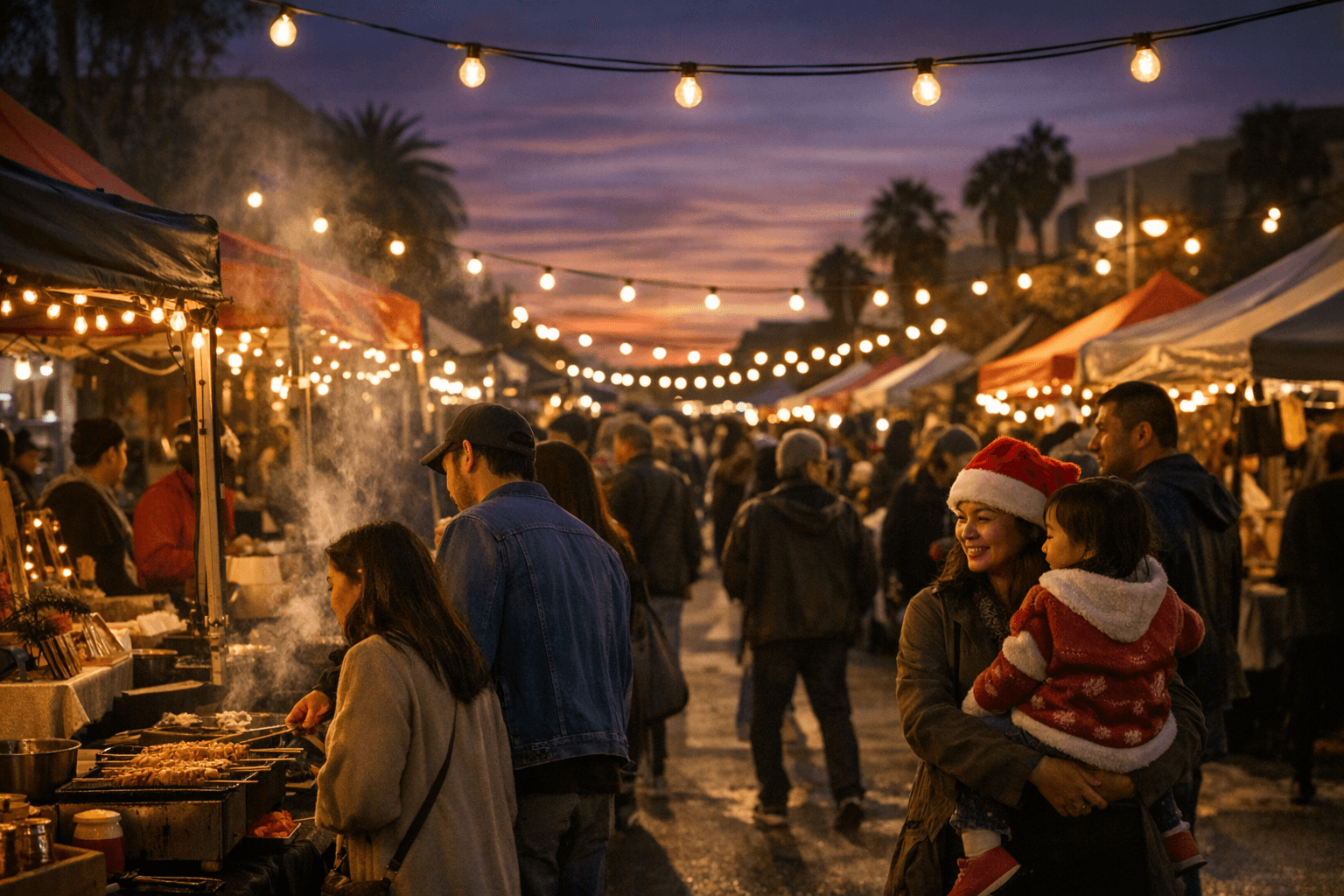
For residents, the shift means fewer interruptions to evening commutes and neighborhood deliveries while preserving curated cultural celebrations tied to Lunar New Year and other Chinese holidays. For vendors, it offers a publicly underwritten platform designed to funnel concentrated demand to brick-and-mortar storefronts and mobile operators alike, potentially improving sales without the overhead of a season-long takeover.
What comes next is a test of whether a compact, grant-backed model can sustain vendor revenue and community goodwill. If the four-night approach stabilizes funding and reduces complaints, city and nonprofit partners may use the model as a template for smaller-scale, culturally oriented events elsewhere in San Francisco County.
This article was produced by Prism’s automated news system from verified source data, official records, and press releases, then run through automated quality and moderation checks before publishing. The system is built and supervised by the people who set the standards it runs under. Read our full AI policy.
Did this article answer your question?