San Francisco advances drone and camera plan to catch dumpers
A drone-and-camera plan could target San Francisco's dumping hot spots, from Bayview to the Tenderloin, while raising new privacy alarms.
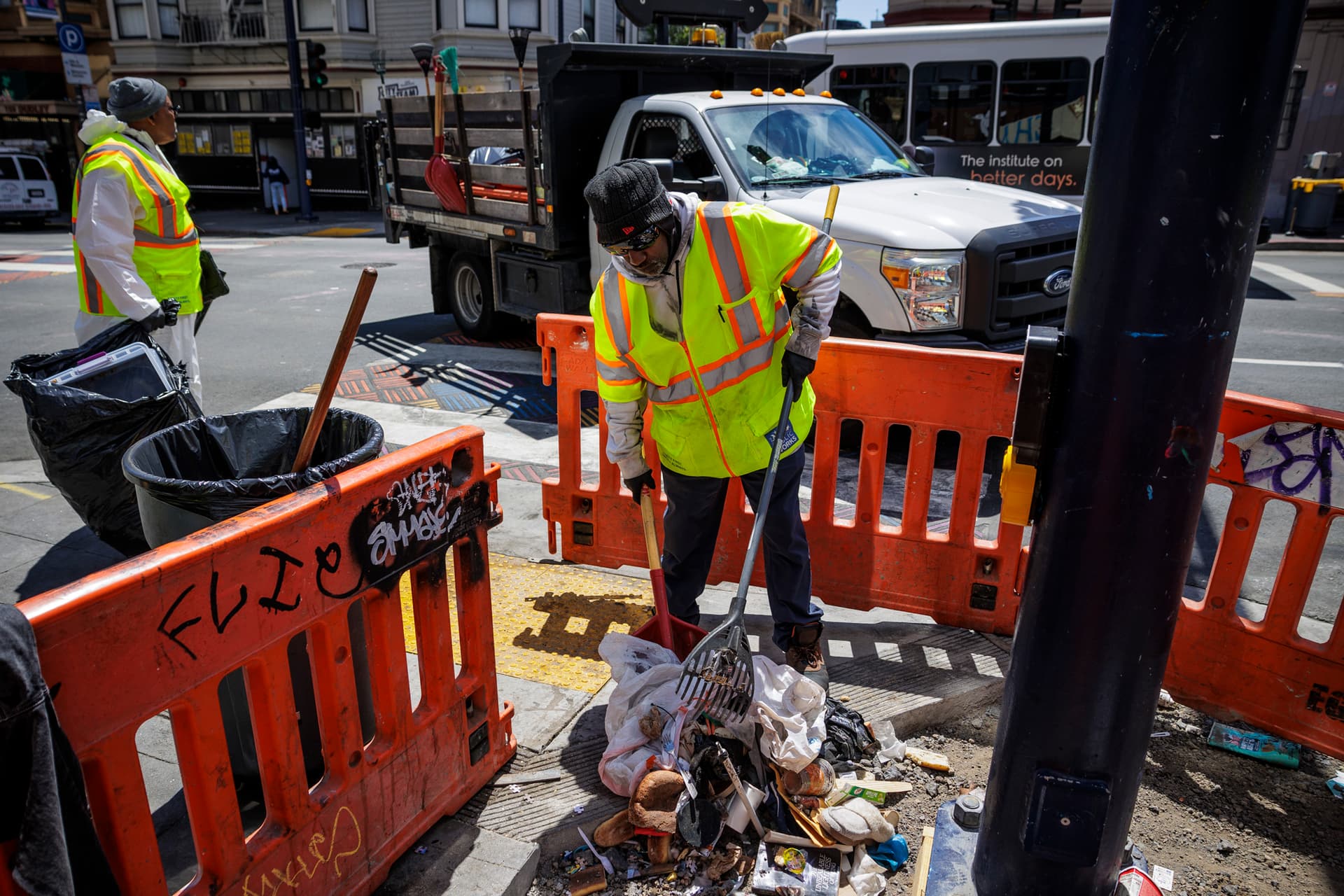
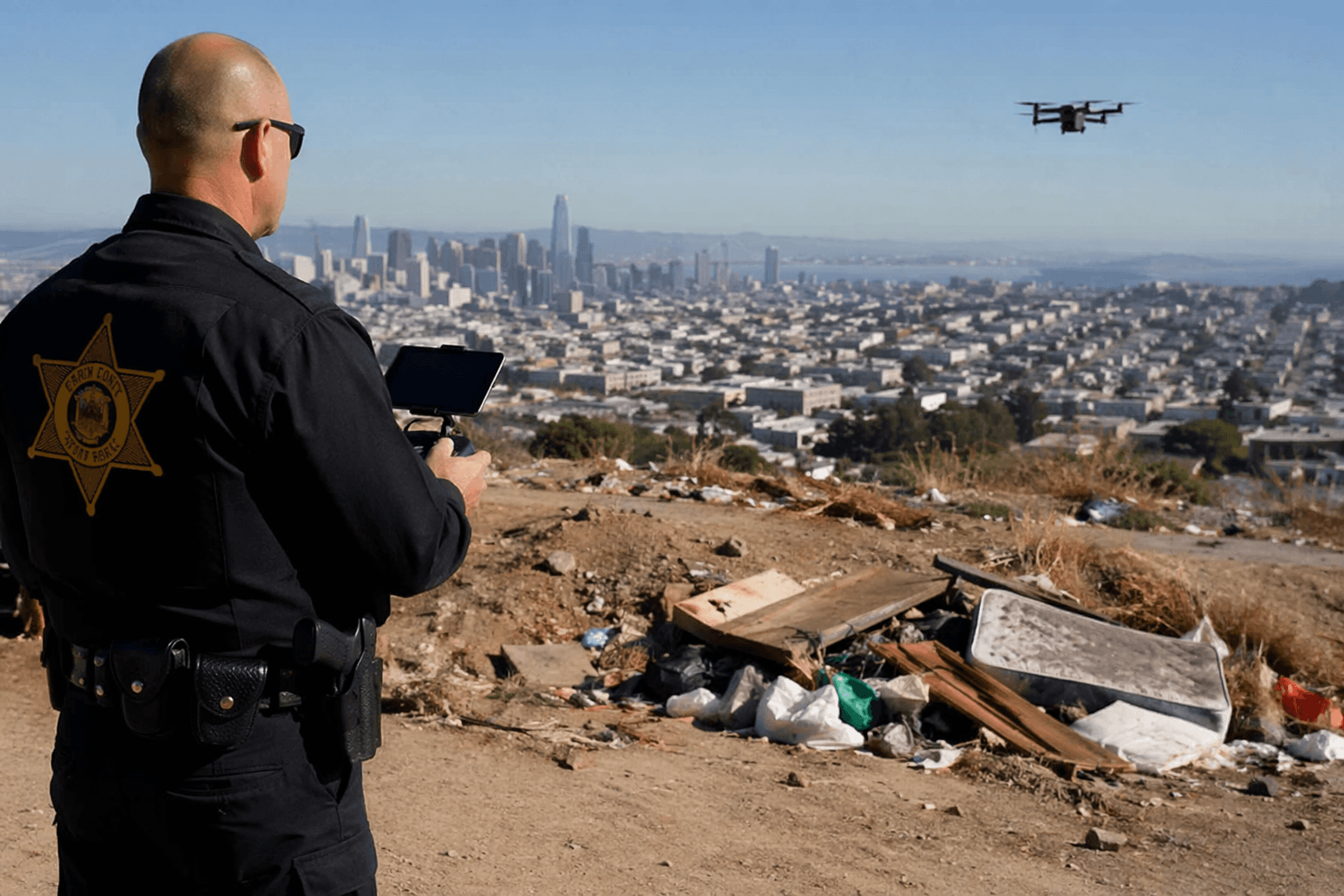
A pile of mattresses, auto parts and bags of trash on a Bayview block could soon trigger a drone, a camera and a license plate check. San Francisco supervisors advanced Ordinance 260334 on May 21, moving the city closer to using drones, cameras and automatic license plate readers to identify people who dump waste on streets hit hardest by the problem.
The proposal would amend Public Works surveillance technology policies to cover drones and an illegal-dumping camera system. City officials say the technology would be aimed at locations identified by Public Works data, including places where garbage trucks are repeatedly dispatched, and violations could bring fines of up to $1,000. The idea is being sold as a way to gather evidence and issue citations in spots where cleanup crews keep returning.
The scale of the problem helps explain why the city is reaching for a sharper enforcement tool. A 2024 city report said Public Works and Recology handle almost 190,000 illegal-dumping complaints a year through 311 and clear more than 12,000 tons of waste from San Francisco streets annually. The city has concentrated proactive collection in Bayview, Chinatown, the Tenderloin, North Beach and the Financial District, where dumped furniture, construction debris and other refuse can quickly make a block feel neglected.
San Francisco has already moved once before in this direction. In 2020, supervisors approved Ordinance 191283, authorizing administrative penalties and fines for illegal dumping and broadening the definition to include electronic waste and hazardous waste. The new proposal would build on that framework, while adding a layer of surveillance that privacy advocates are likely to scrutinize closely. The city says raw data would be kept for 30 days and sharing with outside parties would be prohibited, but questions remain about what footage is collected, who can access it and what happens when drones capture unrelated people and activity.
The debate comes as San Francisco has already normalized more police surveillance technology in the name of public safety. In April 2025, the San Francisco Police Department said its Real Time Investigation Center had helped with more than 500 arrests, including 207 using the Flock automated license plate reader network and 43 using drones. Voters also approved Proposition E in March 2024, authorizing police drone use along with or in lieu of vehicle pursuits and to assist active criminal investigations.
The city is also trying a different tactic in Bayview-Hunters Point. On March 10, Supervisor Shamann Walton, Public Works and Recology announced a pilot program with two temporary community dumpsters beginning March 13. Together, the dumpster pilot and the new surveillance plan show a city trying both easier disposal and tougher enforcement, with residents now facing the central tradeoff: cleaner streets, or a wider reach for city surveillance in public space.
This article was produced by Prism’s automated news system from verified source data, official records, and press releases, then run through automated quality and moderation checks before publishing. The system is built and supervised by the people who set the standards it runs under. Read our full AI policy.
Did this article answer your question?