San Francisco drivers must switch to ParkMobile or HotSpot Parking apps
San Francisco meter users now have to choose between ParkMobile and HotSpot Parking, while PayByPhone no longer works for city parking after June 1.
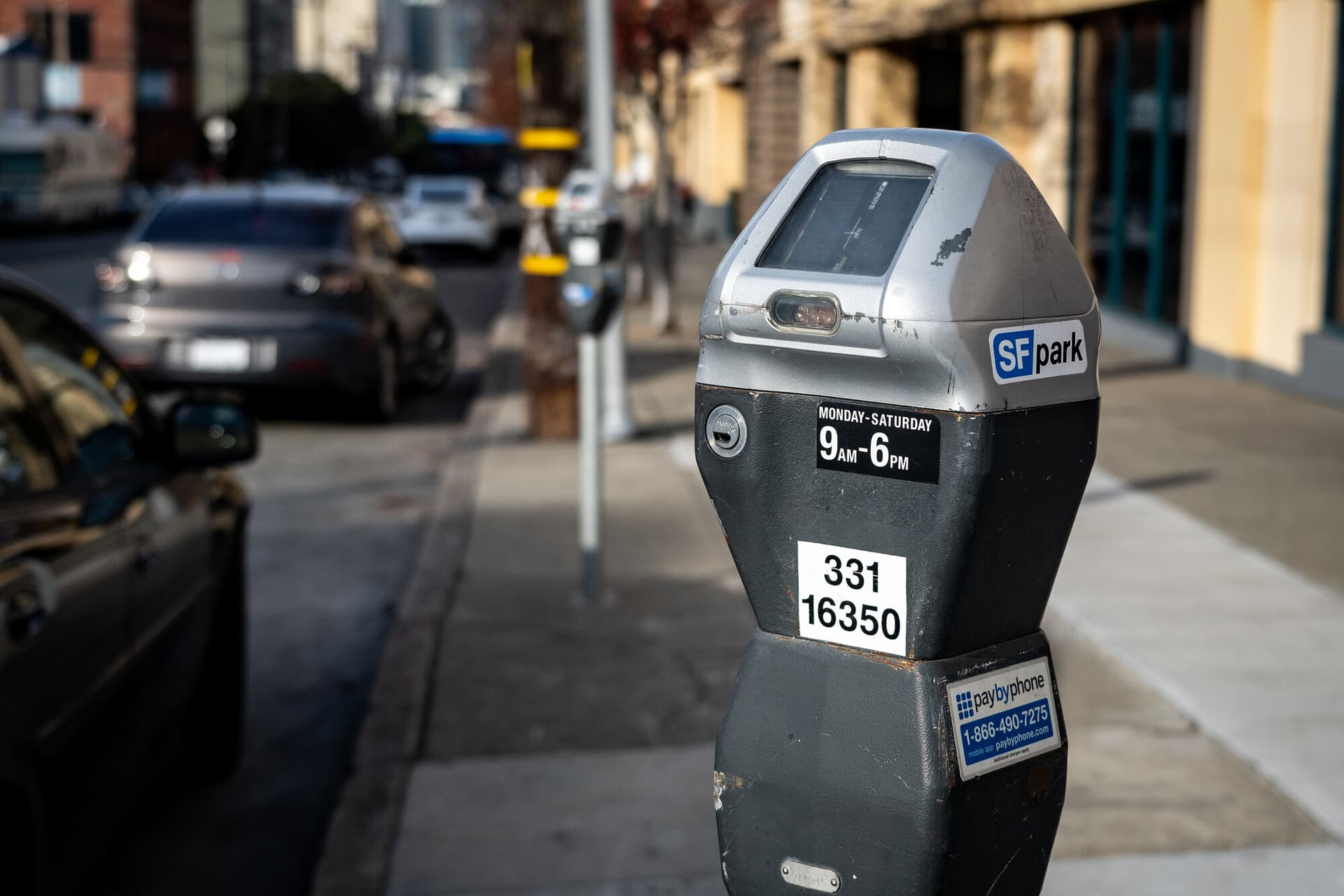
San Francisco drivers now have to treat the parking meter like a fork in the road: ParkMobile or HotSpot Parking will work, but PayByPhone will not pay for a space in the city anymore. That small switch matters from the Mission to the Marina because an old favorite can still sit on your phone even after it stops working on San Francisco curbs. The safest move is to use one of the city’s two approved apps, not the one you have relied on for years.
What changed at the curb
The San Francisco Municipal Transportation Agency says ParkMobile and HotSpot Parking now cover 27,000 on-street paid parking spaces across the city. The change is part of a broader move toward paperless payment options at meters and city garages, a shift the agency says is meant to save time, reduce congestion, and improve parking options citywide.
PayByPhone, which San Francisco first approved for on-street parking in 2011, is no longer the working option for city meter payments. It may still appear in app stores, but as of June 1 it no longer works for buying parking time in San Francisco. That is the trap for habitual users: an app can look current on your phone while being useless at the curb.
Pick one app, not both
You do not need to install both ParkMobile and HotSpot Parking. The city’s setup allows you to choose the one that fits your habits and travel patterns best, which matters if you already use one of them elsewhere. ParkMobile is already active in a number of California cities, including Oakland, Berkeley, Sacramento and Los Angeles, while HotSpot has a broader footprint in Canadian cities like Vancouver.
That difference gives each app a slightly different appeal. If you park regularly in other California cities, ParkMobile may feel more familiar. If you move between San Francisco and Canadian urban parking systems, HotSpot may feel more useful. Either way, the city’s message is the same: do not assume PayByPhone still handles your meter session in San Francisco.
How to pay without getting caught out
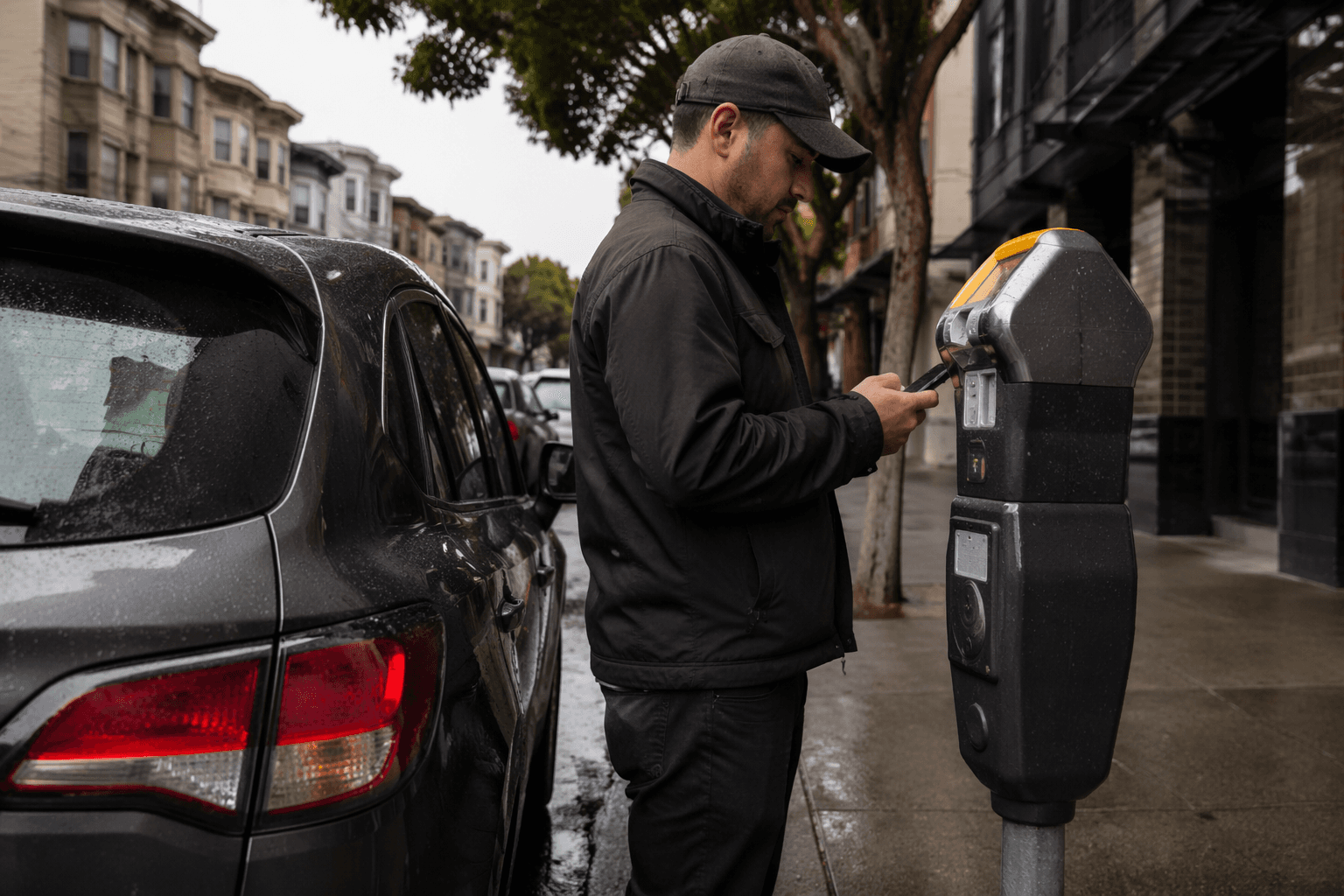
Using the new system is straightforward, but the details matter. The app asks you to enter your license plate, add credit or debit card information, and process the payment digitally. That makes the plate number the key identifier, so an error there can cause problems even if the app itself works correctly.
1. Open ParkMobile or HotSpot Parking.
2. Enter the correct license plate for the car you are driving.
3. Choose your parking time and submit payment with a credit or debit card.
SFMTA says the agency is not trying to hand out tickets with this change. The point, according to streets director Viktoriya Wise, is to make the process easy, clear and fair for drivers. For anyone who has already circled block after block looking for space near downtown, along the Embarcadero, or around a crowded neighborhood commercial strip, that promise is supposed to make the curb less frustrating, not more.
What the city says about security and cost
SFMTA says card information is protected through app-level security standards and is not directly visible to the agency. That distinction matters for drivers wary of handing payment details to a city system; the agency says it receives the payment through the app structure, not your full card data.
The fee structure is part of the same policy picture. SFMTA says its mobile parking payment convenience fee was set at $0.10 in 2025 and later proposed to rise to $0.35 per transaction under the new contracts so the program would remain cost neutral to the agency. In other words, the city is trying to spread the cost of digital payments without letting the system become a budget drain.
Why San Francisco changed vendors
The new setup did not happen overnight. SFMTA released the request for proposals on July 11, 2024, and the Board of Directors conditionally approved the new contracts on May 20, 2025. The existing PayByPhone agreement was set to expire June 30, 2025, and the new contracts were structured as four-year agreements with options to extend for up to two additional years.
SFMTA says the new vendor arrangement was designed to create competition, provide redundancy if one vendor has a service interruption, and support continued growth in mobile payment usage. That is a practical governance move as much as a parking change: if one platform fails, another can keep the city’s curbside payment system moving.
The broader modernization has been underway for years. SFMTA says it replaced 13,000 single-space meters with about 2,600 paystations as part of an effort to reduce infrastructure and street clutter, while also expanding pay-by-license-plate parking. The new app system fits that same pattern, turning a once-hardware-heavy curb into something more digital and flexible.
A change that reaches beyond San Francisco
HotSpot’s recent expansion into Vancouver shows that San Francisco is not alone in adopting app-based meter systems. The City of Vancouver began offering HotSpot for on-street parking on April 7, 2026, underscoring how these platforms are becoming part of major city parking networks.
ParkMobile’s San Francisco launch materials say it serves more than 26,000 on-street parking spaces in the city, reinforcing just how central mobile payment has become to daily parking here. For San Francisco drivers, the lesson is simple: check the app before you feed the meter, because the wrong one can cost you time, money, and a parking ticket.
This article was produced by Prism’s automated news system from verified source data, official records, and press releases, then run through automated quality and moderation checks before publishing. The system is built and supervised by the people who set the standards it runs under. Read our full AI policy.
Know something we missed? Have a correction or additional information?
Submit a Tip