San Francisco gunfire drops sharply as shootings, homicides decline statewide
San Francisco logged 28 homicides in 2025, the lowest since 1954, but residents and merchants are still split on whether the city feels safer.
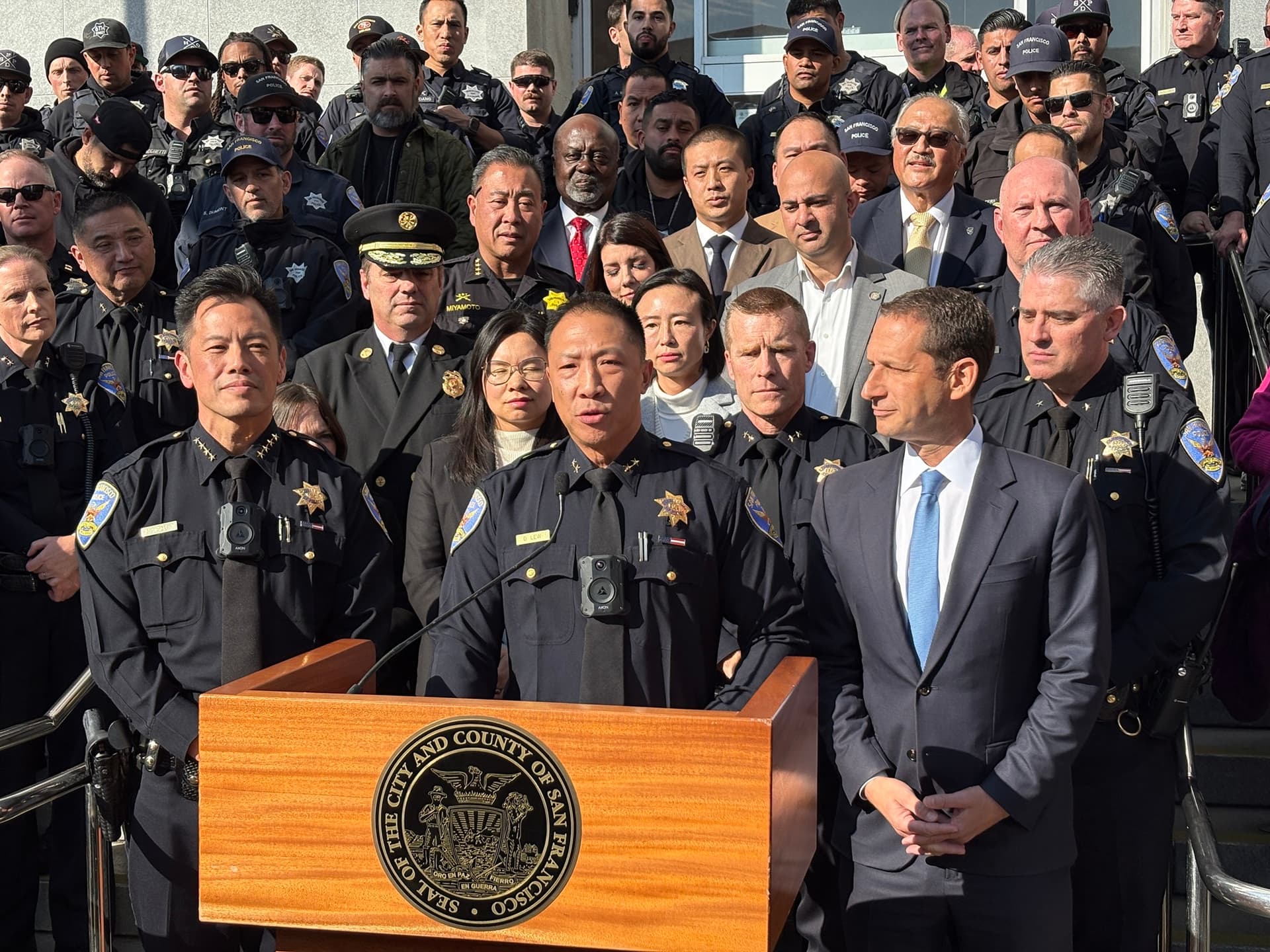
San Francisco recorded 28 homicides in 2025, the lowest total since 1954, while shootings fell 16% and overall crime dropped 25%, according to Police Chief Derrick Lew. The numbers mark one of the clearest reversals in years for a city long defined in public debate by street crime and gunfire.
Lew said violent crime fell 18% and property crime fell 27% last year. The homicide unit cleared 34 killings by arrest or other means, a figure city leaders pointed to as evidence that investigations are moving faster even as the department operates short-staffed.
Mayor Daniel Lurie said the reductions show what is possible when the city focuses on public safety. State leaders have made the same argument on a broader scale, with Governor Gavin Newsom’s office tying San Francisco’s decline to crime drops across California and to California Highway Patrol efforts in the Bay Area. By mid-October 2025, the CHP operation had led to about 200 arrests, the recovery of 500 stolen vehicles and the seizure of 30 illicit firearms.

The city’s own crime tools show why the gunfire story is more complicated than a single percentage point. San Francisco’s public crime dashboard lets residents compare year-to-year Part I crime trends, but the city also notes that some datasets measure incidents rather than victims. DataSF’s shots-fired and ShotSpotter alert feed updates every 10 minutes and covers a rolling 48-hour window, yet the city cautions that calls for service do not always become police incident reports. That means the drop in gunfire can reflect both fewer shootings and differences in how quickly activity is detected, logged and confirmed.
A Chronicle map showed gunfire remained concentrated in a smaller set of neighborhoods even as overall numbers fell, suggesting the decline has not been evenly felt across the city. That matters in places where repeated bursts of gunfire have shaped nightly routines, from walking home after dinner to keeping storefronts open later.
Public reaction has lagged behind the statistics. KTVU reported mixed responses from residents and business owners, with some saying they still do not feel safe despite the improvement. That gap between data and daily experience now sits at the center of San Francisco’s public safety debate: the city can point to fewer shootings, fewer homicides and a faster clearance rate, but the real test is whether those gains are visible on neighborhood streets.
This article was produced by Prism’s automated news system from verified source data, official records, and press releases, then run through automated quality and moderation checks before publishing. The system is built and supervised by the people who set the standards it runs under. Read our full AI policy.
Did this article answer your question?