San Francisco Hospital Social Worker Fatally Stabbed; Security Review Ordered
A 58-year-old social worker at San Francisco General Hospital’s Ward 86 was fatally stabbed after confronting a patient’s visitor, and the alleged assailant has been charged with murder and ordered held without bail. The killing has prompted the Department of Public Health to accelerate security upgrades and commission an outside review, raising urgent questions about safety at city health facilities and access to care for vulnerable patients.
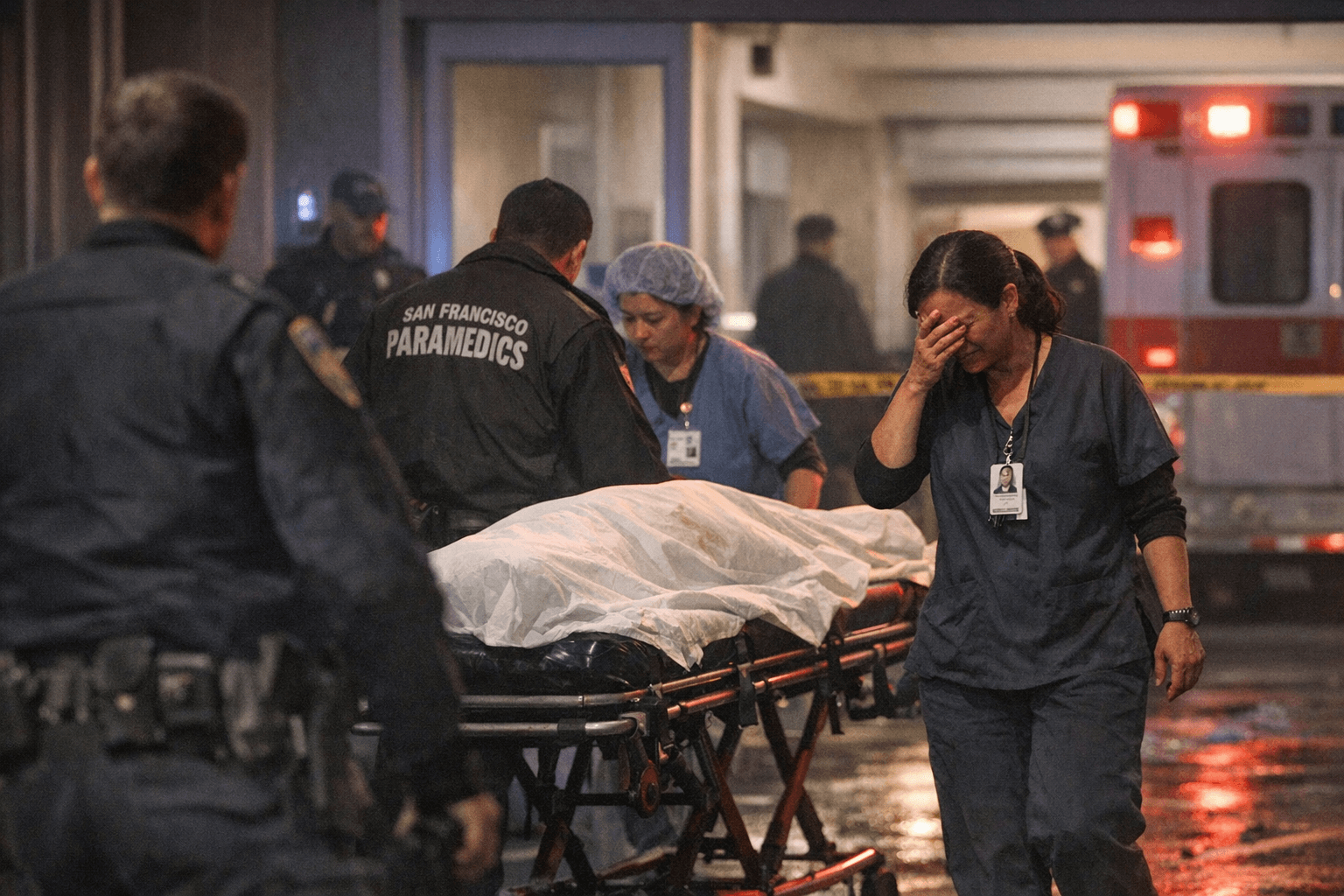
On Dec. 4, a confrontation at San Francisco General Hospital’s Ward 86 HIV care clinic ended in violence when 34-year-old Wilfredo Tortolero-Arriechi allegedly followed a doctor and encountered Alberto Rangel, a 58-year-old social worker and case manager. Prosecutors say Rangel asked Tortolero-Arriechi to leave, and while the two men were walking toward an elevator the suspect grabbed Rangel from behind and stabbed him multiple times. Rangel was wounded in the neck and shoulder and died two days later.
A judge ordered Tortolero-Arriechi held without bail on Dec. 29, 2025; he did not enter a plea at that initial hearing. A hearing for him to enter a plea is scheduled for Jan. 7, 2026. He faces a murder charge in connection with the killing.
Staff at Ward 86 had raised repeated concerns about Tortolero-Arriechi in the weeks before the attack and alerted the Department of Public Health, prompting some heightened security measures. Despite those warnings and steps taken, the suspect was able to reach the clinic. In response to the killing, health department leaders said they would hire an outside firm to review security across city health facilities and were accelerating weapons-detection and other safety measures at San Francisco General.
The incident has immediate implications for patient and staff safety in San Francisco’s public health system. Ward 86 provides specialized services in an environment where building trust and continuity of care are essential. An attack inside a clinic risks chilling both staff willingness to work in high-need settings and patient willingness to seek care, particularly for populations who already face stigma or barriers to services.
Beyond immediate security fixes, the event raises longer-term policy questions about how city health systems balance open access with protective measures. Community advocates and clinicians will need clear plans for transparent reviews, staff training in de-escalation and trauma-informed safety, and investments in screening and weapons detection that do not create new barriers for patients. The decision to hire an outside firm signals a recognition that systemic evaluation is necessary; its findings will be closely watched by staff, patients, and local officials.
For San Franciscans who rely on public clinics, the priority is twofold: ensure physical safety for workers and patients now, and preserve access and trust in services that often serve the city’s most vulnerable. As the legal case progresses next week, health department leaders must balance swift action on security with policies that keep clinics accessible and equitable for the communities they serve.
This article was produced by Prism’s automated news system from verified source data, official records, and press releases, then run through automated quality and moderation checks before publishing. The system is built and supervised by the people who set the standards it runs under. Read our full AI policy.
Did this article answer your question?