San Francisco Kaiser Permanente strike escalates as pharmacy, lab workers prepare walkouts
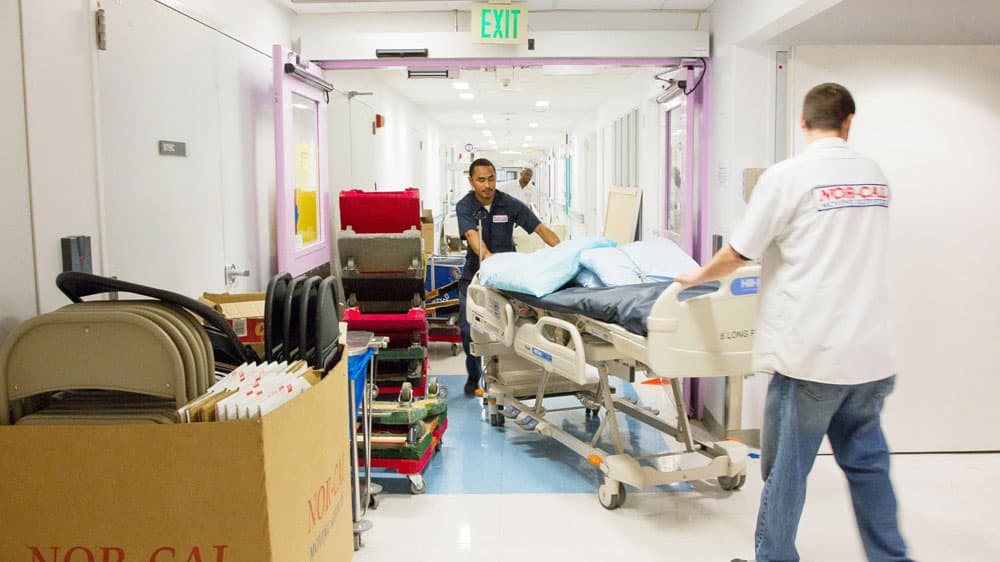
Thousands of Kaiser Permanente workers picketed after a strike that began Feb 5 escalated as pharmacy closures and a UFCW lab notice threatened patient access across San Francisco County.
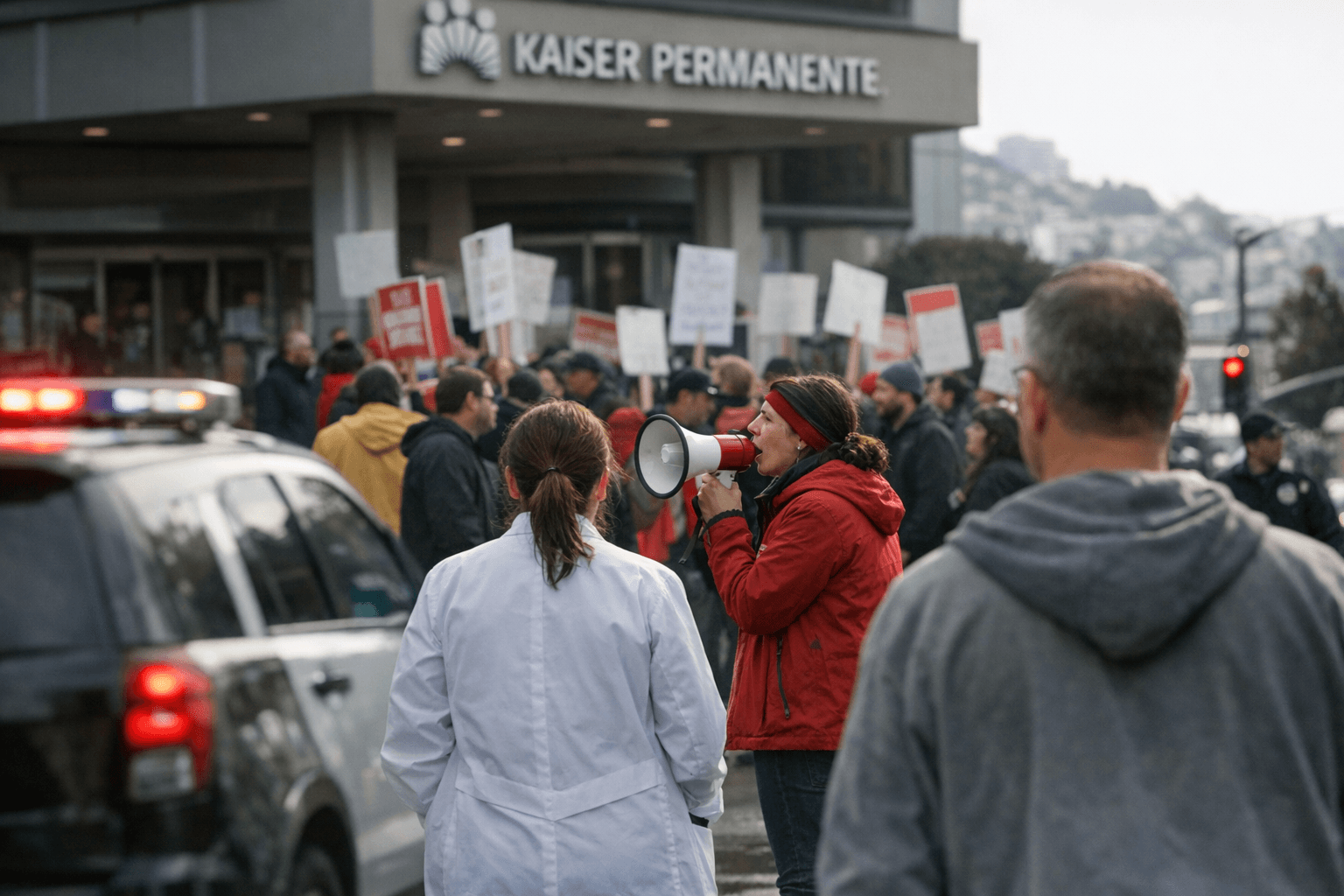
Thousands of Kaiser Permanente health-care workers continued picketing in San Francisco County after a strike that began Feb 5 escalated into its second week, with unions warning that pharmacy and outpatient laboratory operations would be further disrupted. UNAC/UHCP posted a headline declaring, "DAY 11: Kaiser Strike Escalates As More Frontline Workers Prepare To Walk Out Over Bad-Faith Bargaining And Labor Law Violations."
The walkout centers on staffing, wages and claims of unfair bargaining practices. Kaiser Permanente points to a multi-year negotiation timeline, saying it "has been bargaining with the Alliance of Health Care Unions since May of 2025 - the longest national bargaining period in the history of our Labor Management Partnership." Kaiser also notes multiple bargaining sessions and tentative deals reached in 2025 and into January 2026, and has posted patient guidance on how services will be handled during the labor actions.
Operational impacts began to mount earlier in the week. Kaiser posted patient instructions including, "If you have an appointment scheduled during the strike, please don't cancel or reschedule. We’ll contact you in advance if your appointment or services need to be rescheduled." The United Food and Commercial Workers issued a notice for an open-ended strike beginning at 7 a.m. Monday, February 9, "which will affect some outpatient laboratory services." Kaiser warned that "Some of our pharmacies are closed during the strike. For urgent prescriptions, please visit any open Kaiser Permanente pharmacy." Target Clinics were scheduled to be open on February 4 to provide care, and patients are advised to use the system's locations tools or call 855-522-2778 to arrange lab appointments or find alternatives.
Reporting from inside facilities has raised safety concerns tied to staffing changes. One account described plans that include a "joint task force to monitor whether staffing rules are being followed" and an "internal pool of specially trained nurses who can work at different locations where help is needed" rather than mass hiring. That coverage also reported instances of unfamiliar staff working on units and quoted that some "don't even know how to call a fire alarm," concluding that "Basic safety protocols are being bypassed." Nurses quoted in that account said, "For nurses in general, patient safety is our number one priority."
Public health and equity implications in San Francisco are immediate. Pharmacy closures and curtailed outpatient lab access threaten medication continuity and chronic disease monitoring for elderly residents, low-income families and people reliant on routine testing. Redeploying existing staff rather than hiring more clinicians risks shifting shortages across clinics, compounding access problems in neighborhoods that already face health disparities.
The strike also raises policy questions about how a large integrated health system negotiates staffing across regions and how state and federal labor protections are enforced. For patients, the practical next steps are to keep scheduled appointments unless contacted by Kaiser, confirm pharmacy availability before traveling, and call 855-522-2778 or consult Kaiser Permanente’s locations page for the latest on open labs and pharmacies. Expect negotiations and picket activity to continue; unions and Kaiser have signaled sustained bargaining, and more frontline workers were reported preparing to join picket lines, keeping pressure on both care access and labor policy in San Francisco County.
This article was produced by Prism’s automated news system from verified source data, official records, and press releases, then run through automated quality and moderation checks before publishing. The system is built and supervised by the people who set the standards it runs under. Read our full AI policy.
Did this article answer your question?