San Francisco keeps Jacobs to lead $40 million waterfront resilience plan
Jacobs will stay on to steer San Francisco’s $40 million waterfront resilience program, as the city pushes from planning into permit-ready protection for 7.5 miles of shoreline.

San Francisco has kept Jacobs Engineering Group Inc. in place to help steer the Port’s Waterfront Resilience Program, a $40 million planning and delivery contract that will shape how the city defends its bayside edge from earthquakes, storm surge and rising seas.
The five-year advisory agreement runs from March 2, 2026 through March 1, 2031, and gives Jacobs a central role in planning, design coordination and phased construction as the Port moves from study work toward permit-ready packages. For residents along the Embarcadero, in South Beach, Mission Bay and Islais Creek, the question is no longer whether the waterfront needs protection, but how quickly concrete defenses will begin to appear.
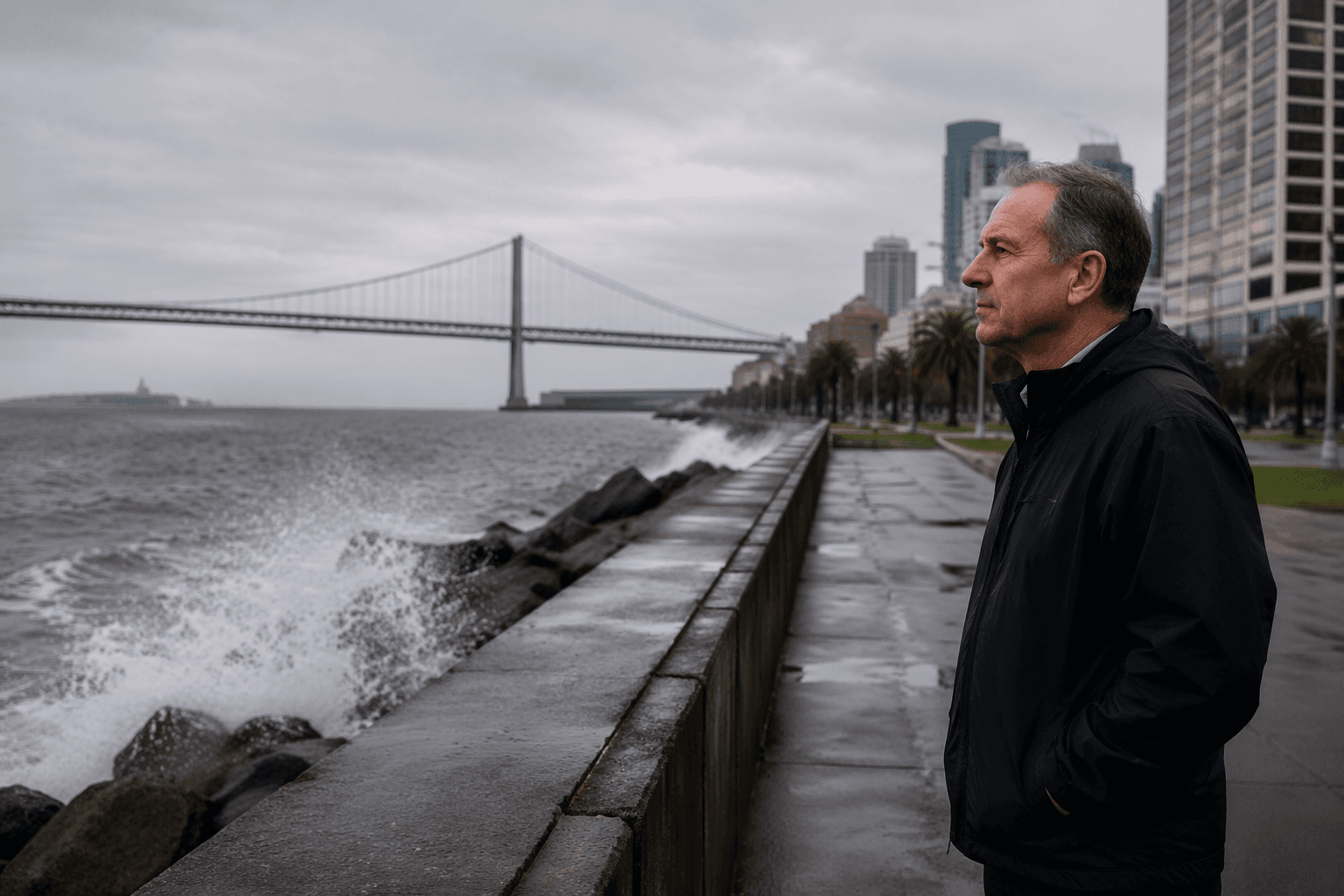
The program covers about 7.5 miles of Port jurisdiction from Aquatic Park to Heron’s Head Park. That stretch includes some of the city’s most visible and vulnerable shoreline, from the piers and historic seawall along the Embarcadero to the low-lying edges near South Beach and Mission Bay, where flood exposure and sea-level rise are already central planning concerns.
The Port and the U.S. Army Corps of Engineers have released a draft plan for the San Francisco Waterfront Flood Study and are refining it with public input and technical analysis. Port materials say the draft plan is expected to be completed in 2026, while the next 12 to 24 months are expected to be critical for funding, permitting and phasing. The Port has also said that without intervention, rising seas could drive more than $23 billion in damages on Port property and in nearby neighborhoods over the next century.
Jacobs’ work will extend beyond engineering. The contract covers environmental and engineering support, communications, finance, and workforce and small-business outreach, putting the company at the center of both the technical and public sides of the program. That matters because the waterfront resilience effort has to be measured in more than renderings and planning decks. San Franciscans will be looking for visible milestones: which blocks are protected first, which reaches of shoreline move into construction, and how the city explains progress across a waterfront that serves an estimated 24 million visitors a year.
The effort grew out of the earlier Embarcadero Seawall Earthquake Safety and Disaster Prevention Program, after voters approved Proposition A in 2018 to authorize a $425 million general obligation bond. The Port says the first bond issuance was approved in March 2019, and early work included geotechnical investigation, earthquake and flood risk assessment, alternatives development, permitting and community engagement. With Jacobs staying on, the city is now under pressure to show where the first visible protections will land and when.
This article was produced by Prism’s automated news system from verified source data, official records, and press releases, then run through automated quality and moderation checks before publishing. The system is built and supervised by the people who set the standards it runs under. Read our full AI policy.
Know something we missed? Have a correction or additional information?
Submit a Tip