San Francisco may replace nonprofit pretrial services with city-run system
San Francisco could shift pretrial release decisions from a longtime nonprofit to Adult Probation, changing who handles the first 72 hours after arrest.
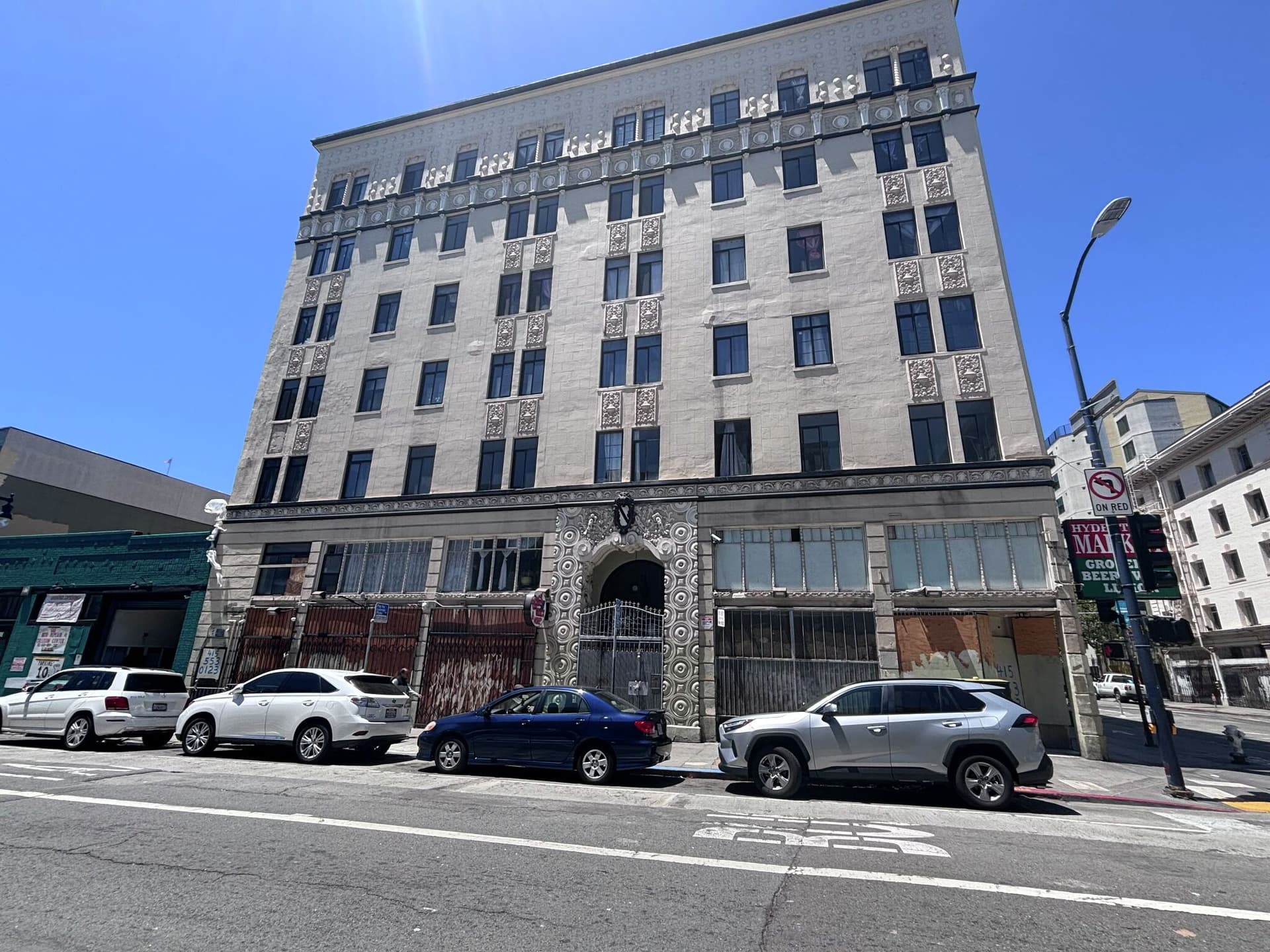
At 1200 Folsom St., where San Francisco Pretrial Diversion Project has long handled intake and supervision, the fight over pretrial power is moving toward City Hall and the Superior Court. If the court follows through on ending its relationship with the nonprofit, the first calls, risk assessments and release recommendations after an arrest could shift to the San Francisco Adult Probation Department as soon as July 1.
The change would not be a simple vendor swap. Adult Probation is seeking about $12.7 million for fiscal year 2026-27 and expects roughly 54 full-time positions to cover assessment, monitoring and research, with a staffing model that would rely mostly on civilian supervisors. That would put more of the early decision-making around Own Recognizance release, supervised pretrial release and conditional release inside a city department that already presents itself as evidence-based and victim-centered.
For defendants, the practical difference could show up within hours of booking. Under the current model, SF Pretrial says it operates 24/7 and supervises 1,800 to 2,000 people on any given day who would otherwise be in jail. The nonprofit says its staff includes people with lived experience and community ties that help connect clients to support services quickly, while keeping people in contact with the court. For victims, the city says a probation-run system would fit into a broader supervision structure that already works with reentry and rehabilitative services. For judges, the question is whether the new model can preserve fast, reliable information while still using the least restrictive conditions needed to protect public safety and ensure people return to court, the standard described by the California Judicial Council.
The dispute has also turned into an argument over accountability. The San Francisco Superior Court has said the nonprofit repeatedly failed to provide financial records and submitted reports the court viewed as inaccurate, late or unclear. SF Pretrial disputes that account and says it was not given a fair chance to help plan the transition. David Mauroff, the nonprofit’s chief executive, has pushed back publicly while supporters have organized a Don’t Dismantle SF Pretrial campaign.
The stakes are unusually high because SF Pretrial traces its roots to 1976, and San Francisco’s pretrial history goes back to a 1964 Bar Association pilot called the O.R. Project, whose core operations were transferred to SF Pretrial in 2003. The nonprofit says its 2024 impact report showed client safety rates above statewide averages and established programs nationwide, and that it secured more than $8 million in additional foundation, individual, state and federal funding over the past three years.
Adult Probation had already signaled a broader role before this showdown. A city job posting on March 12 sought a Pretrial Division Director, and the department held a public budget meeting on February 11 for its 2026-27 and 2027-28 priorities. What happens next will decide whether San Francisco keeps a community-based pretrial model or moves that work into a government-run system with a very different chain of command.
This article was produced by Prism’s automated news system from verified source data, official records, and press releases, then run through automated quality and moderation checks before publishing. The system is built and supervised by the people who set the standards it runs under. Read our full AI policy.
Know something we missed? Have a correction or additional information?
Submit a Tip