San Francisco moves toward downtown hospitality zone for liquor licenses
San Francisco moved toward up to 20 new liquor licenses downtown, where permits can cost $100,000 to $150,000 on the secondary market, as office vacancies hit 30.4%.
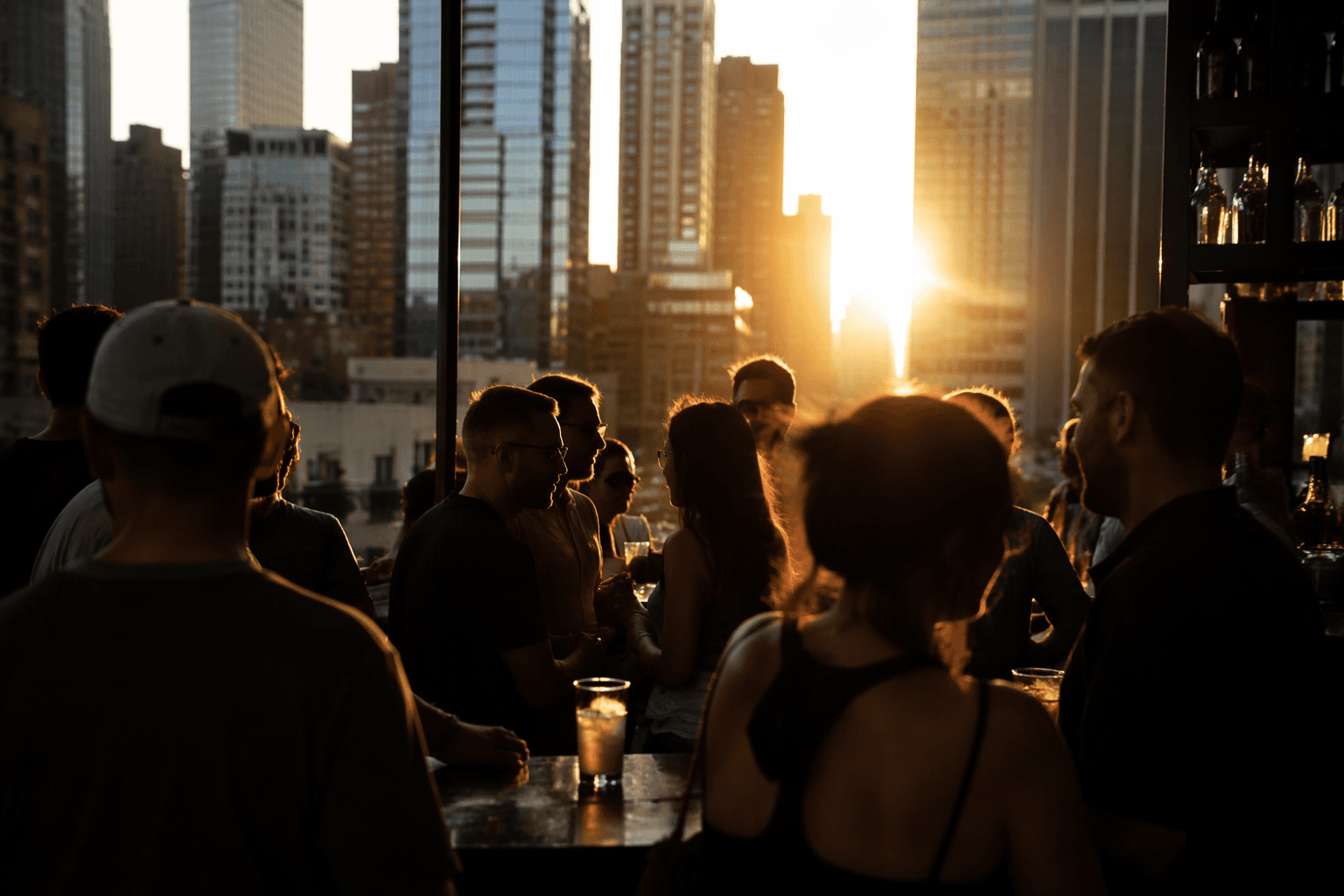
San Francisco is moving toward a downtown liquor-license zone that could give restaurants and bars near Union Square, the Moscone Convention Center and Yerba Buena Gardens a far cheaper path to open. The plan would add up to 20 new original on-sale general licenses inside a designated hospitality zone, a change aimed at bringing more people back to a core still shaped by empty offices, thinner commuter traffic and uneven nighttime activity.
The proposal matters because San Francisco’s liquor-license market has long been a barrier to entry. A state application fee is only part of the cost; the bigger obstacle has been scarcity on the secondary market, where prices have often run from about $100,000 to $150,000, far above the roughly $20,000 base fee. For a small restaurant, music venue or neighborhood bar, that gap can determine whether a business opens at all.
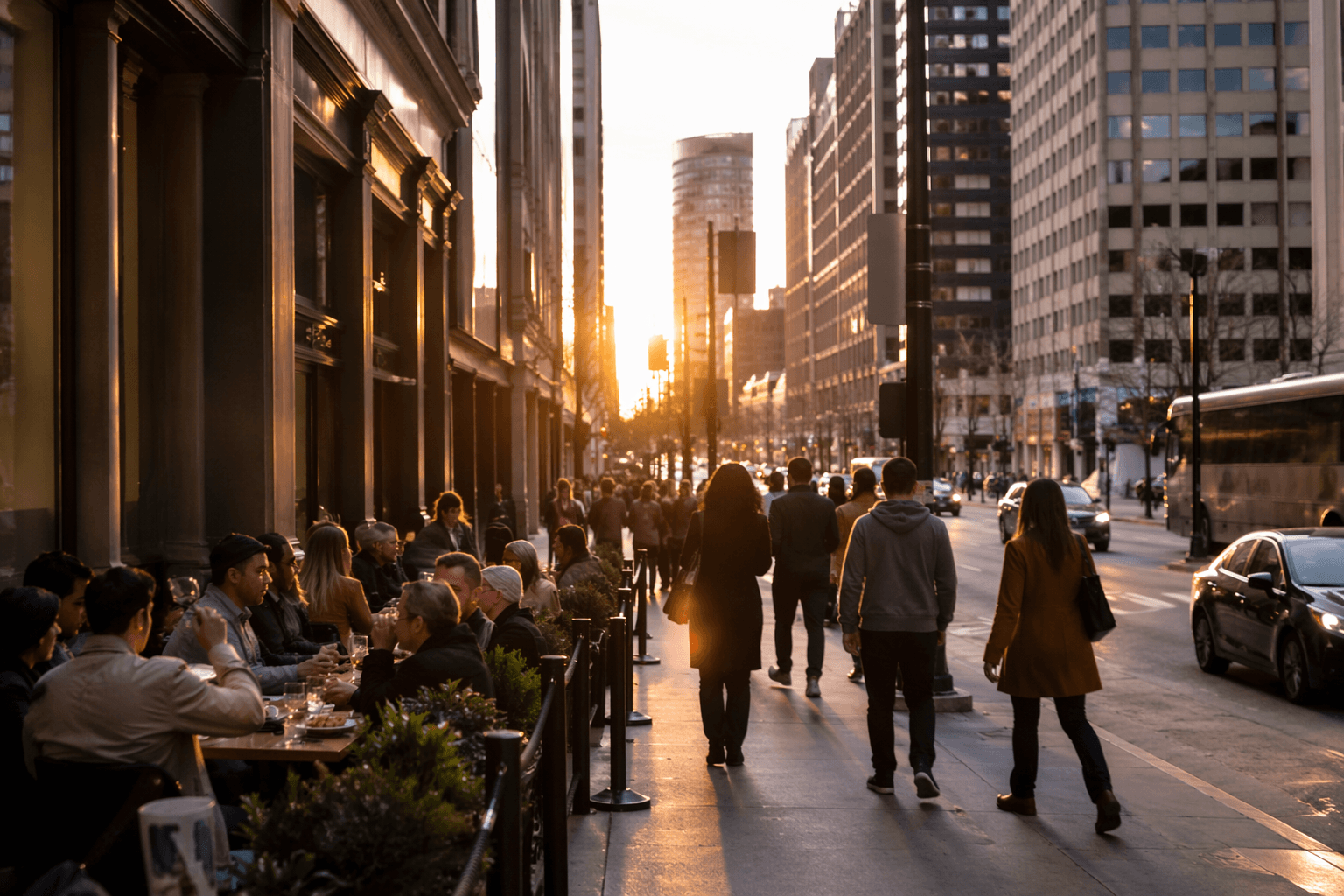
Under SB 395, the City and County of San Francisco could create a hospitality zone only through a local ordinance adopted on or after January 1, 2026, and the zone would need at least 1,000,000 square feet of retail shopping space open to the public. The ordinance would also have to include specified findings. The mayor’s office said it had launched a Hospitality Zone Task Force with dedicated resources around Union Square, the Moscone Convention Center and Yerba Buena Gardens, signaling that the liquor-license push is part of a broader downtown-recovery package.
Mayor Daniel Lurie said the measure would bring new restaurants and bars and help make downtown “open for business.” Sen. Scott Wiener said nightlife is critical to revitalizing downtown and diversifying the office-heavy neighborhood’s offerings. The argument from supporters is straightforward: more licenses could help extend hours, increase foot traffic and give visitors more reasons to linger downtown after conventions, shopping and theater nights.
The policy also raises the familiar San Francisco question of how much economic activation can happen without making block-by-block quality-of-life problems worse. Nearby residents and existing venues are likely to watch for guardrails on noise, crowding, public safety and late-night disorder, especially on the streets feeding into the city’s main attractions. The broader backdrop is a downtown office market with a 30.4% vacancy rate in Q1 2026, according to CBRE, which helps explain why city leaders are reaching for tools that can create evening activity as well as daytime demand.
Even if local leaders agree on the concept, the ordinance still has to move through the Board of Supervisors, where it needs two meetings at least five days apart and six votes to pass. That makes the hospitality zone less a quick fix than a test of whether San Francisco wants to use alcohol licensing as an economic development tool to rebuild downtown life one block at a time.
This article was produced by Prism’s automated news system from verified source data, official records, and press releases, then run through automated quality and moderation checks before publishing. The system is built and supervised by the people who set the standards it runs under. Read our full AI policy.
Know something we missed? Have a correction or additional information?
Submit a Tip