San Francisco, Oakland settle airport naming fight over brand dispute
Oakland keeps its airport name and OAK code, but it must stop marketing itself like SFO. The Bay Area branding war is over, and so are the court bills from it.

San Francisco travelers will still see Oakland San Francisco Bay Airport on signs and schedules, but they will not see Oakland recast itself as a second SFO. The Port of Oakland and the City and County of San Francisco settled their airport naming fight on April 28, ending a two-year brand dispute that had spilled into federal court, regional politics and airport marketing.
Under the deal, Oakland can keep the name Oakland San Francisco Bay Airport and retain the OAK code. It cannot add “SF” to that code, cannot present San Francisco more prominently than Oakland in displays or advertising, and cannot buy online search terms such as San Francisco Airport, SF Airport or San Francisco International Airport. The Port also must notify airlines, transit operators and regulators that Oakland San Francisco Bay Airport is the proper name to use.
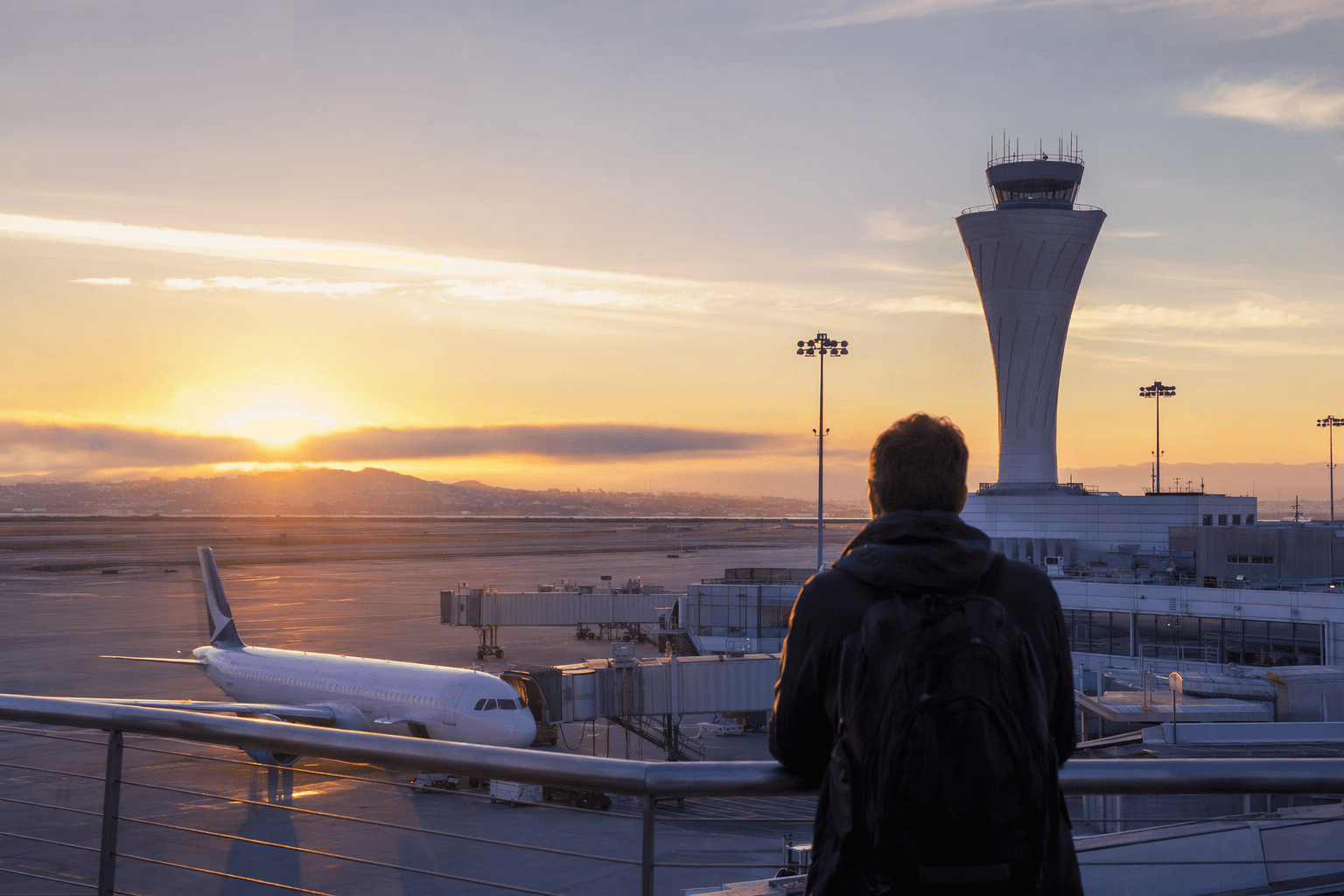
The agreement closes San Francisco’s April 2024 trademark infringement lawsuit, Oakland’s counterclaim and Oakland’s appeal of a preliminary injunction. A federal district court judge blocked the earlier name, San Francisco Bay Oakland International Airport, in November 2024 after San Francisco argued that the wording infringed on the San Francisco International Airport® trademark and could confuse travelers. Oakland later renamed the airport again on June 27, 2025, to the version it will now keep.
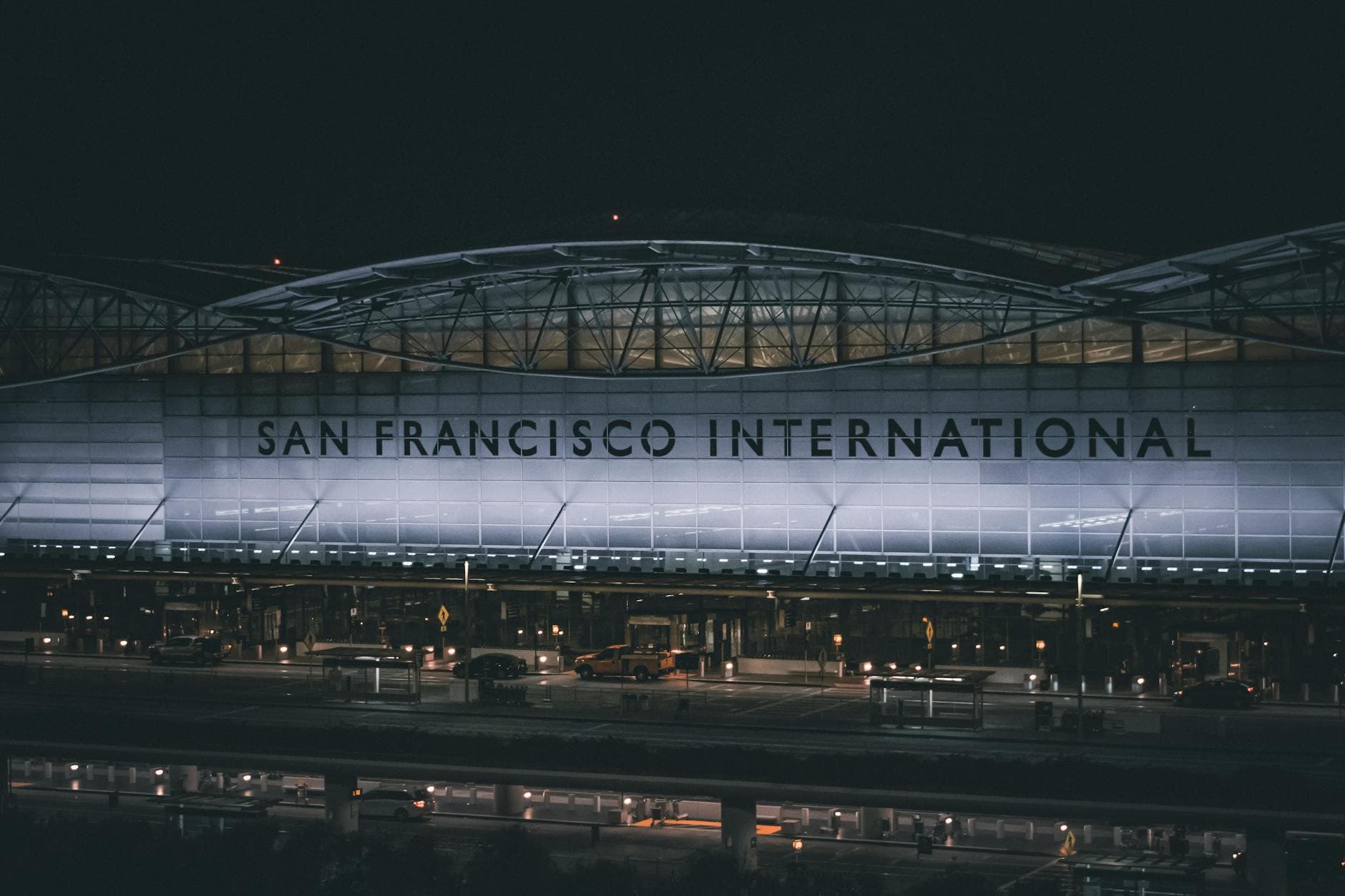
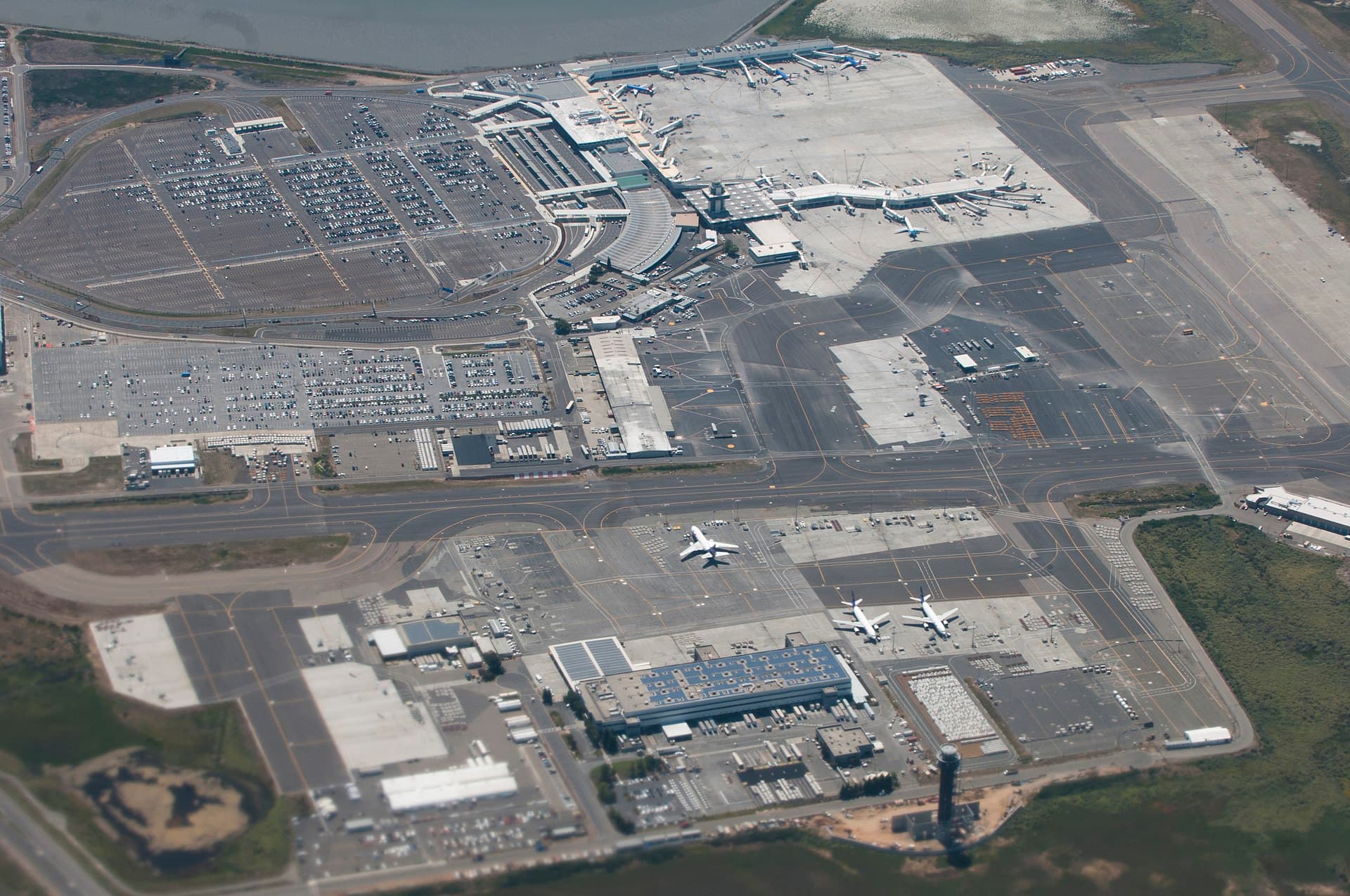
The practical effect is simple for ordinary fliers: Oakland stays Oakland. The airport can still invoke the Bay Area, but it cannot blur the line between OAK and SFO or borrow enough of San Francisco’s identity to look like the city’s main airport. That distinction matters because Oakland handled more than 10.8 million passengers in 2024, while SFO handled about 51.3 million passengers in fiscal year 2024, roughly 4.75 times as many. San Francisco’s case rested on the idea that the larger airport’s name has real commercial value, while Oakland sought to use regional recognition to boost its own visibility.
City Attorney David Chiu said the settlement protects the SFO trademark while resolving the dispute. SFO Director Mike Nakornkhet said the deal gives travelers clarity and lets the airports move forward without more legal uncertainty. For San Francisco, it ends a Bay Area turf war that consumed civic energy with little visible benefit to people simply trying to catch a flight.
This article was produced by Prism’s automated news system from verified source data, official records, and press releases, then run through automated quality and moderation checks before publishing. The system is built and supervised by the people who set the standards it runs under. Read our full AI policy.
Did this article answer your question?