San Francisco office owners fight reassessments as downtown vacancies soar
San Francisco offices sat 34.5% vacant, turning reassessments into a fight over taxes, downtown recovery and the city services those dollars support.
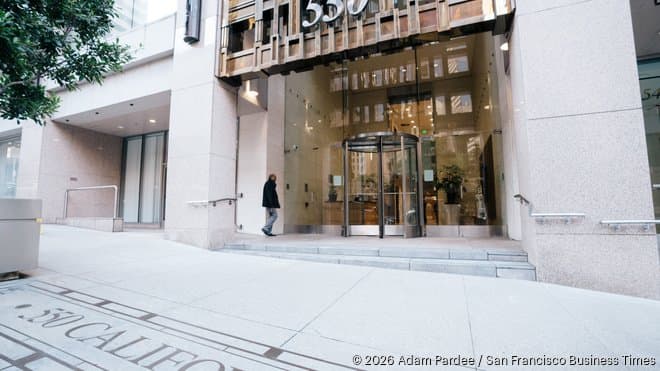
San Francisco’s empty towers have turned property-tax reassessments into a bigger argument about who pays for the city’s recovery. With downtown office vacancy at 34.5% in the third quarter of 2024, more than one-third of the city’s office stock was sitting vacant, and every reassessment now carries consequences far beyond a landlord’s tax bill.
Under Proposition 13, office buildings are generally reassessed to current market value only when ownership changes or new construction occurs, and annual assessment increases are usually capped at 2% or inflation, whichever is lower. That system gives owners a path to challenge valuations when the market weakens, and San Francisco’s Assessment Appeals Board, which is independent of the Assessor’s Office, hears those disputes. For the 2025-2026 tax year, the city mailed notices of assessed value on July 13, 2025, with formal appeals due September 15, 2025.
The core question is whether lower office values reflect downtown reality or whether owners are trying to push taxes down faster than the market has actually fallen. San Francisco’s own numbers show a city still under pressure, but not in free fall. The Assessor-Recorder said the local property assessment roll rose from about $347 billion in 2024-2025 to about $353.6 billion in 2025-2026, an increase of roughly $6 billion, or 1.79%. That roll is the base for billions of dollars in annual property-tax revenue, which helps pay for city services from transit to schools to public safety.
The Controller’s Office has said the office vacancy rate remains a key measure of San Francisco’s post-pandemic downtown recovery. In January 2025, the city’s economy report said vacancy dipped slightly in the fourth quarter of 2024, the first decline since 2020, even as downtown shopper traffic fell and office attendance trends remained mixed. Muni metro ridership downtown continued to recover, and employee visits increased through 2024, but the city has not come close to returning to the pre-pandemic era, when office vacancy was under 5%.
That is why City Hall is trying to pair tax policy with reinvention. Mayor Daniel Lurie and Board President Rafael Mandelman introduced the San Francisco Downtown Revitalization and Economic Recovery Financing District in April 2025, and Lurie signed related legislation in June. The district is meant to support office-to-residential conversions by reinvesting incremental property-tax revenue from those projects back into downtown.
There are still signs that some employers see a future in the city. JPMorgan Chase said in April 2025 that it would expand its San Francisco office space to about 280,000 square feet. But for most of downtown, the verdict on reassessments will shape how much strain falls on owners, and how much room San Francisco has left to fund the services that keep the city functioning.
This article was produced by Prism’s automated news system from verified source data, official records, and press releases, then run through automated quality and moderation checks before publishing. The system is built and supervised by the people who set the standards it runs under. Read our full AI policy.
Did this article answer your question?

