San Francisco officials weigh expanding RESET center citywide after pilot gains
Nearly 80 Mission residents pressed officials on RESET as San Francisco floated taking the 444 Sixth Street pilot citywide.
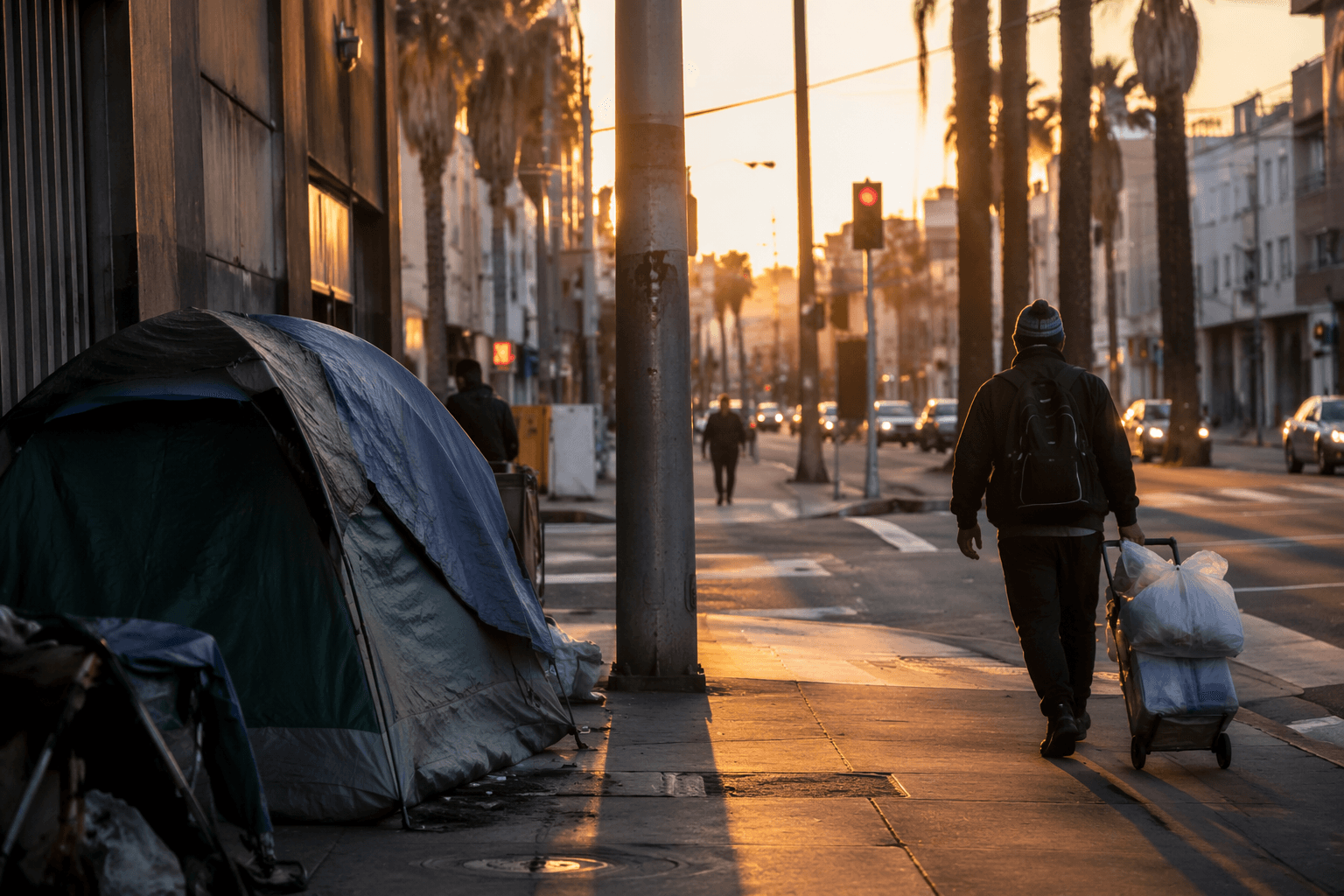
Nearly 80 Mission District residents packed Cornerstone Church on July 1 as Mayor Daniel Lurie’s public-safety chief said San Francisco could expand its RESET model beyond 444 Sixth Street. The meeting quickly narrowed to the same block-by-block complaints people raise around 16th and Mission: litter, public drug use, fenced stolen goods, and sidewalks that feel overtaken by disorder.
RESET, short for Rapid Enforcement, Support, Evaluation and Triage, opened May 4 near the Hall of Justice as an alternative to jail or hospitalization for people arrested under the influence of drugs. The city placed the program under the San Francisco Sheriff’s Office, with support from the Department of Public Health, and contracted Connections Health Solutions to operate it.
Steven Betz, Lurie’s chief of public safety, told residents the center has already seen 650 people and that 27% agreed to move into a shelter or residential treatment program. He said the average stay is eight hours.
The city said RESET saw more than 500 admissions in its first month and that one-third accepted referral to longer-term care. Lurie unveiled his broader Breaking the Cycle effort on March 18, 2025, along with a 24/7 police-friendly crisis stabilization center at 822 Geary Street. In a June 9 announcement, the mayor cited a record-low number of tent encampments and large vehicles in the city’s quarterly count.
A leaked memo from the city attorney’s office warned that holding people against their will could expose the city to lawsuits, and a February legal warning said the plan carried a very high legal risk because a court could decide the site functions as a detention facility subject to state standards the center may not meet.

Residents did not leave with a single view of what should happen next. Some called for more police presence, some for less, and many focused on basics that shape daily life on local blocks: more trash cans, bathrooms, and mobile showers.
This article was produced by Prism’s automated news system from verified source data, official records, and press releases, then run through automated quality and moderation checks before publishing. The system is built and supervised by the people who set the standards it runs under. Read our full AI policy.
Did this article answer your question?