San Francisco opens RESET Center for intoxication, drug use, treatment referrals
At 444 Sixth St., San Francisco opened a 25-bed RESET Center meant to sober up intoxicated people, steer them to care and keep them out of jail.
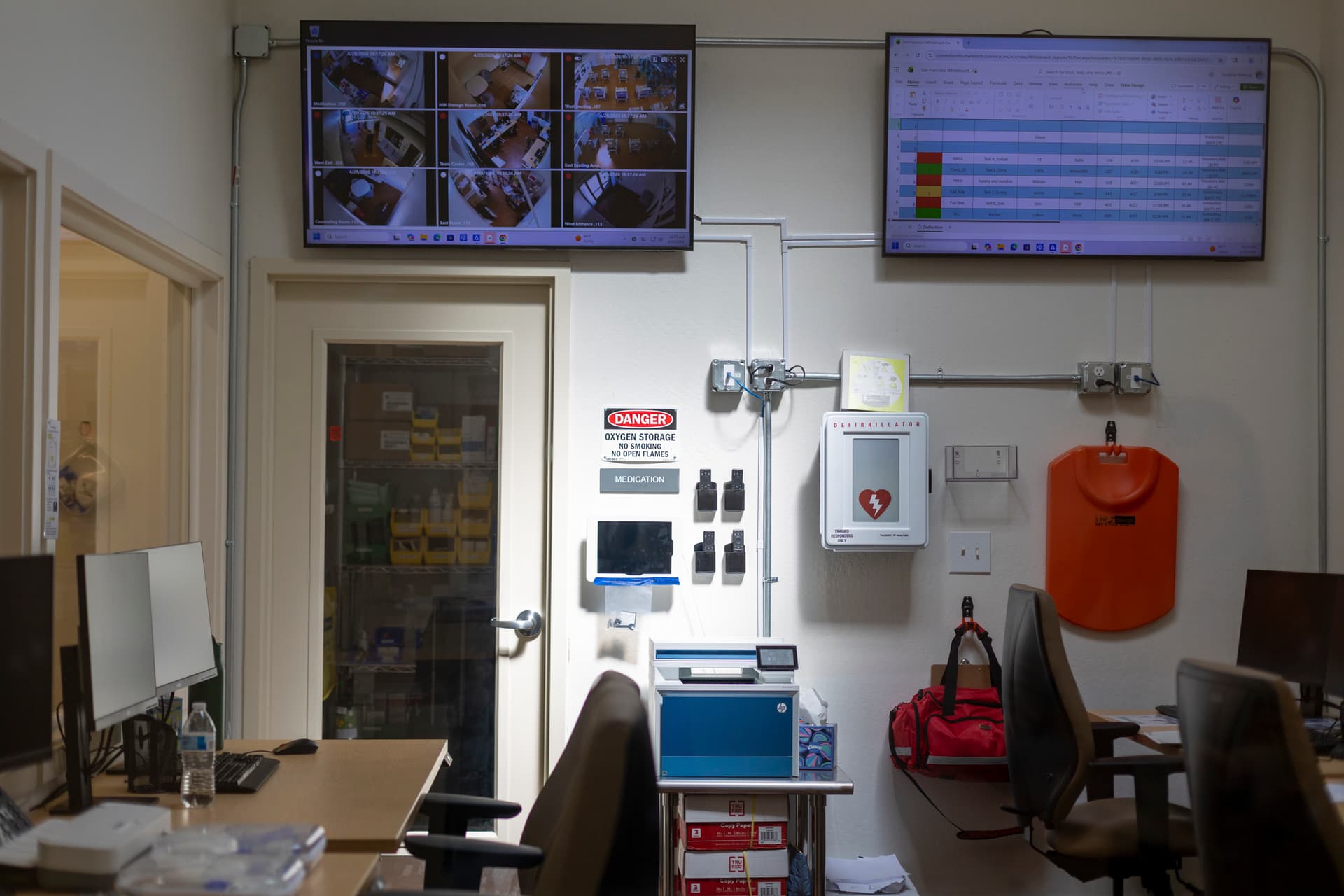
At 444 Sixth St., next to the Hall of Justice, San Francisco opened a RESET Center built to pull people in public intoxication off the street and into a tightly controlled space instead of jail or an emergency room. The city says the pilot is meant to be 24/7, with law enforcement able to bring in people detained for public intoxication if they are not violent, do not need emergency medical care and do not have active warrants.
The center is the latest piece of Mayor Daniel Lurie’s Breaking the Cycle initiative, and it is set up as a shared city operation with the San Francisco Sheriff’s Office overseeing the site, the Department of Public Health supporting it and Connections Health Solutions running it. City legislation also authorizes the Sheriff’s Office to contract with ConnectionsCA, LLC. People who accept placement are not charged or booked at the site; those who refuse can still be taken to jail.

The first phase is aimed at District 6, including South of Market, where public drug use and intoxication have long tested sidewalks, transit stops and nearby businesses. The initial setup includes 25 beds or reclining chairs, along with nurse and behavioral health staff on site around the clock. The pilot is expected to run a little more than two years, with planning documents describing a possible one-year extension.
The politics around RESET show how much San Francisco is still wrestling with where treatment ends and detention begins. City Attorney staff warned that the model could be viewed as an unlicensed detention center under state law, a legal risk that goes to the core of the program’s design. If the site operates as a place where people can truly sober up and move into care, city leaders will call it a breakthrough. If it starts to look like custody by another name, the legal fight will come fast.
The stakes are high because the overdose crisis has not eased. The city said the San Francisco Office of the Chief Medical Examiner reported 635 unintentional drug overdose deaths in 2024, and county tracking showed 582 overdose deaths from September 2024 through August 2025. The San Francisco Department of Public Health said it managed about 2,600 behavioral health residential treatment and care beds at the start of 2025 and added more than 200 more during the year.
RESET also follows the opening of a 24/7 police-friendly stabilization center at 822 Geary Street in April 2025. District 6 Supervisor Matt Dorsey has called RESET the most important policy shift in San Francisco since the fentanyl crisis began. The city is betting that a new front door for people in crisis can break a pattern of arrest, release and relapse, and the first signs of success will be simple to spot on Sixth Street: whether police use it, whether people stay, and whether the block around the Hall of Justice starts to change.
This article was produced by Prism’s automated news system from verified source data, official records, and press releases, then run through automated quality and moderation checks before publishing. The system is built and supervised by the people who set the standards it runs under. Read our full AI policy.
Did this article answer your question?