San Francisco permits just 377 homes, leaders urge faster approvals
Only 377 homes were completed or permitted citywide so far this year, a pace that leaves teachers, school staff and families squeezed out of San Francisco.

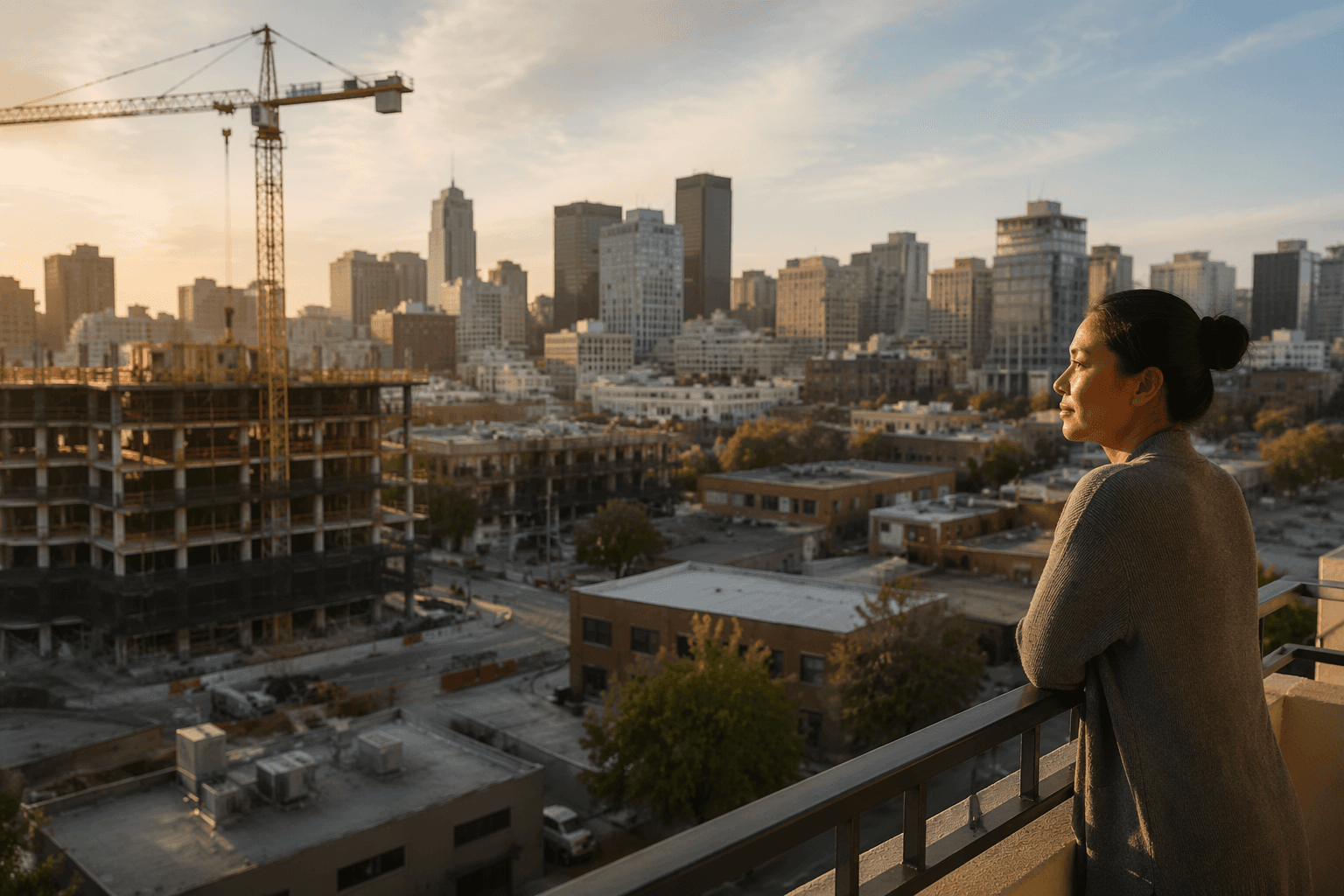
San Francisco’s housing shortage is still playing out in real lives, from teachers and school staff who cannot afford to stay close to their classrooms to families pushed into longer commutes and unstable neighborhood ties. With just 377 homes completed and permitted year-to-date, the city is nowhere near the pace needed to ease the pressure that has made it harder to keep the people who make San Francisco work.
The latest figures land against a much larger backdrop. San Francisco Planning’s Housing Dashboard tracks completed dwelling units since 2005 and active residential projects in the development pipeline, while the city’s annual Housing Inventory has been published regularly since 1967. The 2025 Housing Inventory, released April 1, 2026, was the 56th in the series and documented housing production completed in 2025.
City records show the scale of what is still in the pipeline. As of January 2026, San Francisco’s fourth-quarter 2025 Housing Development Pipeline listed 74,121 total new units, including 3,036 gross units under construction, 1,182 units in projects with building permits issued, 2,609 units with permits approved, 7,636 units in permit-filed projects, 8,915 units not yet filed for permits, and 33,784 units in major multi-phased projects. The pipeline also included 17,960 affordable homes, about 24% of the total.
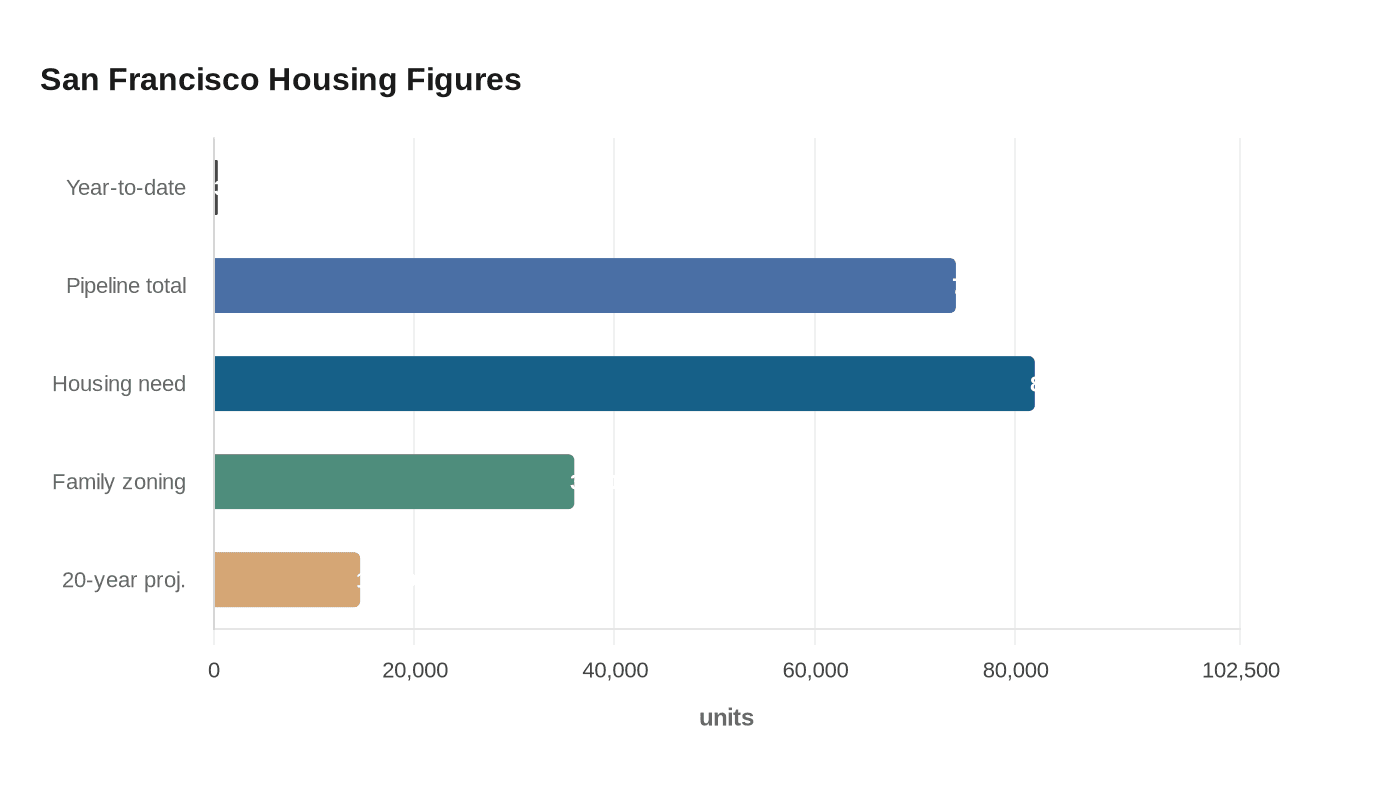
That pipeline matters because the city’s Housing Element, certified by the state in February 2023, requires capacity for about 82,000 new homes by 2031. City Hall has tried to answer that mandate with a mix of permitting reform and zoning changes, including the Housing for All strategy and PermitSF, which officials say is meant to cut red tape and speed approvals.
Mayor Daniel Lurie introduced Family Zoning legislation on June 24, 2025, describing it as a way to modernize parts of the Planning Code that are more than 50 years old and keep San Francisco in compliance with state law. The city says the new framework would create capacity for 36,000 units. But an October study from the Office of Economic Analysis, led by chief economist Ted Egan, projected the zoning change would generate only 14,600 new housing units at best over the next 20 years.
That gap leaves San Francisco with a familiar problem: a large theoretical pipeline, but too little visible housing reaching neighborhoods fast enough to change rents, enrollment pressures, or the daily reality for working families. With the Board of Supervisors still weighing how far to go on approvals, the city’s housing test is no longer about ambition alone. It is about whether San Francisco can actually deliver homes at a pace that keeps its educators, staff, and families from being priced out.
This article was produced by Prism’s automated news system from verified source data, official records, and press releases, then run through automated quality and moderation checks before publishing. The system is built and supervised by the people who set the standards it runs under. Read our full AI policy.
Did this article answer your question?