San Francisco police search for thief who fled in Waymo robotaxi
Police are searching for a suspect who allegedly used a Waymo to flee a Marina yoga-studio theft, testing how robotaxi records help investigators.

A suspected thief allegedly turned a Marina yoga-studio burglary into a driverless getaway, using a Waymo robotaxi to arrive at Hot 8 Yoga, steal clothing and then leave in the same autonomous car. The case is San Francisco’s first reported instance of a burglar using a robotaxi to escape a crime scene, and it puts the city’s new transportation normal in direct contact with old-fashioned property crime.
San Francisco police are searching for the suspect after the theft earlier this year, which was captured on the business’s security footage. TechCrunch reported June 4, 2026 that Waymo turned over the suspect’s account information under a search warrant, but investigators said that data did not lead them to the suspect. The key trail instead came from the footage showing the rider taking the Waymo to Hot 8 Yoga, committing the theft, and getting back into the robotaxi.
The episode lands in a neighborhood already familiar with Waymo’s presence. The Marina district has become one of the city’s most visible testing grounds for autonomous-vehicle life, and the theft followed an earlier January 2026 activewear burglary at the same Hot 8 Yoga location. That recurrence gives the case a sharper edge than a one-off oddity: it suggests robotaxis are now part of the routine mechanics of some crimes, not just a futuristic backdrop.
The larger question is what police can get from a company that sells itself as a driverless ride-hail service operating in San Francisco, Phoenix, Los Angeles and Austin. Waymo says its safety-impact hub is intended to support independent analysis of its performance data and that its materials compare the Waymo Driver’s crash rates with human benchmarks. But the Marina case shows that even when a company can identify an account, that information may not be enough to identify the person behind it.
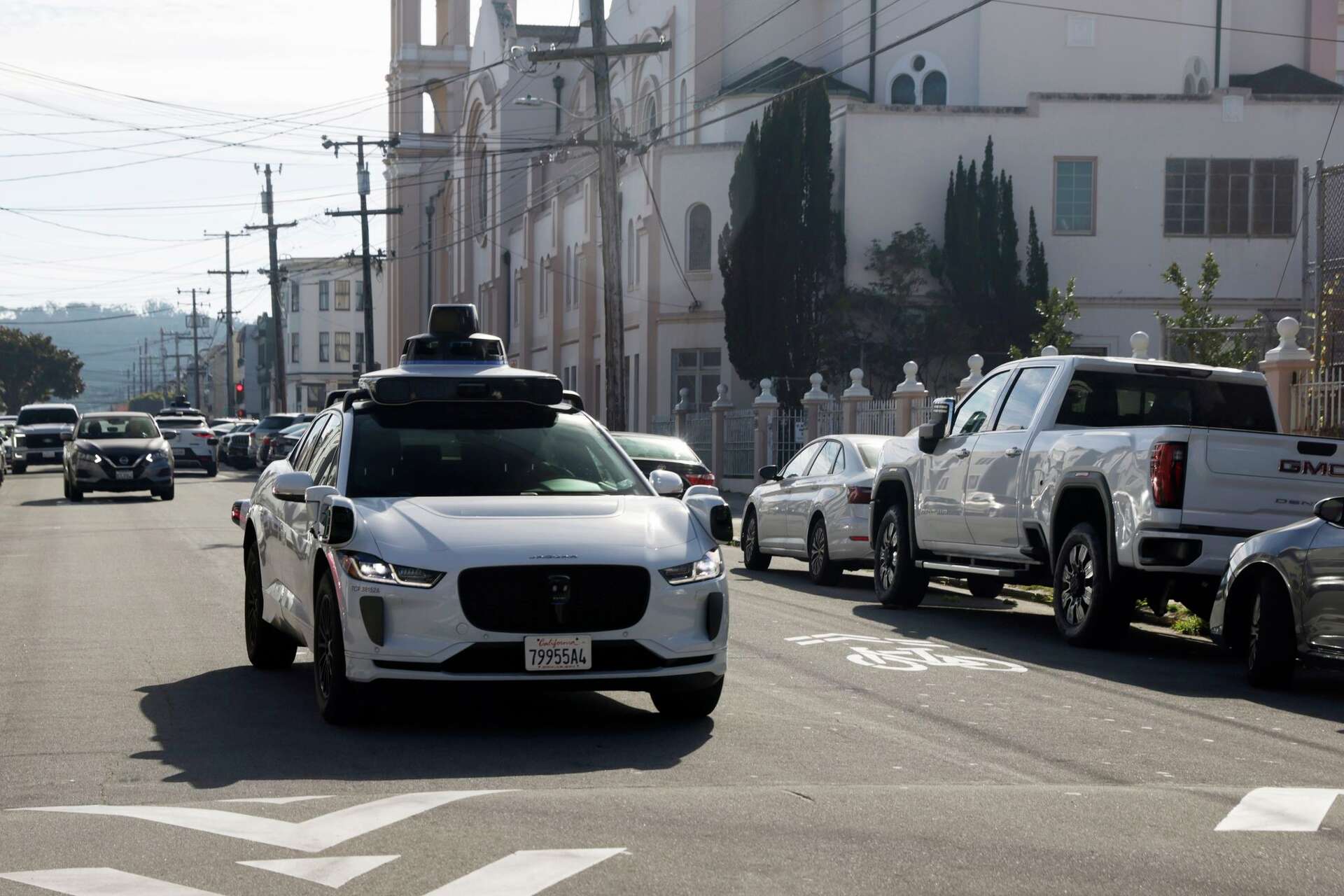
That matters in a city where Waymo has already become a flashpoint. CNN’s June 2026 reporting described hundreds of alleged incidents involving unsafe maneuvers and emergency-response complications in San Francisco, reinforcing the sense that robotaxis are not just a curb-space nuisance but a governance problem. SF.gov’s incident form for autonomous-vehicle reports asks for when and where the event happened, who and what was involved, and which company owns the vehicle, a sign that the city is still building the paperwork for a technology that now shows up in crime reports as well as traffic complaints.

Police have already treated Waymo data as evidence before. In July 2024, camera footage from a Waymo helped investigators in a separate San Francisco tire-slashing case involving 17 robotaxis. The Marina theft now pushes that precedent further, raising a harder question for San Francisco County: if a robotaxi can carry a suspect to and from a burglary, are the city’s rules and access protocols keeping up with how autonomous vehicles are actually being used?
This article was produced by Prism’s automated news system from verified source data, official records, and press releases, then run through automated quality and moderation checks before publishing. The system is built and supervised by the people who set the standards it runs under. Read our full AI policy.
Did this article answer your question?

