San Francisco scales monthly injectable buprenorphine for fentanyl users amid withdrawal risks
San Francisco has expanded monthly injectable buprenorphine for people using fentanyl to reduce cravings and improve retention, though initiation can cause severe withdrawal for some.
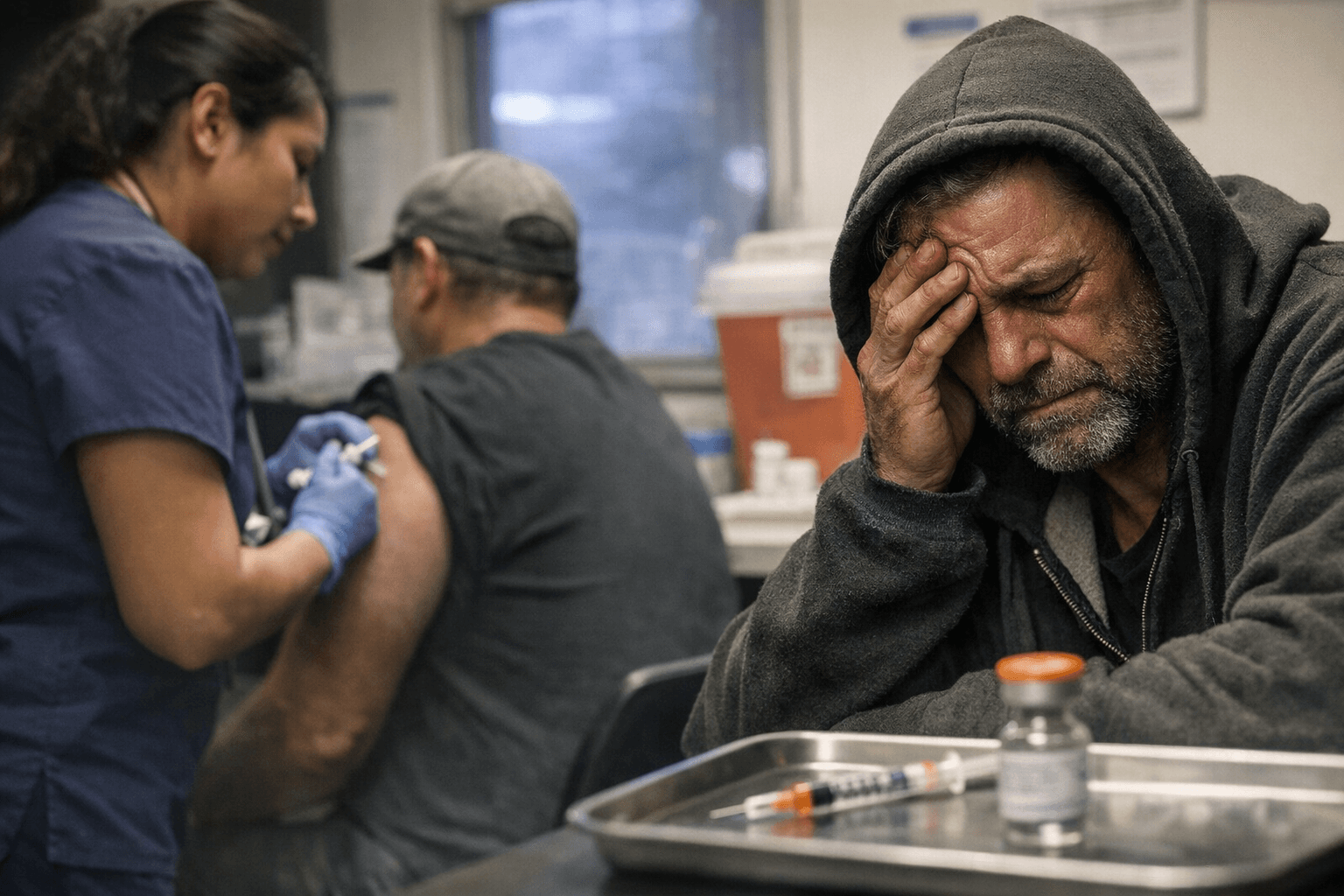
San Francisco providers have sharply scaled use of extended-release injectable buprenorphine, rolling out monthly injections across community clinics and correctional settings to reach people who use fentanyl. City health officials say the treatment can substantially reduce cravings and help patients stay in care compared with daily oral options, and the San Francisco Department of Public Health has recorded thousands of injections since 2024 as part of a broader overdose-prevention strategy.
The move reflects a local calculus: long-acting buprenorphine reduces the daily burden of taking medication, lowers the chance of missed doses, and can stabilize people who face chaotic housing or unpredictable schedules. Clinics report that retention in medication programs improves when patients receive a single monthly shot rather than juggling pills or daily visits, a practical advantage in neighborhoods where transportation and safety are constant concerns.
At the same time, clinicians warn that initiation requires careful management. For people using high-potency fentanyl, starting injectable buprenorphine can trigger intense withdrawal if timing and prior opioid use are not handled correctly. That risk has created access barriers: some patients decline the injectable option after learning about the possibility of severe withdrawal at induction, while others require alternative induction strategies or stepped approaches to avoid precipitated withdrawal.
San Francisco has moved to reduce those barriers by expanding availability in jails and for clients released from custody, integrating the monthly injections into reentry services to reduce the overdose risk that follows incarceration. Local clinics are also increasing clinician training and clinical capacity so staff can assess recent opioid exposure and tailor initiation plans. The city-wide scale-up ties into a larger public health effort that combines naloxone distribution, low-barrier treatment access, and harm reduction outreach aimed at communities hardest hit by fentanyl.
The clinical trade-offs are stark and practical. For some patients the monthly injectable is transformative: it removes daily pharmacy hurdles and dampens cravings that lead to street opioid use. For others, especially those using fentanyl regularly, the initial period can be destabilizing if the induction is not individualized. Equity concerns persist: people who distrust medical settings, who lack stable pre-induction windows free from fentanyl, or who have had prior traumatic withdrawal experiences may be less likely to accept the injectable option.
For San Francisco residents, the expansion means more treatment choices in the city’s overdose response toolbox and targeted efforts to link people leaving jail to continuity of care. Continued monitoring of outcomes, careful clinical protocols for induction, and outreach to communities wary of treatment will determine whether the promise of monthly buprenorphine translates into sustained reductions in overdose and improved health equity.
This article was produced by Prism’s automated news system from verified source data, official records, and press releases, then run through automated quality and moderation checks before publishing. The system is built and supervised by the people who set the standards it runs under. Read our full AI policy.
Did this article answer your question?