San Francisco shifts to Recovery First as homelessness, overdose crises deepen
City Hall is recasting homelessness and drug policy around recovery, with sober housing, tougher enforcement and new treatment beds reshaping the path off the street.

Recovery-first changes the route off the street
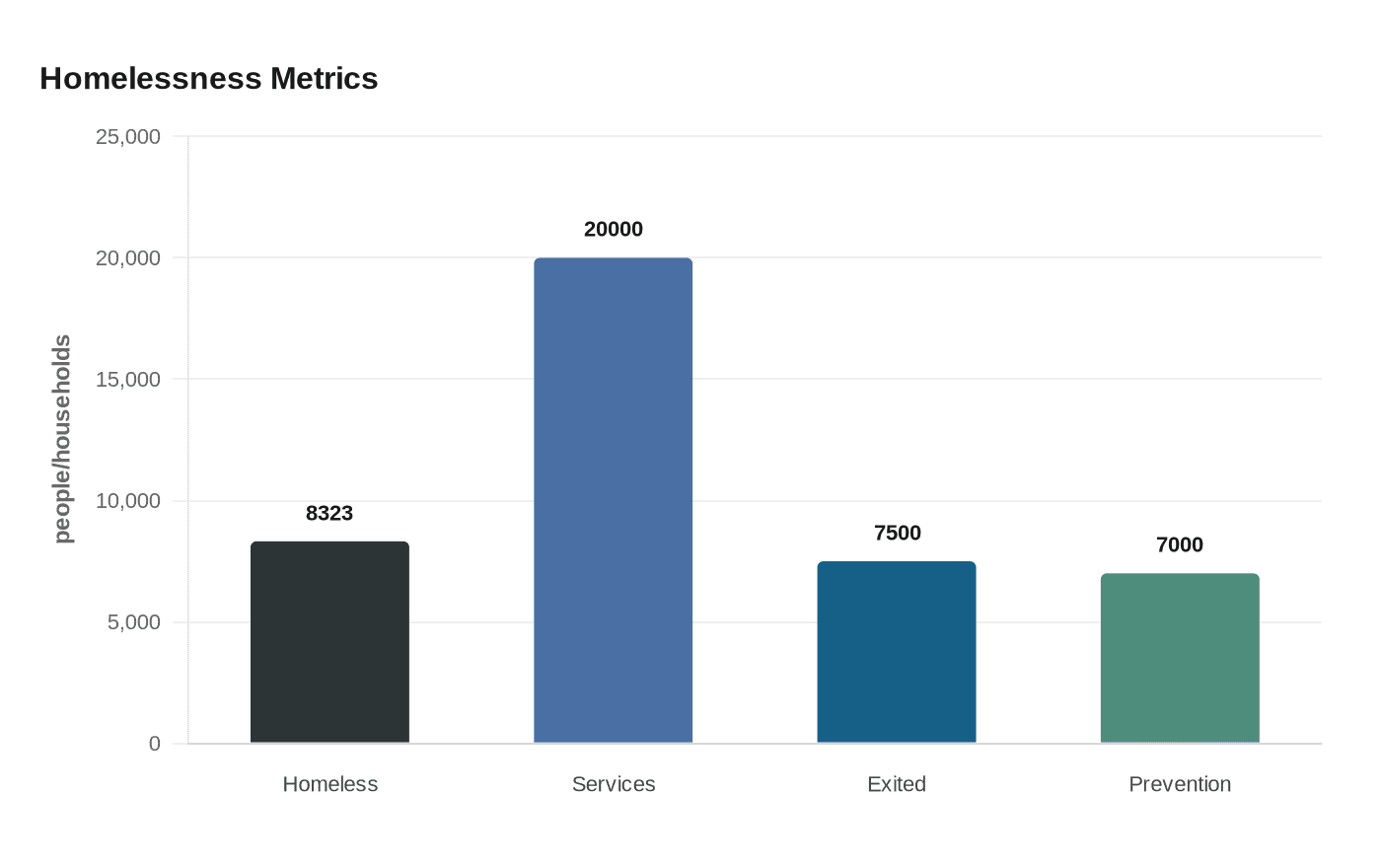
A person cycling from an encampment near Sixth Street to a shelter bed, then to a treatment waitlist and finally to housing is entering a different San Francisco than the one that built its reputation on Housing First and harm reduction. The city now says long-term remission through recovery is its primary substance use disorder goal, even as 8,323 people were counted as homeless on a single winter night and more than 20,000 people sought homelessness services over the course of a year.
That shift matters because the city’s housing pipeline is still under strain. Between the 2022 and 2024 Point-in-Time counts, more than 7,500 people exited homelessness through permanent supportive housing, rapid re-housing and housing problem-solving interventions, while over 7,000 households received prevention assistance to avoid losing housing altogether. In practical terms, San Francisco is asking whether the next person who leaves the street should be met first by low-barrier housing and harm reduction, or by a more explicitly recovery-focused system that expects sobriety, treatment and tighter behavioral limits.
City Hall has rewritten the policy goal
The clearest break came in spring 2025, when the San Francisco Board of Supervisors unanimously approved Recovery First and Mayor Daniel Lurie signed related legislation on May 23. The city’s new policy language makes long-term remission through recovery San Francisco’s primary substance use disorder goal, a change KQED described as largely symbolic but significant because it formally reframes how City Hall defines success.
Lurie’s administration paired that move with Breaking the Cycle, a plan that includes a new sober living site for people exiting homelessness who want a drug-free environment. The mayor also launched a $37.5 million private-funding campaign to support the approach. That combination is the real policy pivot: not an end to treatment or housing, but a recasting of what the city should prioritize when those systems intersect.
The city is also sending a broader signal that recovery can be built into housing itself. A newer sober-housing proposal from Supervisor Matt Dorsey would apply only to future permanent supportive housing, not the existing stock, and only to city-funded proposals or projects backed by abstinence-minded private funding. That means San Francisco is not forcing current supportive housing tenants into new rules, but it is changing the standards for what gets built next.

The politics are being driven from City Hall and Sixth Street
Dorsey has become the most visible architect of the shift, and he has tied the agenda to public disorder in the downtown core. Mission Local reported in January 2025 that he asked agencies to spell out what would be needed to maximize arrests and compulsory detox or treatment for drug-related lawlessness along Sixth Street and downtown. That is a clear departure from the older San Francisco instinct to treat open drug use mainly as a public health issue.
Lurie and Dorsey have enough alignment that the shift now has both executive and legislative momentum. The unanimous board vote matters too. It suggests this is not just a mayoral branding exercise, but an institutional move with support across City Hall, even if the policy details remain contested.
The stakes are not abstract for neighborhoods like the Tenderloin, South of Market and downtown. Those are the places where residents, merchants and people living in supportive housing are most likely to see the result of any new balance between treatment, shelter, enforcement and low-barrier services.
The overdose numbers cut both ways
San Francisco’s public health data gives supporters of the new direction an argument. In its December 2024 Overdose Prevention Plan update, the San Francisco Department of Public Health said fatal overdoses fell by more than 20% in the first ten months of 2024 compared with the same period in 2023, a drop that represented 159 fewer deaths.

At the same time, the city’s own data shows the crisis is still deeply unequal. Black and African American residents had an opioid overdose death rate more than five times the citywide rate. The same plan said the city had added 400 residential treatment and care beds and more than tripled street care workers since the 2022 overdose plan, which is an argument for more treatment capacity, not less.
That is the evidence City Hall appears to be embracing as it talks more about remission, recovery and drug-free environments. Supporters of the older model say those numbers do not justify weakening harm reduction, especially when treatment access remains uneven and overdose death rates remain starkly racialized.
Harm reduction is not disappearing, but it is being narrowed
San Francisco has not abandoned harm reduction. It has instead started mixing it with a more selective, housing-based model. KQED reported in September 2025 that the city was expanding harm-reduction efforts inside permanent supportive housing buildings such as The Margot while scaling back other street-level programs. The city also gave its peer-responder program an additional $600,000 over five years.
That peer model has a local track record City Hall is clearly not ignoring. The program began in 2021 with five people at the Minna Lee building, and a staffer quoted by KQED said the intervention coincided with multiple years of zero fatal overdoses at that site. The message is not that harm reduction failed everywhere. It is that officials increasingly want it embedded inside housing, rather than spread broadly across the street.
The latest warning sign for that strategy came in an April 2026 Mission Local report saying 26% of San Francisco overdose deaths between June 2024 and July 2025 occurred in permanent supportive housing. That figure will likely intensify pressure to regulate drug use more tightly inside housing, even as providers caution that people need support rather than eviction to stay alive.
What the evidence base says about Housing First
The policy dispute is really about whether San Francisco is backing away from Housing First as a governing principle. Peer-reviewed reviews describe Housing First as an evidence-based model that provides housing without requiring sobriety first, and they find it especially effective at improving housing stability for people with mental illness and addiction. The research is more mixed on substance-use outcomes, but the housing result has been the core of the model’s success.
That is why Laura Thomas of the San Francisco AIDS Foundation drew a bright line when the debate intensified: “recovery can begin in many places, not only through abstinence-first rules.” Her argument reflects the broader warning from Housing First advocates, who say the city risks replacing a model built to keep people housed during instability with one that may be easier to explain politically but harder to sustain for the most vulnerable residents.
A citywide test of what success means
The larger context is that San Francisco is no longer treating homelessness and overdose as separate policy silos. The city now has a tighter definition of success, one that reaches from street outreach to shelter, from treatment beds to sober housing, and from permanent supportive housing to enforcement in the Tenderloin and downtown.
That makes the current fight bigger than one ordinance or one mayor. San Francisco is testing whether a city long known for Housing First and harm reduction can pivot toward abstinence, remission and more coercive public-order tools without losing the hard-won gains that moved thousands indoors. The answer will shape not just City Hall policy, but the daily route from the street to shelter to housing for the next person trying to survive in San Francisco.
This article was produced by Prism’s automated news system from verified source data, official records, and press releases, then run through automated quality and moderation checks before publishing. The system is built and supervised by the people who set the standards it runs under. Read our full AI policy.
Did this article answer your question?