San Francisco subsidies help close Mission co-op daycare
San Francisco’s childcare subsidies made care cheaper for many families, but they also priced out Puddle Jumpers, a Mission co-op built on parent labor.

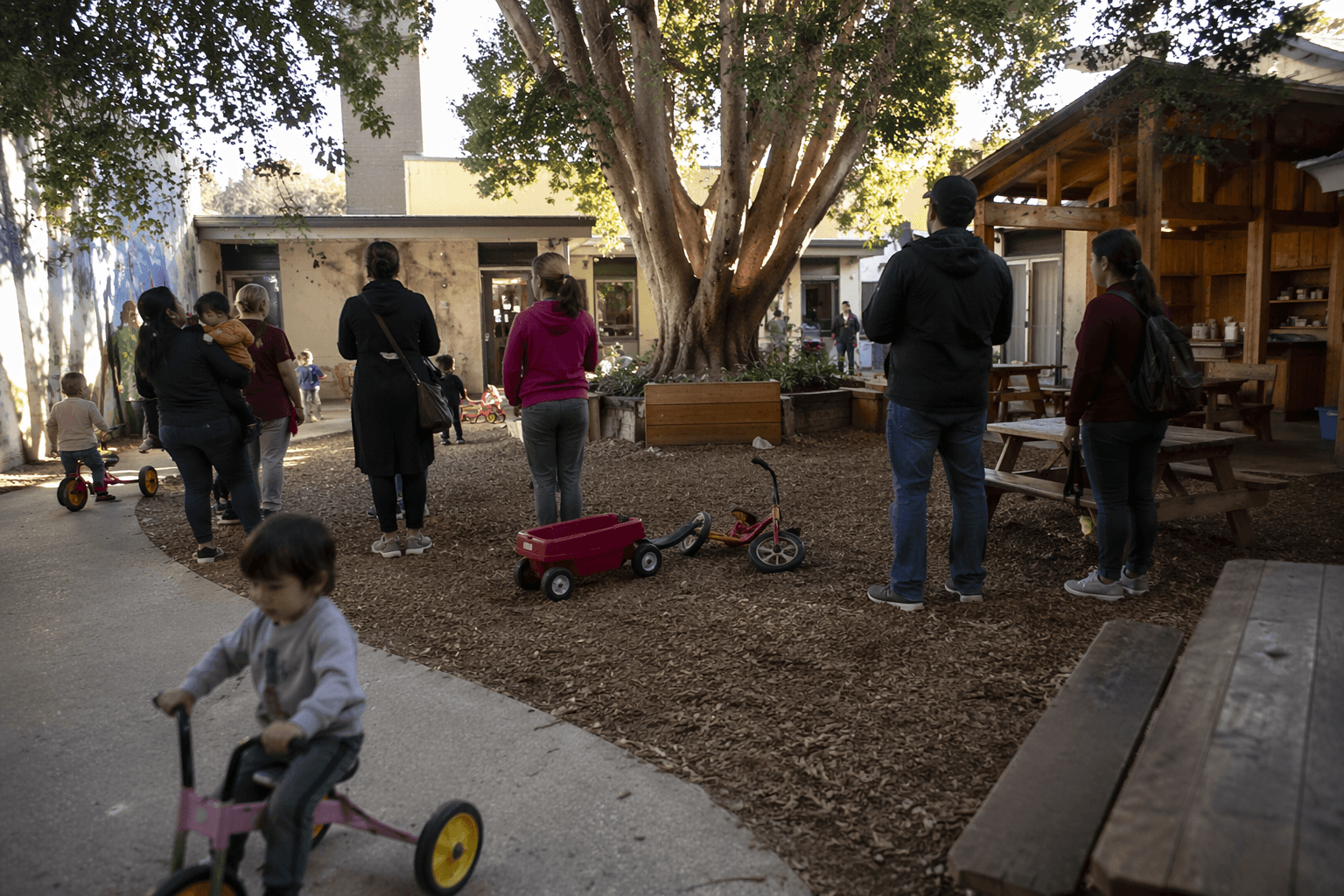
Puddle Jumpers closed in the Mission District after San Francisco’s expanded childcare subsidies made it harder for the parent-run co-op to compete with licensed programs that did not require families to do the work themselves. The school, housed in the Polish Club at Shotwell and 22nd streets, had served children ages 18 to 36 months and was one of the neighborhood’s rare cooperative daycares.
Its model came from Little People’s Workshop, a Noe Valley childcare co-op founded in 1975. Puddle Jumpers was founded in 2008 by families from that school after Little People’s lost its lease, and it kept costs down by asking parents to handle finances, legal matters, staffing, enrollment and daily operations. That arrangement kept tuition within reach for families with very young children, but it also functioned like a second job for the adults who kept it alive.
The city’s Early Learning For All system changed that equation. The Department of Early Childhood says most San Francisco families now qualify for free or reduced tuition through the program, which includes more than 500 providers across family child care homes, centers, Head Start sites and San Francisco Unified School District early education schools. The city says free tuition is available for families earning up to 110% of area median income, and San Francisco’s 2026 childcare expansion is adding more than 550 child care spaces citywide, with free care for some families earning under 150% of area median income and a 50% subsidy for some earning up to 200%.
Those changes helped many parents, but they also made it difficult for Puddle Jumpers to keep enough families enrolled. Once parents could get cheaper care elsewhere without taking on co-op labor, the Mission school could no longer fill its seats. The closing left the neighborhood with one less option for infants and toddlers, a stage of care that is often the hardest and most expensive to secure in San Francisco.
The loss goes beyond one classroom. Puddle Jumpers represented a childcare culture that depended on shared responsibility, neighborhood ties and a willingness to trade time for affordability. In a city now spending more than $180 million annually on affordable early care and education, plus more than $40 million a year to raise subsidy rates, the school’s end shows how public support can strengthen access while still wiping out the small, labor-heavy institutions that once helped working families stay in the city.
This article was produced by Prism’s automated news system from verified source data, official records, and press releases, then run through automated quality and moderation checks before publishing. The system is built and supervised by the people who set the standards it runs under. Read our full AI policy.
Did this article answer your question?