San Francisco Teens Share Survivor Stories, Call for Alternatives to Violence
San Francisco teens shared survivor accounts of shootings and arrests and urged more prevention programs, mental-health support, and alternatives to retaliation and incarceration.
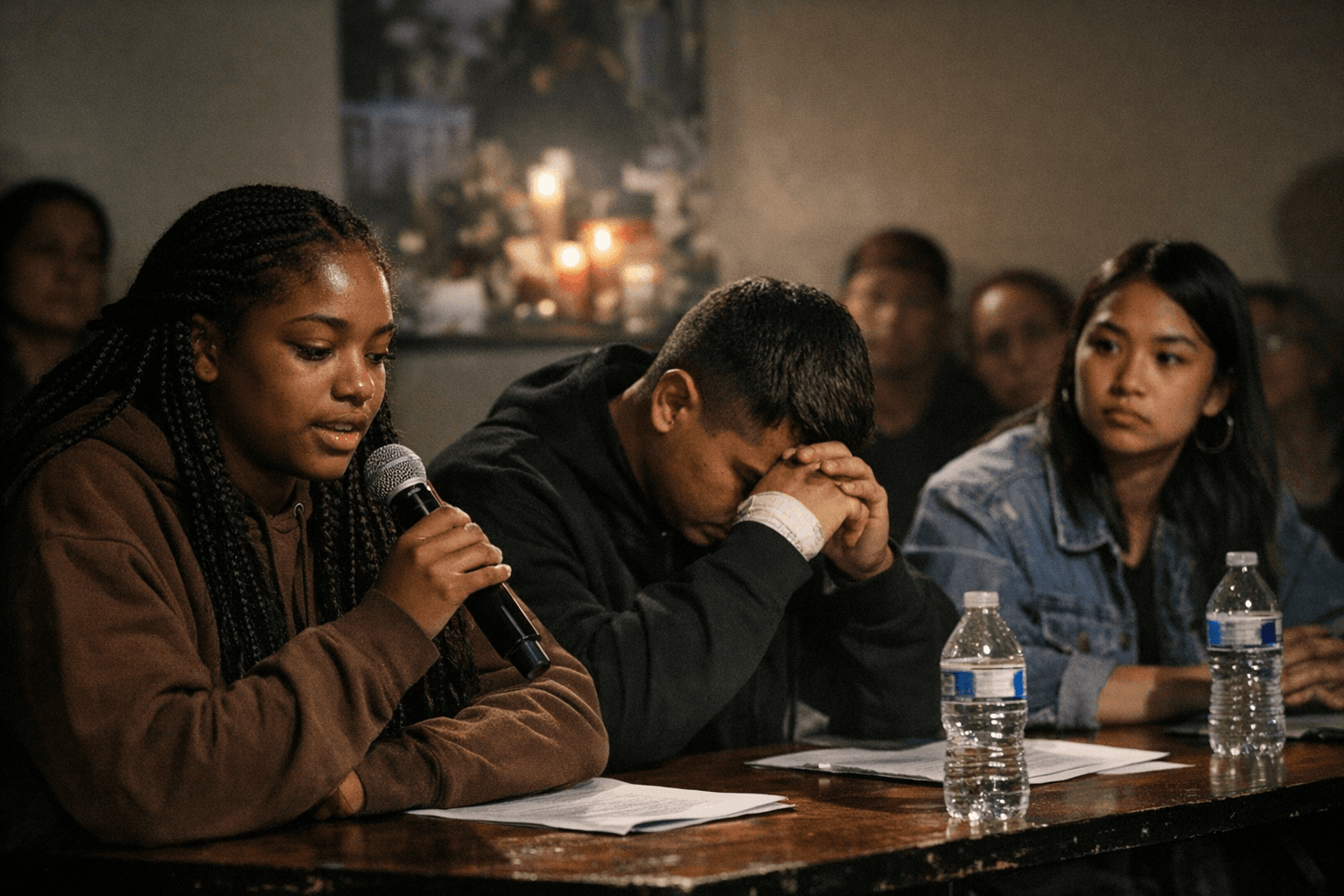
San Francisco-area teenagers who have survived shootings or been jailed in weapons-related incidents described a pattern of retaliation, social-media escalation, and unmet mental-health needs that they say drives youth gun violence across the county. Their first-person accounts, collected in interviews on January 21, 2026, put pressure on local leaders and service providers to expand prevention and alternatives to punitive responses.
Several young people recounted direct, life-changing injuries. One teen shot at Burton High suffered a shattered femur and months of recovery. Other participants described stints in juvenile detention tied to weapons incidents, and many described the cumulative impact of exposure to violence on school attendance, family stability, and future prospects. Youth emphasized that social media amplifies conflicts, turning minor disputes into public contests that invite retaliation and raise the stakes for survival.
Public-health and academic experts interviewed alongside the young people framed youth gun violence as a public-health problem rather than solely a criminal-justice issue. That framing places emphasis on prevention, mental and behavioral health services, community-based alternatives, and programs that interrupt cycles of retaliation before they escalate. Local prevention groups such as United Playaz were cited as active interventions that work directly with young people on conflict mediation, mentorship, and re-entry support for those leaving custody.
The accounts point to an institutional gap: schools, mental-health systems, and community programs are frequently stretched thin while the juvenile justice approach remains the default response for many incidents. Youth described mixed outcomes when law enforcement and schools intervened, and they called for more consistent access to counseling, restorative justice processes, and credible messengers who can de-escalate conflicts in neighborhood networks.
The local impact is immediate. Surviving students and peers face disrupted education, medical bills, and trauma that affects attendance and long-term economic mobility. Families report fear and pressure to choose between seeking protection and risking criminalization. Prevention programs operate with limited budgets tied to competitive grants and philanthropic cycles, creating uneven coverage across San Francisco neighborhoods.
Policy implications are clear for county supervisors, the San Francisco Unified School District, and healthcare and public-safety agencies: invest in evidence-based prevention, expand school-linked mental-health services, and coordinate data-sharing between public-health and juvenile justice systems to target high-risk situations before they turn violent. Advocates argue these shifts could reduce reentry into detention and lower the number of shootings among youth.
For readers, these accounts underline that youth gun violence in San Francisco is not isolated incidents but a complex local public-health challenge with solutions rooted in prevention and community investment. Expect debates in the coming months over budget priorities, program expansion, and whether county leaders will reorient resources toward alternatives to violence.
This article was produced by Prism’s automated news system from verified source data, official records, and press releases, then run through automated quality and moderation checks before publishing. The system is built and supervised by the people who set the standards it runs under. Read our full AI policy.
Did this article answer your question?