San Francisco weighs tax on vacant grocery and pharmacy storefronts
Dalda’s Community Market in the Tenderloin underscores why San Francisco wants to tax empty grocery and pharmacy spaces: nearly a third of low-income residents are food insecure.
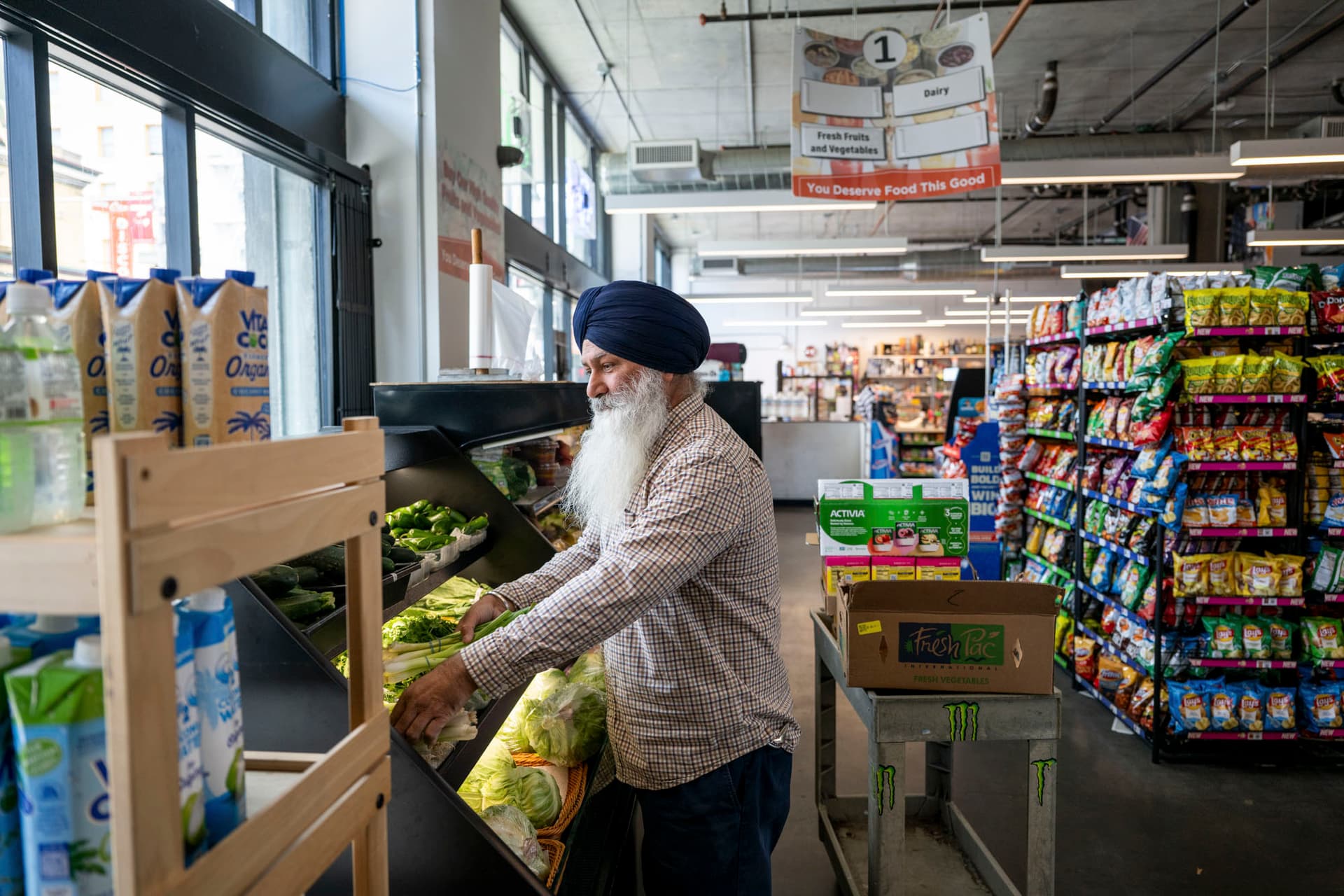
In the Tenderloin, where a corner market can mean the difference between a quick dinner run and a cross-city trip, San Francisco is weighing two ballot measures meant to make groceries and pharmacy access cheaper and more durable. The package would tax vacant grocery and pharmacy storefronts and offer incentives and credits to bring new operators into those spaces.
Supervisor Bilal Mahmood is behind the proposal, which is aimed at a stubborn problem that shows up block by block across the city: residents in some neighborhoods still have to travel far just to buy food or fill prescriptions. At Dalda’s Community Market in the Tenderloin, the sight of produce being stocked offers a direct counterpoint to the city’s retail gaps and to the risk that one empty lease can leave a neighborhood with no convenient option at all.

The measures are designed to push back against what supporters call zombie stores, storefronts where a landlord or chain holds the lease but does not let another operator take over. Under the vacancy tax proposal, the penalty would apply only to stores that are already operating in San Francisco, with the goal of discouraging chain retailers from abandoning locations and leaving them dark. The companion measure would try to make the space financially workable for independent grocers and pharmacies, giving them a better shot at moving into sites that might otherwise sit empty.
The policy debate is about more than supermarket politics. Nearly a third of San Franciscans living below the poverty line are food insecure, a figure that puts hard numbers behind the daily strain in neighborhoods where basic retail is thin on the ground. In places like the Tenderloin, the question is not just whether the city can attract more storefronts, but whether those stores will stay open long enough to matter to residents who need affordable food and prescriptions close to home.
That is why the measures are being framed as both a food-access strategy and a small-business strategy. If the city can make vacancies expensive and re-tenanting easier, supporters argue, more independent operators could move into spaces that are now stuck in limbo. If it cannot, San Francisco may be left with the same retail deserts, only with a new tax attached.
This article was produced by Prism’s automated news system from verified source data, official records, and press releases, then run through automated quality and moderation checks before publishing. The system is built and supervised by the people who set the standards it runs under. Read our full AI policy.
Did this article answer your question?