SF Ballet Gala Revives Stars and Stripes, Virtuosity Amid Political Tension
SF Ballet revived Balanchine’s Stars and Stripes at its season-opening gala, drawing praise for virtuosic dance and debate over a patriotic work amid contemporary political tensions.
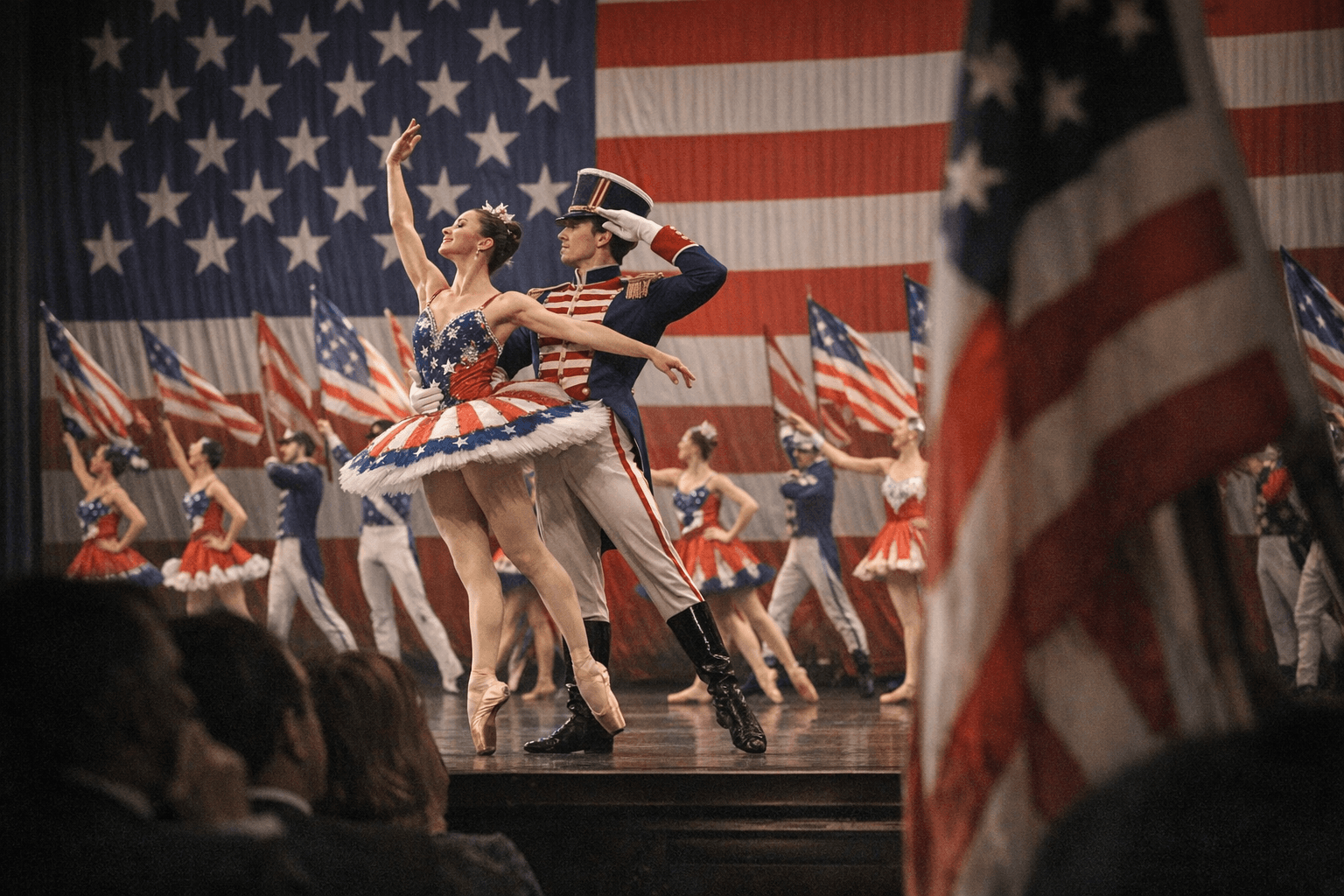
The San Francisco Ballet opened its 2026 season with a gala that staged George Balanchine’s Stars and Stripes as a centerpiece revival timed to the nation’s 250th anniversary, producing spectacle, technical bravura, and uneasy cultural resonance. Reviewers who attended the Jan. 14 gala and published a review Jan. 15 noted a program that married flashy patriotism with modernist and neoclassical pieces, prompting discussion about how Cold War-era choreography reads today.
On the artistic level the evening was a reminder of the company’s technical strengths. The program featured high-speed footwork, corps synchronization, and dramatic pas de deux that underscored the dancers’ athleticism and musical precision. Critics singled out the company’s ability to move from Ashton-like lyricism to works that felt Forsythe-adjacent, showing range across classical and contemporary idioms. For regular patrons and first-time gala attendees alike, the result was an intoxicating display of virtuosity that affirmed San Francisco Ballet’s place among leading American companies.
Yet the gala’s centerpiece also provoked questions. Stars and Stripes, created in the 1950s and steeped in patriotic iconography, landed differently in a city and region currently engaged in sharp debates over immigration, identity, and civic values. For many in the audience the choreography felt at once celebratory and oddly anachronistic - colorful and exuberant, but when viewed through a 2026 lens, occasionally incongruous with the Bay Area’s political climate. The juxtaposition of works on the bill highlighted programming choices that intersect with public discourse and civic identity.
The gala also served as a commercial and cultural bellwether for the season. With a new production of Eugene Onegin set to open Jan. 23, the company is signaling a mix of repertory that leans on narrative classics while experimenting with contemporary movement languages. That programming balance matters to local audiences, donors, and the broader performing-arts economy in San Francisco: season openers shape subscription renewals, philanthropic support, and attendance patterns for months to come.
For San Francisco residents the evening offered more than entertainment. It was a prompt to consider how civic celebrations are staged in public culture and how major institutions negotiate artistic heritage amid shifting political currents. As the company moves from gala spectacle into a packed season, those choices will influence not only the artistic profile of the Ballet but also its role in broader conversations about community, identity, and what it means to mark national milestones in a diverse city.
This article was produced by Prism’s automated news system from verified source data, official records, and press releases, then run through automated quality and moderation checks before publishing. The system is built and supervised by the people who set the standards it runs under. Read our full AI policy.
Did this article answer your question?