SFUSD chief declines age limit on drag queen story hour question
Maria Su would not name an age for drag queen story hour as SFUSD faced a Justice Department review and fresh questions about school guidance.

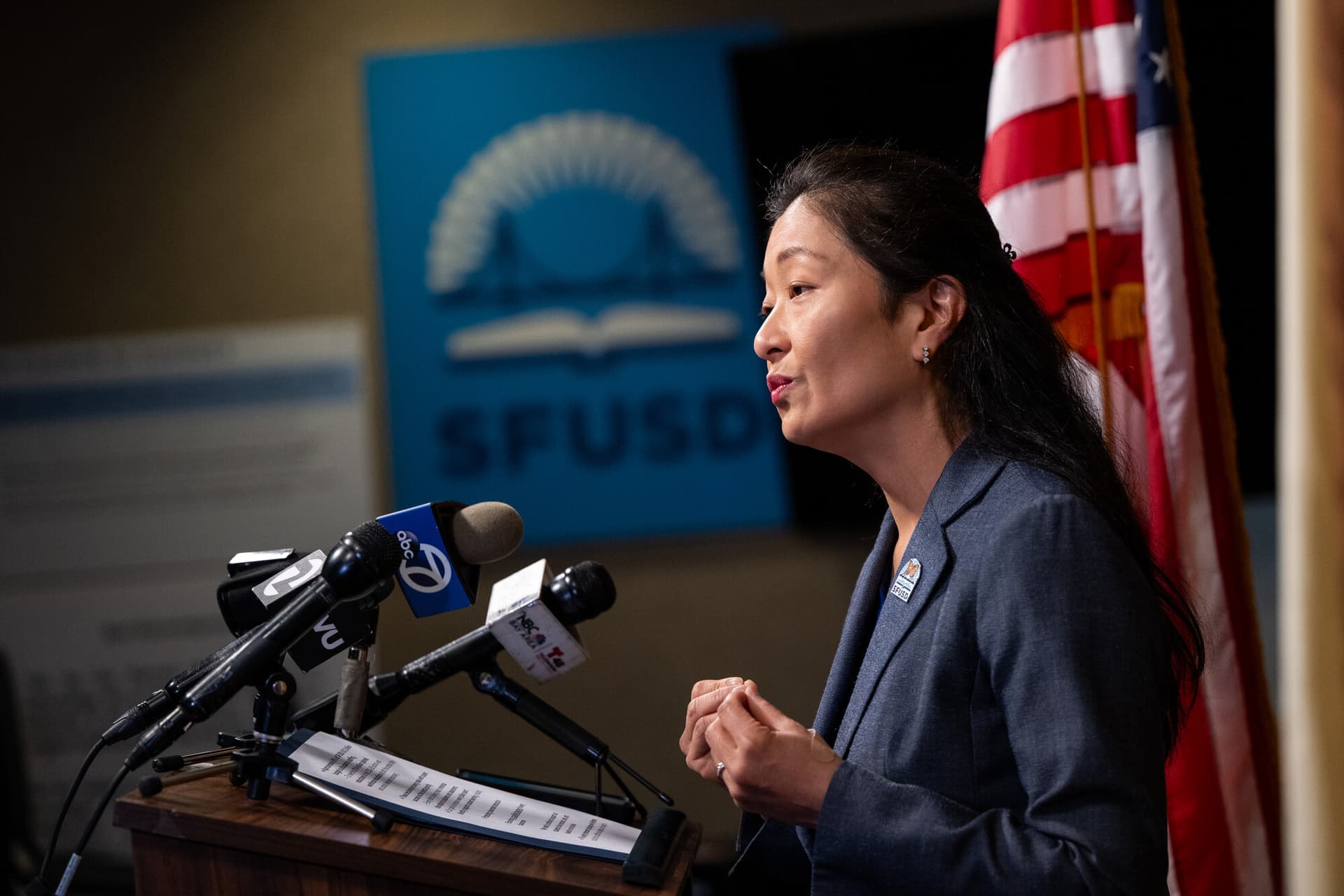
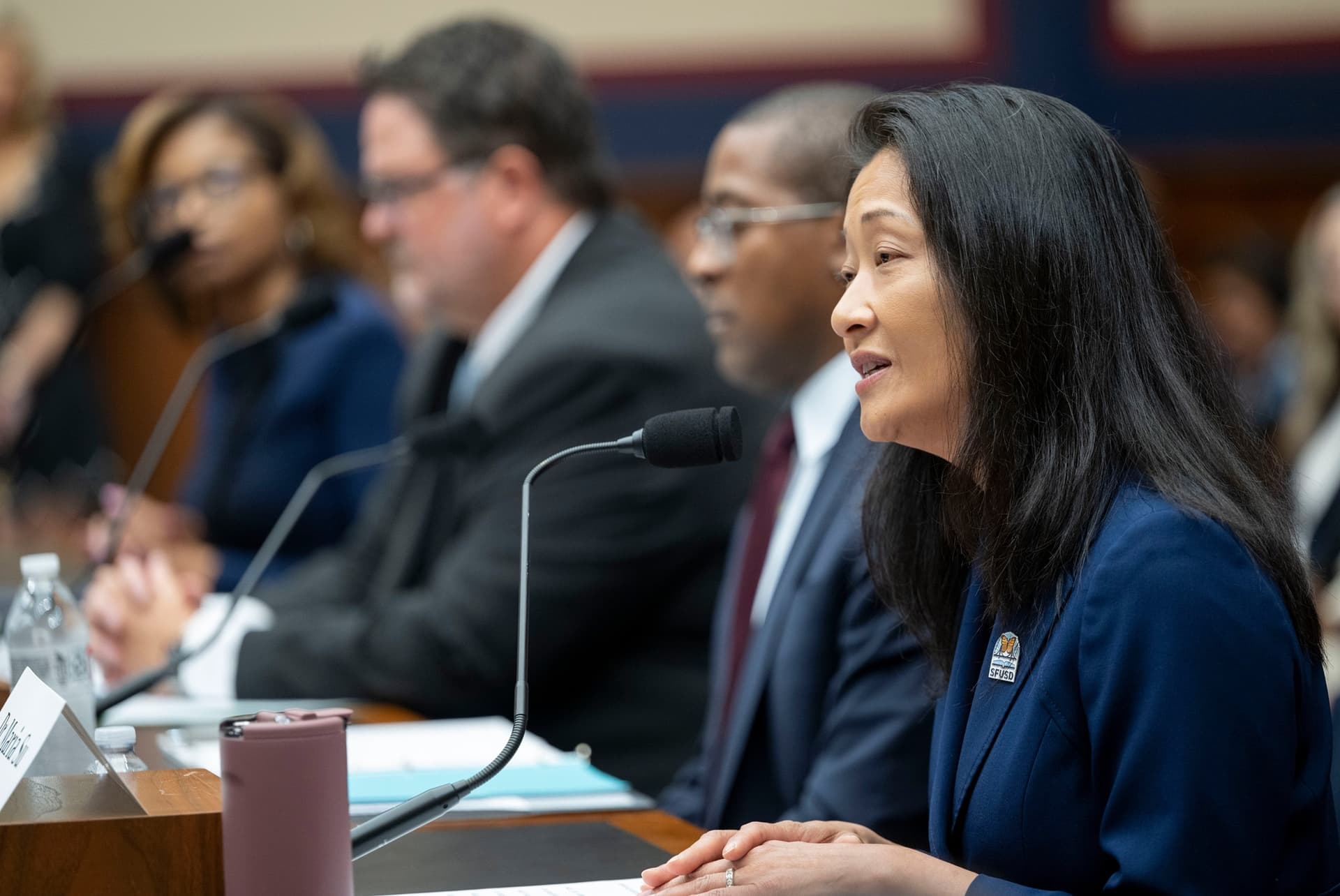
Parents trying to understand what happens in San Francisco Unified classrooms still do not have a clear age line from the district’s top official. At a House Education and Workforce Committee hearing in Washington, D.C., Superintendent Maria Su declined to specify when students should be exposed to drag queen story hour, even as SFUSD faces outside scrutiny over curriculum and parents’ rights.
Rep. Tim Walberg, R-Mich., pressed Su during the June 10 hearing, titled Breaking Trust: Attacks on Parental Rights, Inappropriate Content, and Legal Abuses in America’s Schools. The committee later said Su failed to give an age she thought was appropriate. For a district that says she oversees about 49,000 students and a budget of roughly $1.2 billion, the unanswered question matters well beyond Capitol Hill, because families are left without a clear policy line on age, setting, notice, or opt-out rules.

The exchange came just two days after the U.S. Department of Justice opened a compliance review on June 8 into SFUSD and three other California districts, Graves Elementary School District, Santa Rita Union School District, and Soledad Unified School District. The review focuses on instruction on sexual orientation and gender ideology in grades pre-K through 12, along with related parents’ rights and opt-out policies. SFUSD’s Student and Family Handbook is also being updated for the 2026-27 school year, adding another layer of uncertainty for parents looking for written guidance.
The San Francisco angle is hard to miss. Drag Story Hour began here in 2015, created by author Michelle Tea and RADAR Productions under the leadership of Julián Delgado Lopera and Virgie Tovar. The first San Francisco chapter took root at the Harvey Milk Memorial Branch of the San Francisco Public Library before expanding nationally and internationally. Supporters have long described the program as literacy-based and age-appropriate, while critics have argued it belongs in a broader debate over school content and parental rights.
The hearing also fits a wider pattern of pressure on SFUSD. In 2025, the district paused its homegrown ethnic studies curriculum for an audit after controversy. Now, with federal scrutiny on one side and an unresolved public answer from its superintendent on the other, the district is again being asked to explain how it sets boundaries for students, parents, and schools.
This article was produced by Prism’s automated news system from verified source data, official records, and press releases, then run through automated quality and moderation checks before publishing. The system is built and supervised by the people who set the standards it runs under. Read our full AI policy.
Did this article answer your question?