SFUSD superintendent defends trans student, ethnic studies policies in Congress
Dr. Maria Su defended SFUSD’s trans student and ethnic studies policies in a House hearing as the district faced a new Justice Department review.

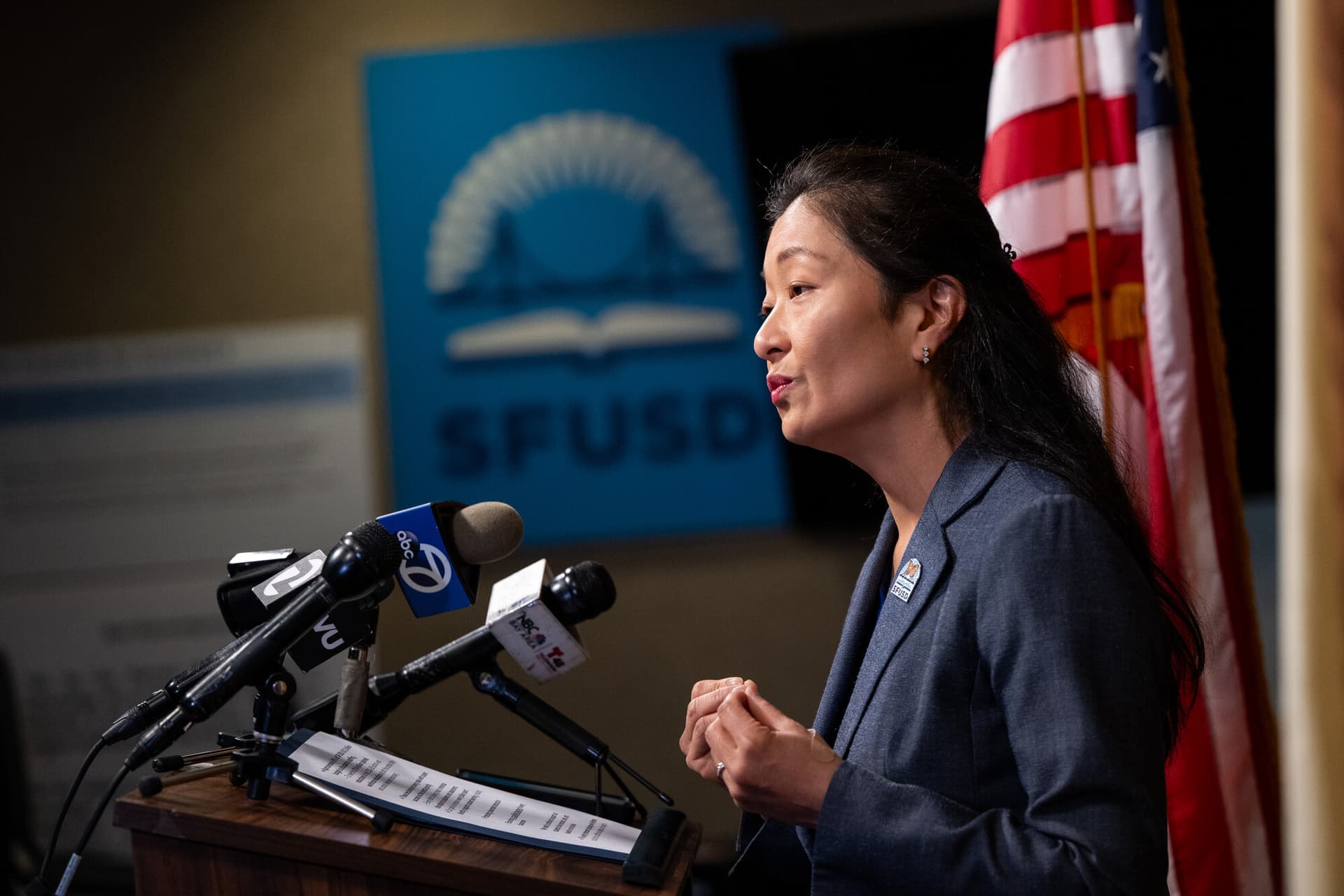
San Francisco Unified School District Superintendent Dr. Maria Su spent hours in Washington defending policies that could shape how SFUSD handles transgender students, classroom content and family communications in the city’s public schools. The hearing added federal scrutiny at a moment when the district is already under pressure over budgets, staffing and a teachers strike.
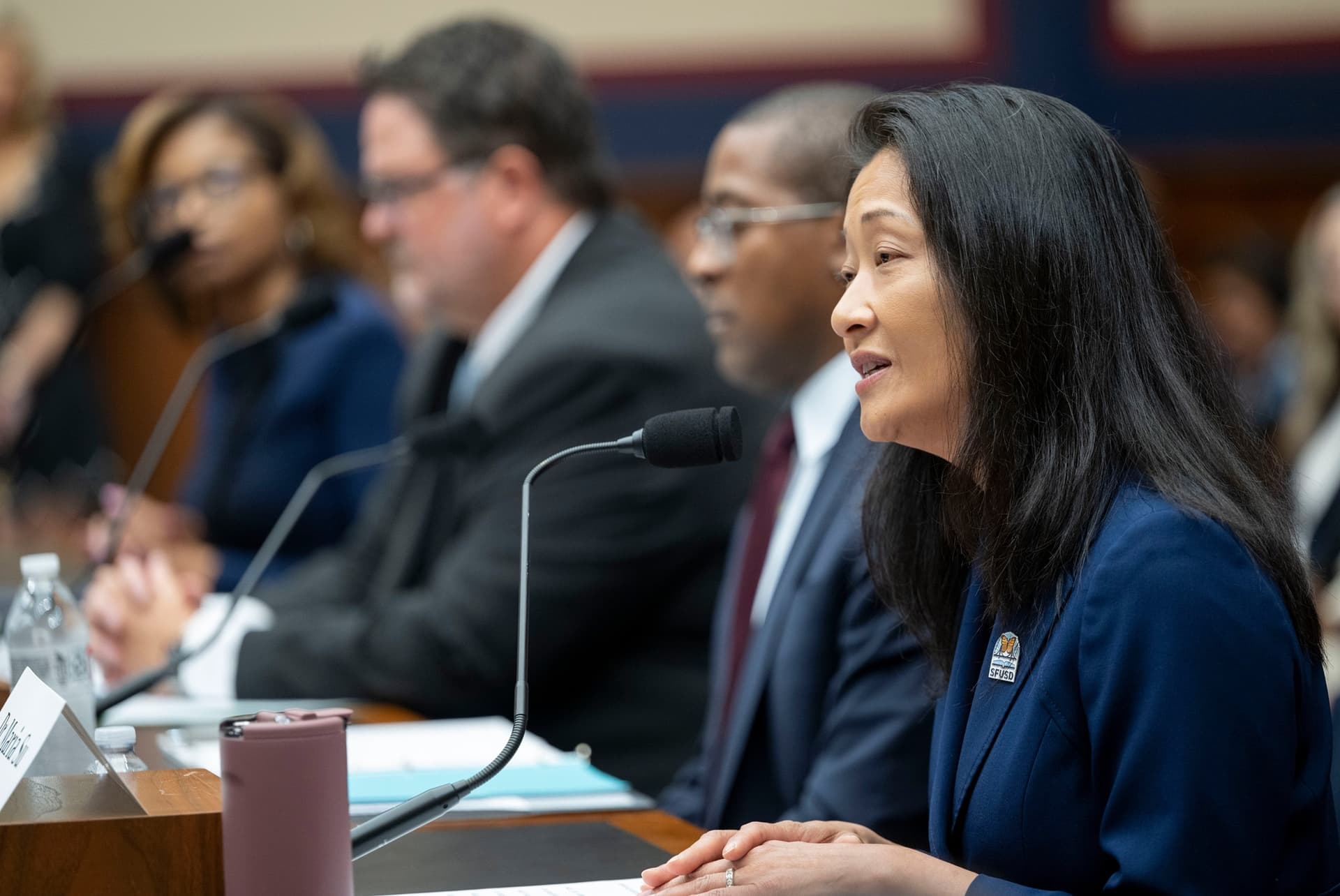
The House Committee on Education and the Workforce, chaired by Rep. Tim Walberg, R-Mich., held the hearing June 10 in Rayburn Room 2175 and cast it as a test of parental rights, inappropriate content and legal abuses in schools. Alongside Su, the panel heard from Dr. Macquline King of Chicago Public Schools, Dr. Aaron Spence of Loudoun County Public Schools and Johnathan Smith of the National Center for Youth Law. Much of the questioning centered on Chicago, but San Francisco was firmly part of the broader fight over transgender student policies and what schools may teach about race, gender and sexuality.
For SFUSD, the timing was especially sensitive. The U.S. Department of Justice announced a compliance review June 8 into SFUSD and three other California districts over instruction on sexual orientation and gender ideology in pre-K through 12th grade. SFUSD is the largest of the California districts named in that review, with more than 55,000 students, making any federal findings potentially consequential for district policy, staff training and parent-facing guidance.

Su’s written testimony framed her role around basics that San Francisco families know well: helping students become strong readers, effective writers and confident mathematical thinkers. But the hearing pulled her into a national argument that now reaches directly into local classrooms, where ethnic studies lessons and student identity policies have become flashpoints.
That local controversy has been building for months. SFUSD announced a comprehensive ethnic studies plan June 30, 2025 for the 2025-26 school year, and the rollout drew criticism after Parents Defending Education published excerpts of lesson materials in 2026. Those excerpts helped fuel the scrutiny that later reached Congress, turning a San Francisco curriculum decision into a national political target.
For San Francisco parents and teachers, the real question now is not whether the hearing was partisan, but whether it accelerates a concrete policy response. The hearing itself did not rewrite SFUSD rules, but it placed the district under a brighter national spotlight just as federal investigators began examining its practices. That combination gives the district real legal and policy risk, and it could force more formal explanations, tighter review of instructional materials and more public conflict over how SFUSD balances student support with parent concerns.
This article was produced by Prism’s automated news system from verified source data, official records, and press releases, then run through automated quality and moderation checks before publishing. The system is built and supervised by the people who set the standards it runs under. Read our full AI policy.
Did this article answer your question?