SFUSD to launch nation’s largest bidirectional electric school bus fleet
SFUSD’s new electric bus fleet is designed to do two jobs: move students and push power back to San Francisco’s grid when demand spikes.
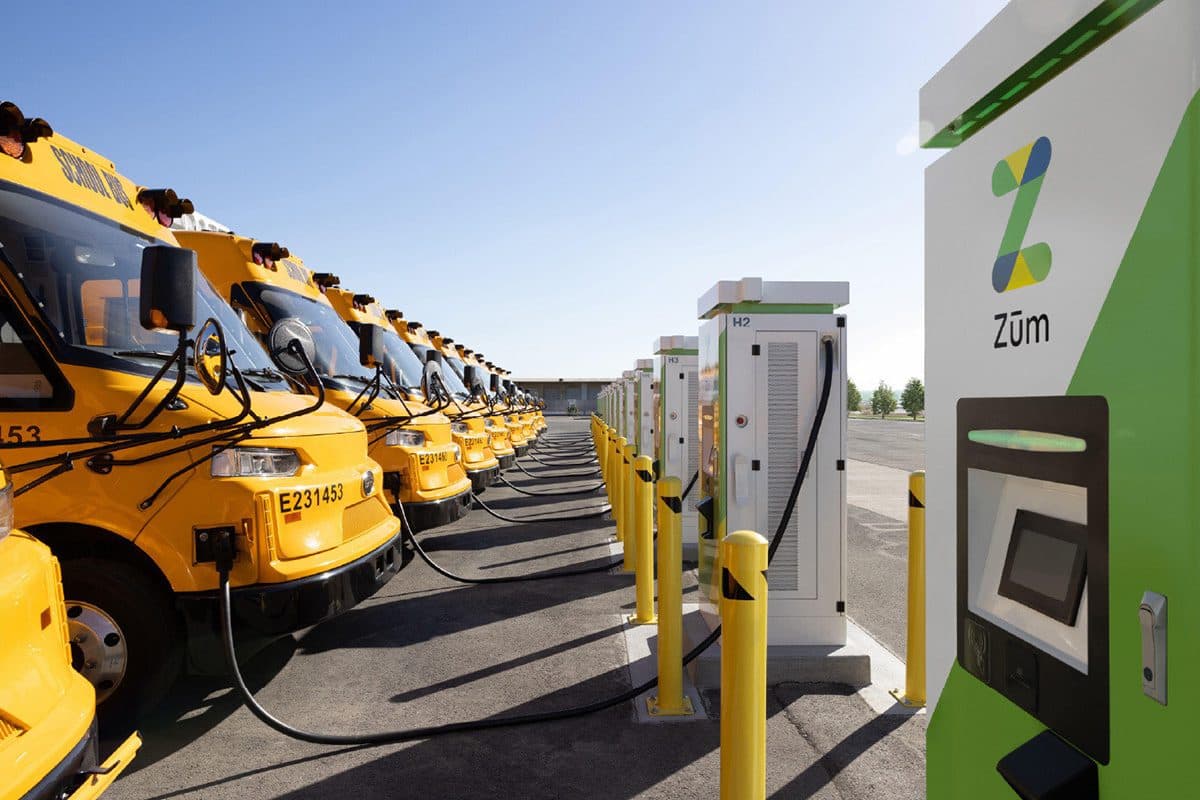
San Francisco Unified is turning school transportation into a local energy asset. The district’s new bidirectional electric bus fleet, billed by Zūm as the largest in the United States, is set up to do more than cut tailpipe pollution: its chargers can send power back to the grid during peak demand and, in theory, help keep the lights on during outages.
Zūm said the first phase will put 104 electric school buses on San Francisco streets in August 2026, with the fleet growing to 238 electric vehicles with bidirectional charging by the 2027-28 school year. The company said the system could return about 3 gigawatt-hours of clean energy to the local grid each year, enough to power 1.2 million homes for three to four hours. That makes the rollout a test case for whether a dense urban district can use its buses as part of the city’s energy infrastructure, not just its student transit network.
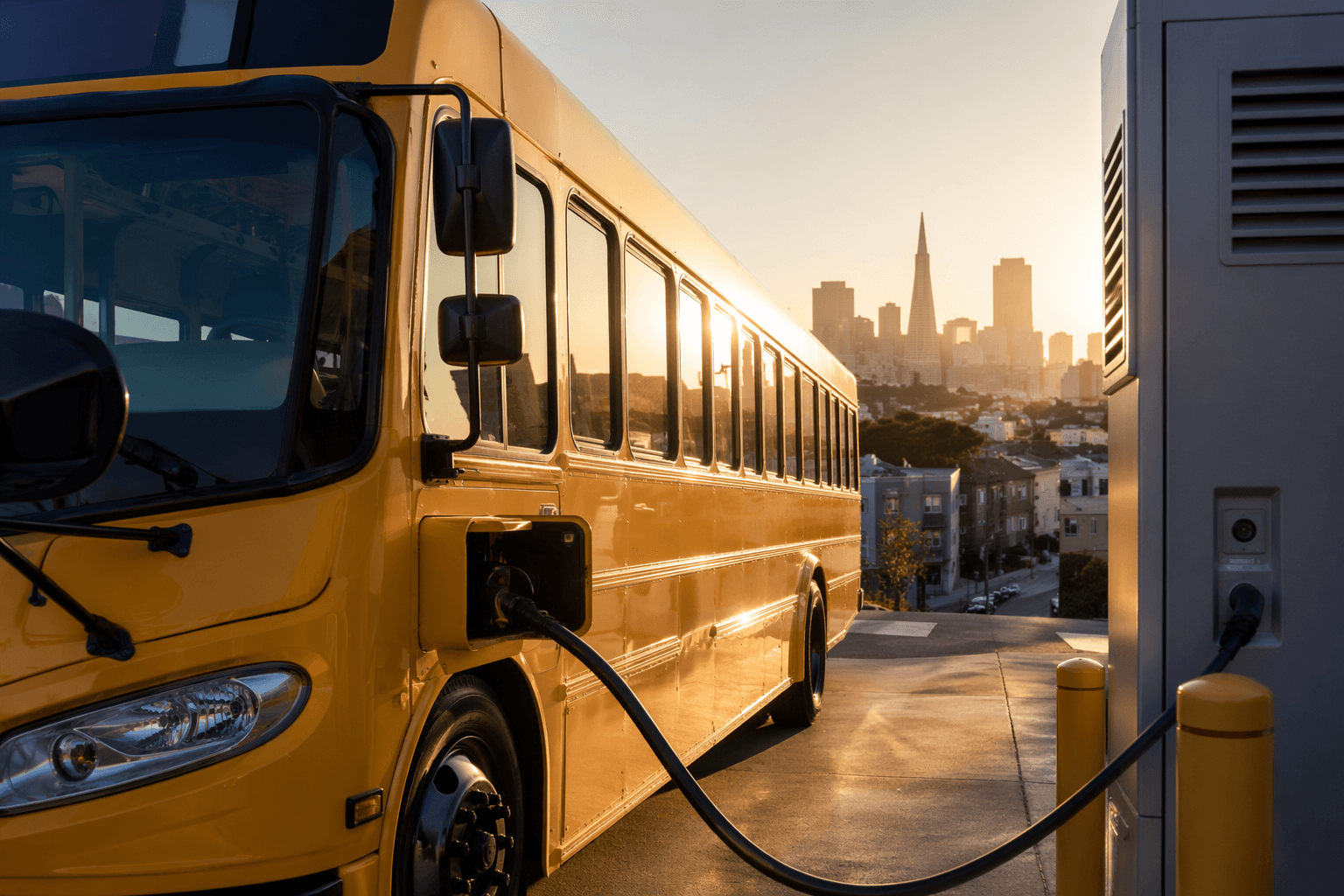
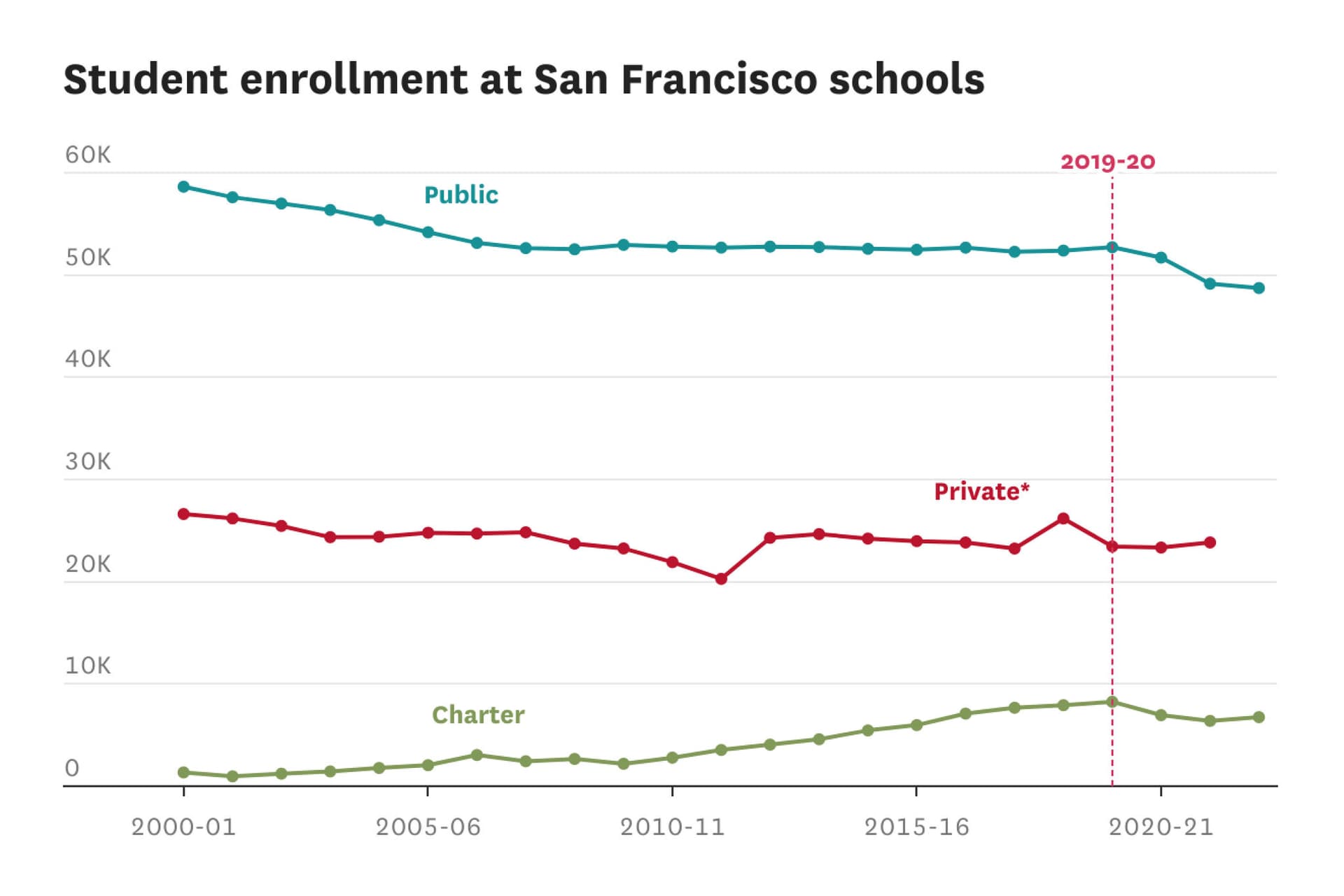
The first riders are the families already covered by SFUSD’s transportation system, which serves about 3,500 students across 150 school campuses under the district’s $150 million, five-year contract with Zūm signed in July 2021. At the time, Zūm said SFUSD had not updated its transportation model in 40 years. The district has since said its general education service is demand-based and limited, with real-time bus tracking and better visibility for families built into the redesign. SFUSD educates roughly 50,000 students a year, so the bus program sits at the center of both access and reliability for a large share of city families.
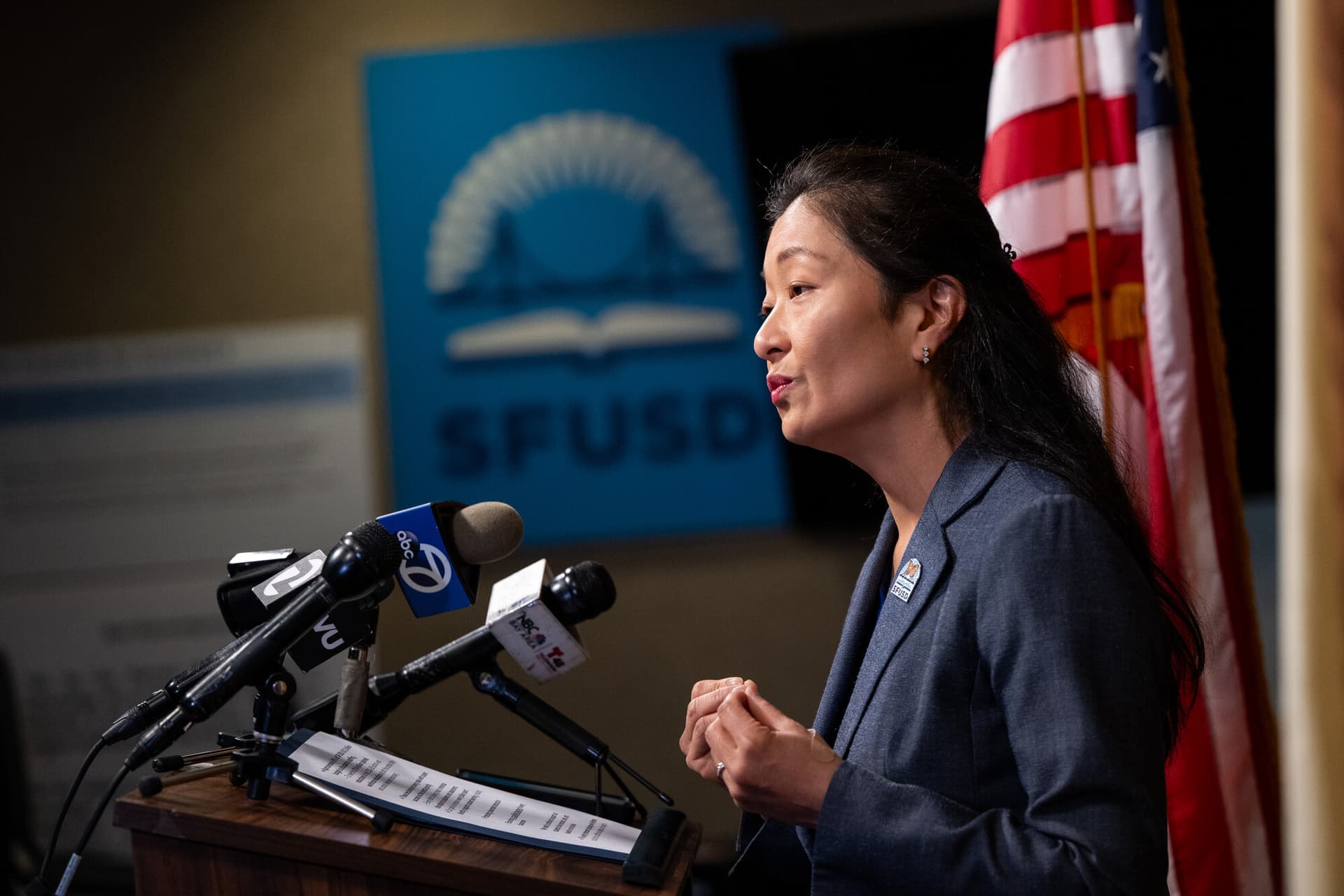
The partnership also extends a transition that started in March 2022, when Zūm first rolled out electric school buses in SFUSD. In San Francisco, district leaders including Superintendent Maria Su, City Attorney David Chiu and state Sen. Scott Wiener were tied to the latest announcement, underscoring how the project has become a matter of climate policy, public spending and service delivery all at once.
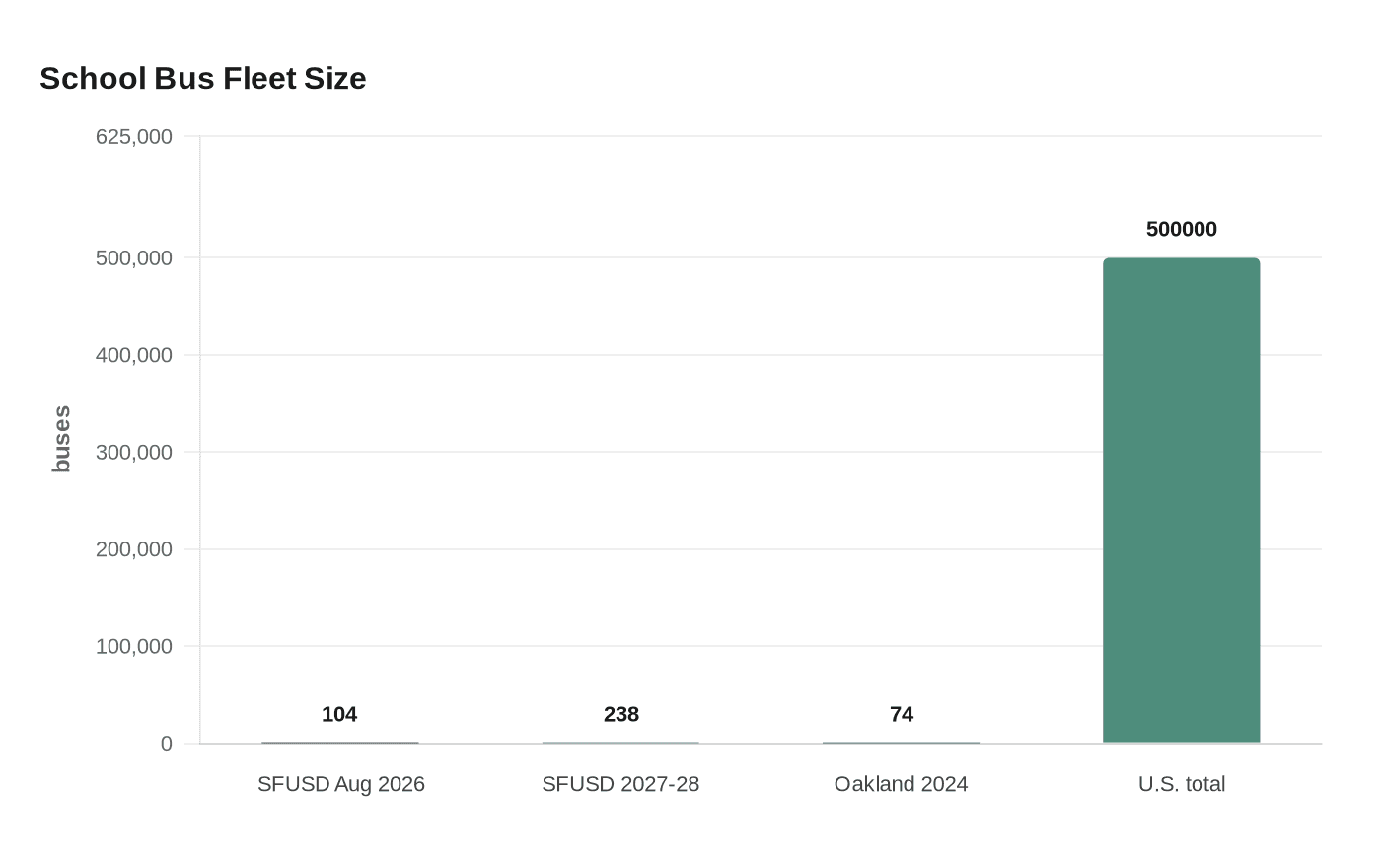
San Francisco is not the first Bay Area district to try this at scale. Oakland Unified launched the nation’s first 100 percent electric, bidirectional V2G school bus fleet in May 2024, using 74 electric buses and chargers and projecting 2.1 gigawatt-hours back to the grid each year. Zūm has also said more than 90 percent of the nation’s 500,000 school buses still run on carbon-based fuels. In San Francisco, the question is no longer whether electric buses can move children cleanly. It is whether they can also provide real backup value in a city that needs both dependable school transportation and a more resilient grid.
This article was produced by Prism’s automated news system from verified source data, official records, and press releases, then run through automated quality and moderation checks before publishing. The system is built and supervised by the people who set the standards it runs under. Read our full AI policy.
Did this article answer your question?