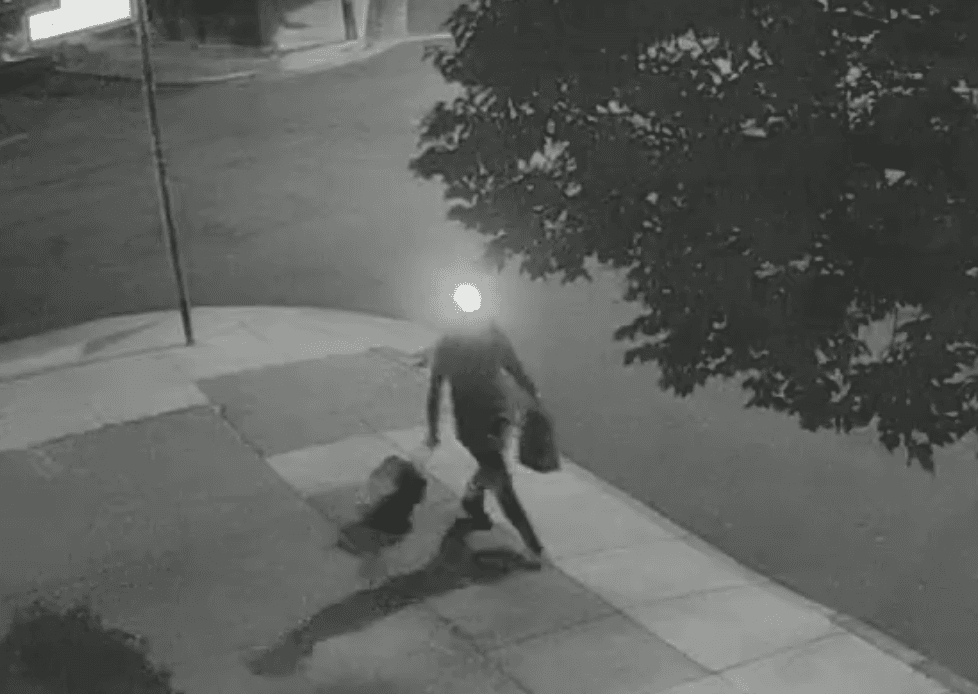
South of Market lot marks 140 years since Yick Wo ruling
A South of Market parking lot became a civil-rights landmark as about 50 people marked 140 years since Yick Wo v. Hopkins. The site still has no plaque.
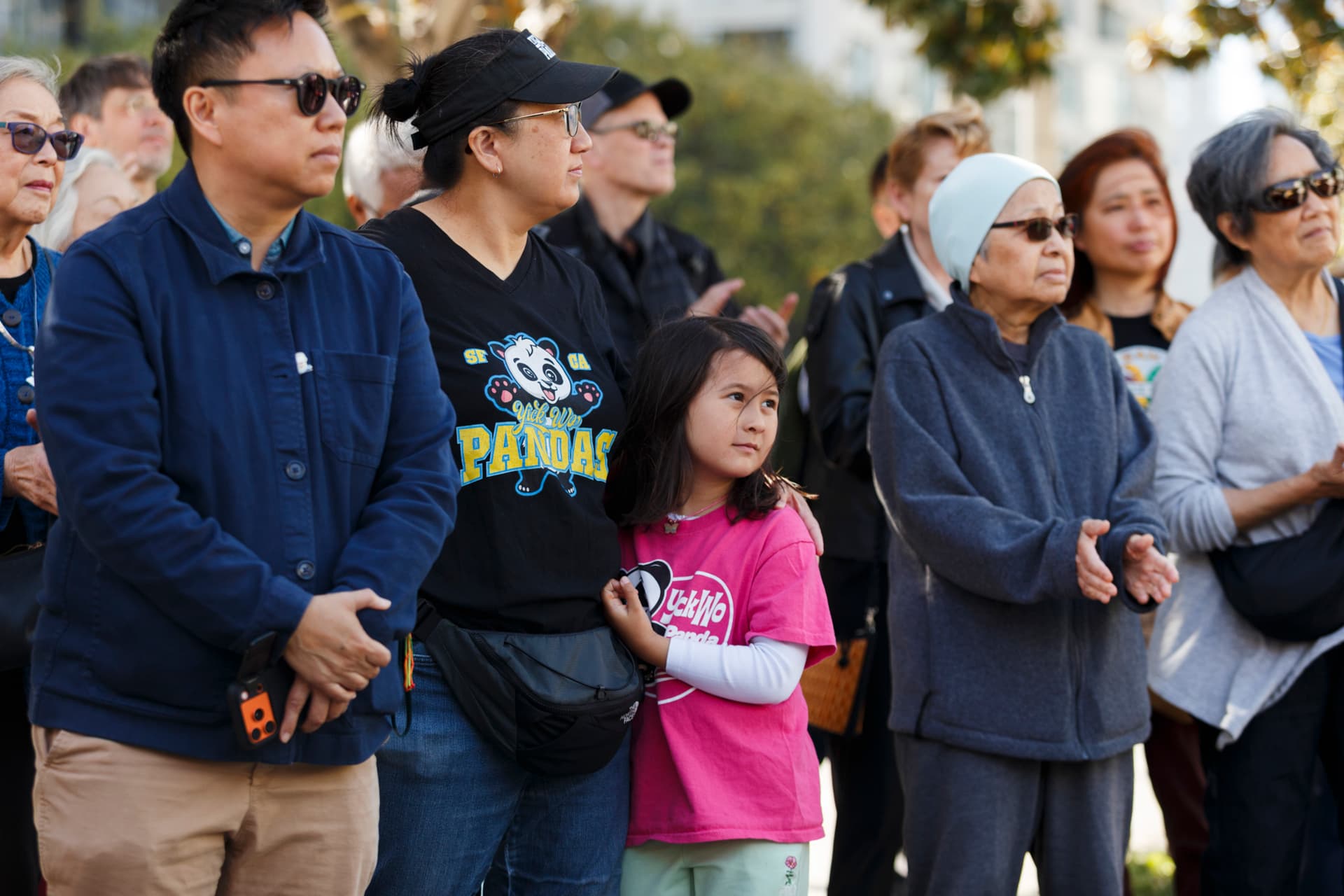
At Third and Harrison streets, a plain South of Market parking lot briefly became a place of legal memory. About 50 people gathered there Monday to mark 140 years since Yick Wo v. Hopkins, the 1886 Supreme Court decision that turned one San Francisco laundry into a national test of equal protection.
The lot sits on the former site of Yick Wo, the laundry business Lee Yick opened at 349 Third Street in 1864 after coming to the United States in 1861. His fight started with San Francisco’s 1880 laundry ordinance, which required permits for laundries in wooden buildings. In practice, the law was enforced against Chinese-owned laundries while white-owned businesses were overwhelmingly approved. Court records and historical summaries say Chinese workers ran 89 percent of the city’s laundry businesses, yet not a single Chinese owner received a permit.

The Supreme Court ruled unanimously on May 10, 1886, and held that the Fourteenth Amendment’s protections apply to all persons, including noncitizens. The case was argued alongside Wo Lee’s case, and the decision has endured as one of the clearest statements that a law can violate the Constitution when it is applied in a discriminatory way, even if it looks neutral on paper.
That history is now colliding with a current question on the San Francisco streetscape: what gets remembered, and who decides. The gathering drew longtime Asian American activists, Chinatown organizers and elected officials including City Attorney David Chiu and Supervisors Connie Chan, Chyanne Chen, Matt Dorsey, Rafael Mandelman and Danny Sauter. Their presence underscored that the effort is not only about honoring the past, but about how the city tells its civil-rights story now, as debates over immigrants’ rights, due process and selective enforcement continue to shape public life.
Local historian David Lei has spent years pushing for the site to receive the recognition he believes it deserves. Karen Kai of San Francisco Heritage is also involved in the preservation effort, and the group says 349 Third Street still lacks a plaque or sign. San Francisco Heritage and its partners are supporting a memorial campaign and permanent interpretive programming at the former laundry location, with the commemoration tied to May 11.
For a city that often rushes past its own history, the empty lot at Third and Harrison has become a reminder that some of San Francisco’s most important landmarks are not grand buildings at all. Sometimes they are ordinary corners where discrimination was challenged, and where the fight for equal treatment still demands a visible place in public space.
This article was produced by Prism’s automated news system from verified source data, official records, and press releases, then run through automated quality and moderation checks before publishing. The system is built and supervised by the people who set the standards it runs under. Read our full AI policy.
Did this article answer your question?