Steve Hilton criticizes San Francisco ballot counting delays, calls for reforms
Hilton blasted San Francisco’s slow ballot count as 93,300 ballots still remained and no weekend results were scheduled.
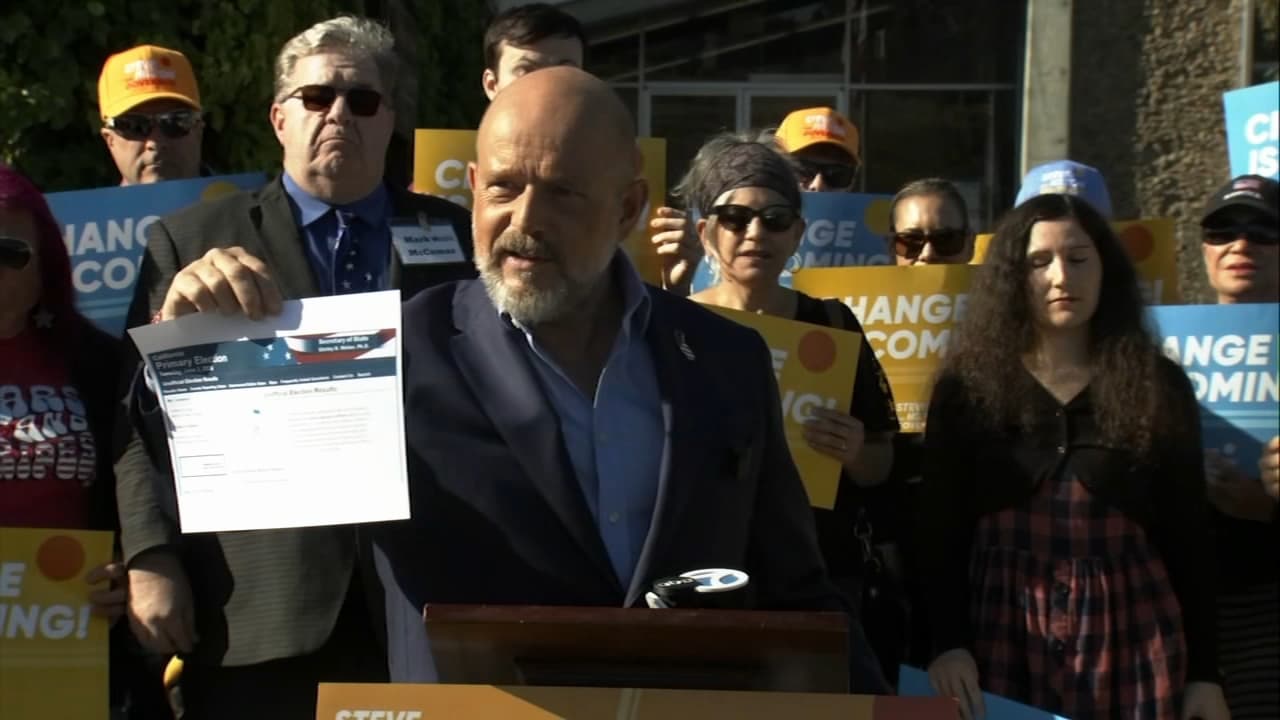
Steve Hilton chose San Francisco as the backdrop for a complaint that has become central to California’s election debate: the count is slow. As he criticized the pace of ballot processing, the San Francisco Department of Elections said Friday afternoon it had counted 176,467 ballots, estimated 93,300 still left to count and planned no preliminary results reports for June 6 or 7.
The delay is built into California’s system. County officials can begin opening vote-by-mail envelopes up to 29 days before Election Day, but the first public totals usually reflect ballots received before Election Day. During the 30-day canvass, counties verify signatures, count vote-by-mail ballots postmarked by Election Day and received within seven days, process provisional and same-day registration ballots, and conduct a public 1 percent manual tally to check the automated count.
San Francisco’s own election office is showing how much work remains after the first numbers are posted. The department streams ballot processing live, including envelope sorting, signature verification, ballot extraction, scanning and adjudication. Its current schedule says the next local results report is due Monday at 4 p.m., while the state’s canvass calendar gives counties until July 3 to report final official results and until July 10 for certification.

Hilton’s answer is to add more people to the system. He has called for an Election Count Accelerator Plan, using state workers in nonessential jobs to surge into election centers and, he says, deliver all race results by June 11. That pitch runs straight into the tradeoff California voters face every cycle: a slower count that broadens access for mail voters and preserves accuracy through verification before the final tally is locked.
This article was produced by Prism’s automated news system from verified source data, official records, and press releases, then run through automated quality and moderation checks before publishing. The system is built and supervised by the people who set the standards it runs under. Read our full AI policy.
Did this article answer your question?