Tesla wins permit to offer ride-hailing at San Francisco airport
Tesla secured SFO access with a limousine-style permit, opening the door to airport pickups that could pressure Uber, Lyft and taxis.
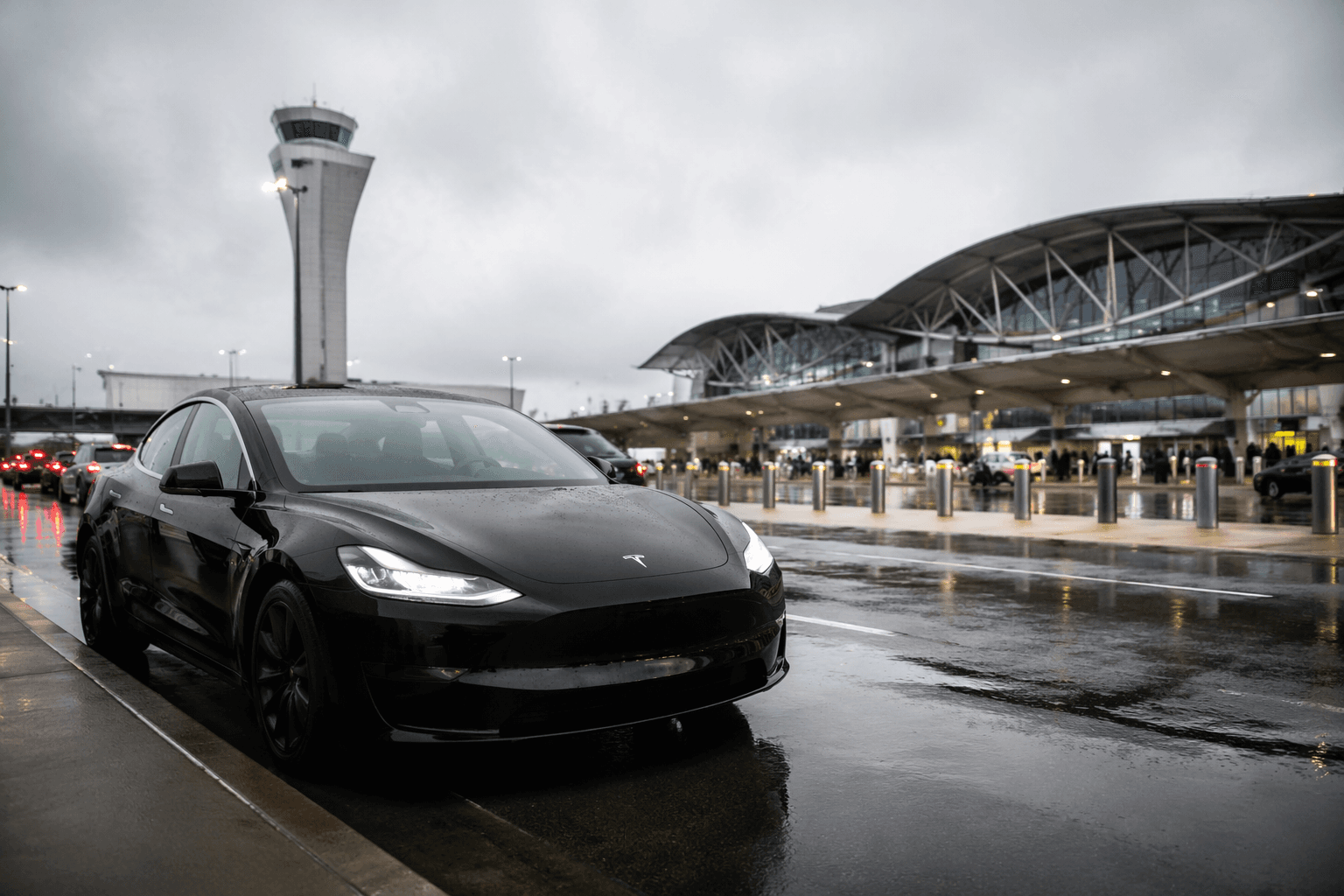
Tesla has won permission to pick up passengers at San Francisco International Airport, a coveted foothold in one of the Bay Area’s most lucrative ride-hailing markets. The authorization, effective March 20 and listed as active through Jan. 31, 2027, is for a limousine or charter-party-carrier operation, not a robotaxi service.
That distinction matters for travelers. Under the permit Tesla’s Bay Area service is still being treated by California regulators as a human-driven chauffeur operation, so riders at SFO should expect a black-car style service rather than a driverless pickup. Tesla launched ride-hailing in the Bay Area in July 2025 with human drivers, after state regulators said the company had not received permission to run a robotaxi program in California.
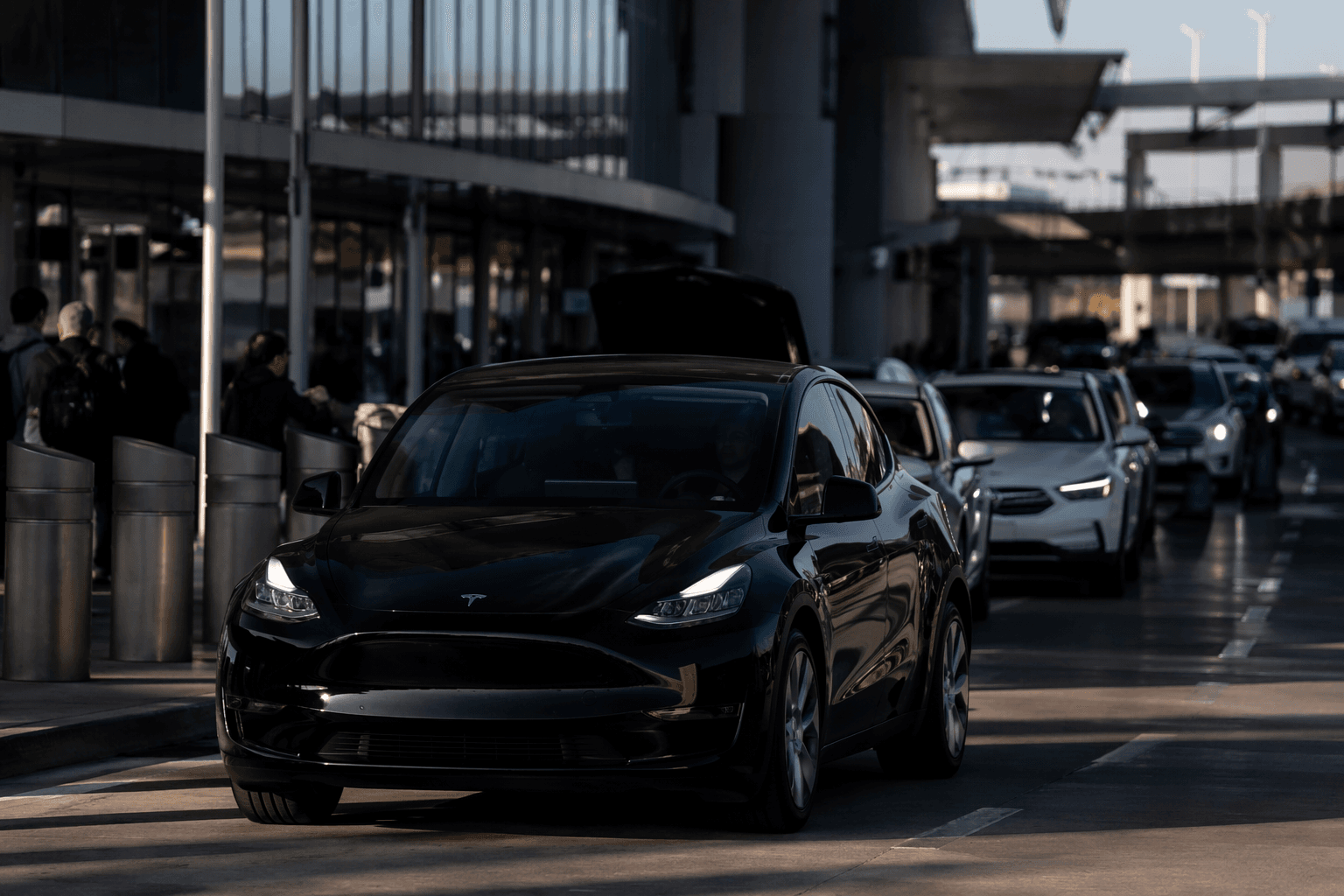
San Francisco International handled 54,118,814 passengers in fiscal 2025, making it one of the region’s most important trip generators and a high-value prize for any ride-hailing company. Airport rides are among the most profitable fares in the business, and access to SFO puts Tesla in direct competition for premium trips with Uber, Lyft, taxis and other private-car operators already fighting for curb space and traveler demand.
California Public Utilities Commission deputy executive director Pat Tsen has said Tesla is not operating an autonomous vehicle service in California and holds the same kind of permit as a limousine company. That means Tesla is not subject to the autonomous-vehicle reporting requirements that apply to companies such as Waymo and Zoox, even as the company’s Bay Area service has been tied to human drivers and, in earlier reporting, to Full Self-Driving, Supervised, which still requires a person behind the wheel.
The SFO move also answers a question that had been hanging over Tesla’s regional expansion. The company had already sought access at San Jose Mineta International Airport and Oakland International Airport, signaling that airport pickup rights were part of a broader Bay Area strategy, not just a San Francisco play. For now, though, the immediate impact is likely to be felt most at SFO, where a Tesla-branded airport ride could begin siphoning off higher-margin travelers looking for a direct trip into San Francisco, Silicon Valley or the East Bay.
It remains unclear how much Tesla’s airport access will alter pickup zones, wait times or prices, but the competitive pressure is obvious. If Tesla can reliably serve SFO riders under a chauffeur-style permit, the airport becomes another battleground in the Bay Area mobility fight, with the larger question left hanging: whether this is only a premium airport service, or a stepping stone toward a broader autonomous rollout in San Francisco.
This article was produced by Prism’s automated news system from verified source data, official records, and press releases, then run through automated quality and moderation checks before publishing. The system is built and supervised by the people who set the standards it runs under. Read our full AI policy.
Did this article answer your question?

