UC Way Algorithm Helps Nearly 5,000 Patients Control Blood Pressure Across UC System
A UCSF-led algorithm embedded in UC health records helped nearly 5,000 patients control blood pressure, averting an estimated 72 strokes, 48 heart attacks, and 38 deaths.
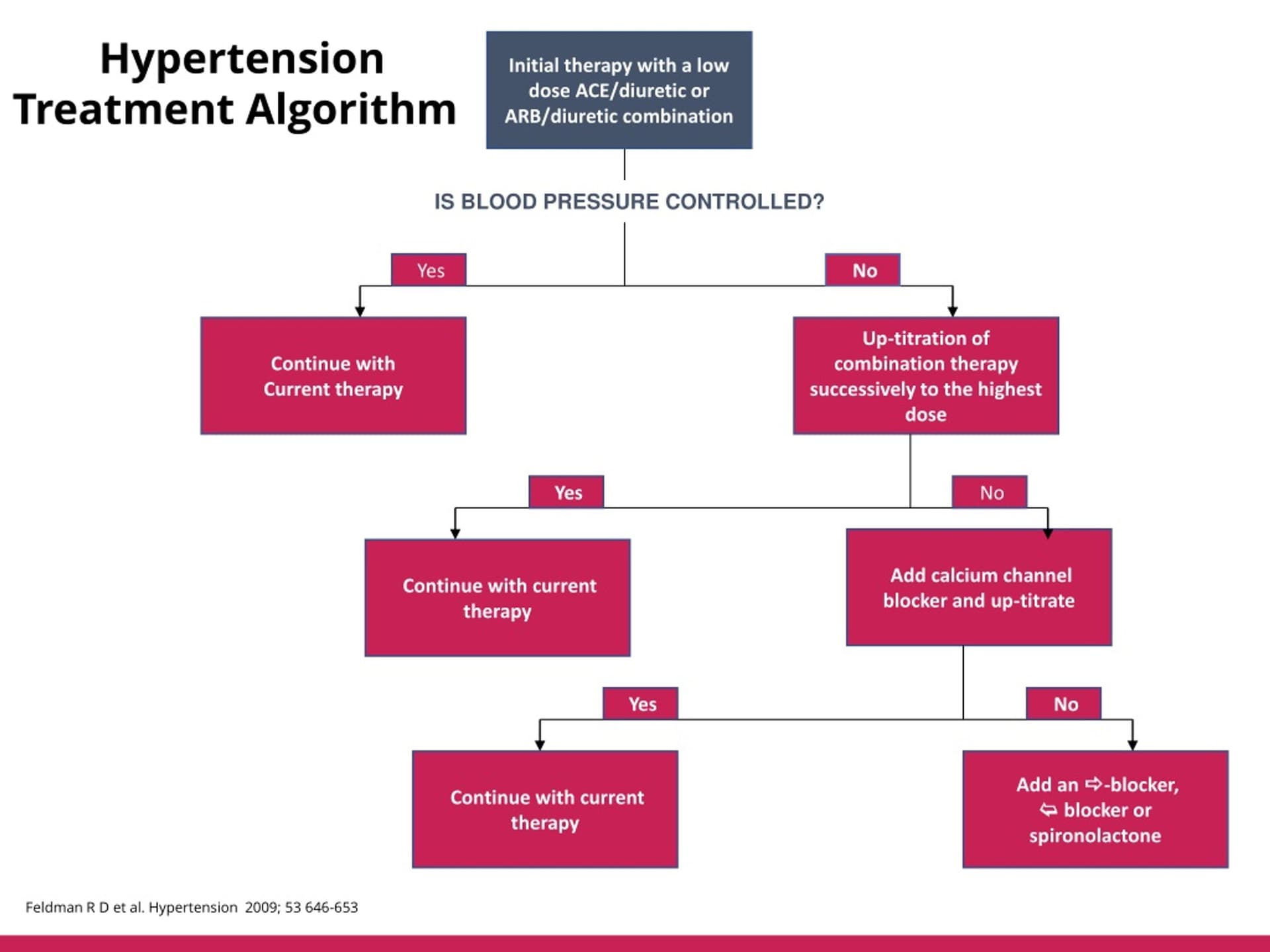
Embedded quietly inside the electronic health records of six University of California academic medical centers, a clinical algorithm called the UC Way Hypertension Medication Algorithm helped push blood-pressure control rates from 68.5% to nearly 74% across roughly 90,000 patients over two years, a study published in BMJ Open Quality found.
The improvement amounts to about 4,860 people who now have controlled blood pressure, translating to an estimated 72 strokes, 48 heart attacks, and 38 deaths averted. "These are real Californians who didn't end up in an emergency room, didn't have a disability, didn't lose time with their families," said lead author Sandeep P. Kishore, MD, PhD, an internist and associate professor of medicine at UCSF who specializes in cardiometabolic health.
The two-year study, led by UCSF and ending in mid-2025, tracked outcomes at all six UC academic health centers. Of the roughly 90,000 patients included in the program's reported statistics, about 11,500 were treated at UCSF.
The UC Way algorithm follows a stepwise approach to increasing medication types and doses while allowing clinicians to adjust treatment for individual factors and special populations, including elderly patients. Its integration directly into UC's electronic health records means clinicians encounter it as part of existing workflows rather than as a separate tool requiring separate login or documentation.

UCSF described the program as one of very few hypertension algorithms designed for deployment across an entire health system. High blood pressure affects nearly half of Americans and is a leading cause of death, particularly in underserved populations, where it can progress to heart disease, heart failure, stroke, kidney disease, and pregnancy complications.
The findings, published in BMJ Open Quality, suggest that embedding standardized, adjustable treatment guidance at the system level rather than leaving hypertension management solely to individual clinical judgment can produce measurable reductions in catastrophic outcomes at scale.
This article was produced by Prism’s automated news system from verified source data, official records, and press releases, then run through automated quality and moderation checks before publishing. The system is built and supervised by the people who set the standards it runs under. Read our full AI policy.
Did this article answer your question?