Unauthorized radiological cache found at Hunters Point Shipyard
A contractor found unauthorized radiological material in a cabinet at Hunters Point, renewing questions about how contamination slipped past years of oversight at a site planned for more than 12,000 homes.

A locked cabinet at the Hunters Point Naval Shipyard held unauthorized radiological material that should not have been there, a discovery that cuts to the core of the cleanup promises San Franciscans have heard for years. The material was found by a contractor and reported by the U.S. Navy in April 2026, raising fresh questions about how much dangerous waste may still be hidden inside a site long treated as a redevelopment project rather than a live contamination problem.
The shipyard’s history makes the lapse especially stark. Hunters Point operated from 1939 to 1974, and the Naval Radiological Defense Laboratory was based there from 1946 to 1969. Official city materials say the Navy is still working to remove and contain toxic materials left behind by industrial and radiological activity, while state and federal agencies continue to oversee the cleanup. The contamination burden is broad: soil, groundwater, surface water and sediment have all been affected by petroleum fuels, pesticides, heavy metals, PCBs, VOCs and radionuclides.
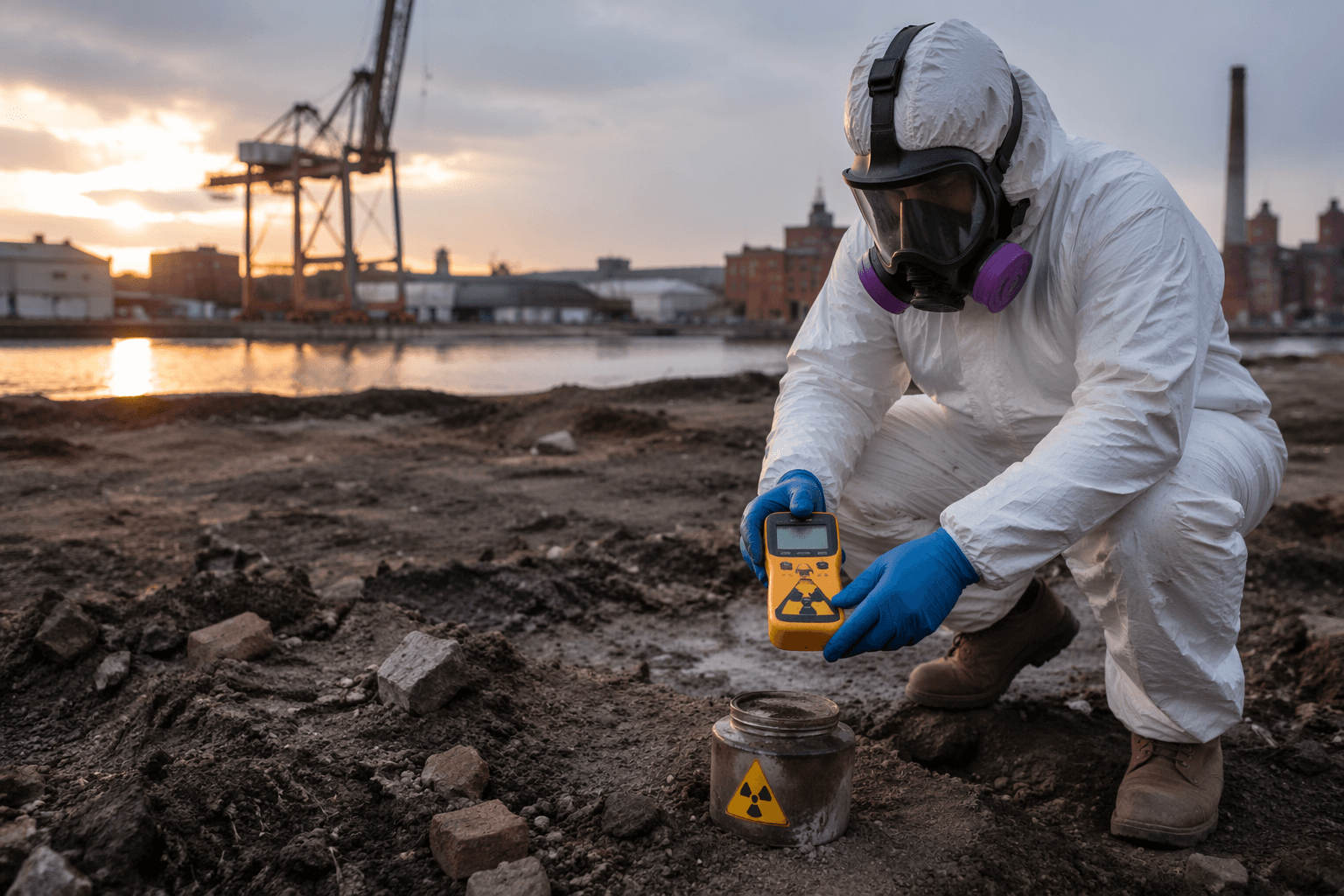
The latest discovery suggests those safeguards have not been airtight. A recent SFGATE report said a former U.S. Navy subcontractor employee is suspected of bringing hundreds of radiological items and chemical waste into the shipyard without government officials knowing. That allegation, if borne out, would point to a major breakdown in chain-of-custody controls at a site where the Navy, the U.S. Environmental Protection Agency, the California Department of Toxic Substance Control and the Regional Water Control Board have all had a role in environmental oversight.
Health concerns are compounded by earlier findings. In November 2024, the Navy found plutonium-239 in an air filter sample from Parcel C, above the site’s action level, and EPA’s April 2026 review confirmed that result. EPA also said its review of the Final Fifth Five-Year Review Report deferred short-term protectiveness determinations for some areas, including Parcel C, pending more characterization or remediation. On Sept. 26, 2024, EPA and the Navy announced a cleanup milestone for Parcel F, roughly 443 acres of San Francisco Bay around the former shipyard, but the new discovery shows the work is far from complete.

The site is being redeveloped for commercial space and more than 12,000 housing units, a future that depends on public confidence in the cleanup. Community groups in Bayview-Hunters Point issued a call to action after the Navy disclosure, underscoring how quickly confidence can erode when radiological material turns up where officials said it should not be.
This article was produced by Prism’s automated news system from verified source data, official records, and press releases, then run through automated quality and moderation checks before publishing. The system is built and supervised by the people who set the standards it runs under. Read our full AI policy.
Know something we missed? Have a correction or additional information?
Submit a Tip