Unpaid AT&T bill caused 27-hour Clipper outage across Bay Area
An unpaid AT&T bill knocked Clipper offline for 27 hours, delaying BART fare gates and exposing how fragile the Bay Area’s core payment system had become.
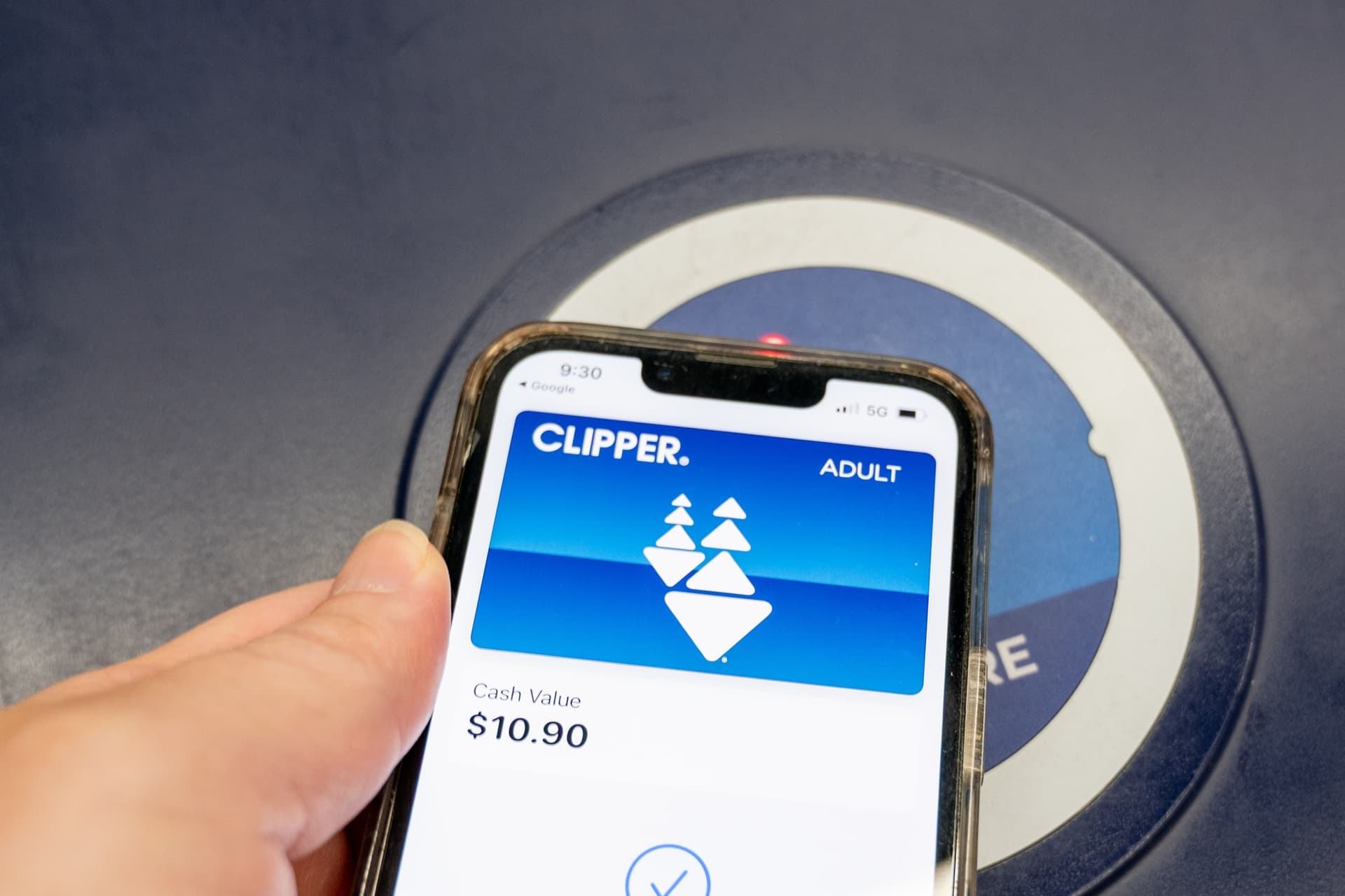
A 27-hour Clipper outage that jammed BART fare gates and blocked riders from adding value at station vending machines turned out to have a remarkably ordinary cause: Cubic Transportation Systems said an AT&T network circuit between BART’s data center and Cubic went down because a bill on one account had not been paid.
The failure hit on May 18 and immediately rippled across the region’s most basic commuting routines. Riders could not purchase or reload Clipper cards at BART vending machines, and fare-gate transactions were delayed. Because Clipper is the Bay Area’s all-in-one transit card, used across BART, Muni and more than 20 transit agencies, the outage did not affect a niche service. It disrupted the fare system people use to get to work, school and appointments every day.

What made the episode so damaging was not only the length of the interruption, but its cause. Cubic said it had multiple AT&T accounts and did not realize one circuit tied to the BART system had not been paid because those circuits were not in Cubic’s account system. That left a core public payment platform vulnerable to a basic administrative lapse, not a cyberattack or a major hardware collapse.
BART General Manager Robert Powers made clear how the agency viewed the breakdown, taking aim at Cubic during a Clipper Executive Board meeting. “Cubic not paying their bill? Are you kidding me? That’s ridiculous. BART is so done with Cubic right now. You have zero credibility, Cubic. Zero,” he said.
The outage landed amid a wider rollout of next-generation Clipper, or Clipper 2.0, which launched on December 10, 2025. Cubic holds a $461 million contract to develop and run the system, but the upgrade has been rocky. By March 31, Cubic had recorded 10 major incidents and more than 33 hours of service outages since launch. As of early April, only about 1.3 million of roughly 15 million Clipper cards had been upgraded. By June 2, the Metropolitan Transportation Commission said 1.7 million cards had been converted and 45% of Clipper fares were being paid through Clipper 2.0 accounts.
The commission is now preparing to discuss contractual remedies, and Cubic missed a May 30 deadline to address critical issues. BART’s own service advisories now warn riders that, because of the ongoing Clipper upgrades, adding funds at vending machines requires holding the Clipper card at the reader rather than tapping it. For San Francisco riders moving through stations like Montgomery and Embarcadero, the message is plain: a system built to make transit seamless still depends on mundane discipline, and when that fails, thousands of daily trips do too.
This article was produced by Prism’s automated news system from verified source data, official records, and press releases, then run through automated quality and moderation checks before publishing. The system is built and supervised by the people who set the standards it runs under. Read our full AI policy.
Did this article answer your question?