Unseasonably Early Gray Whales Enter San Francisco Bay, Raising Vessel Strike Concerns
Gray whales entered San Francisco Bay earlier than usual, raising the risk of vessel collisions and prompting a new operator training program for ferries and commercial vessels.
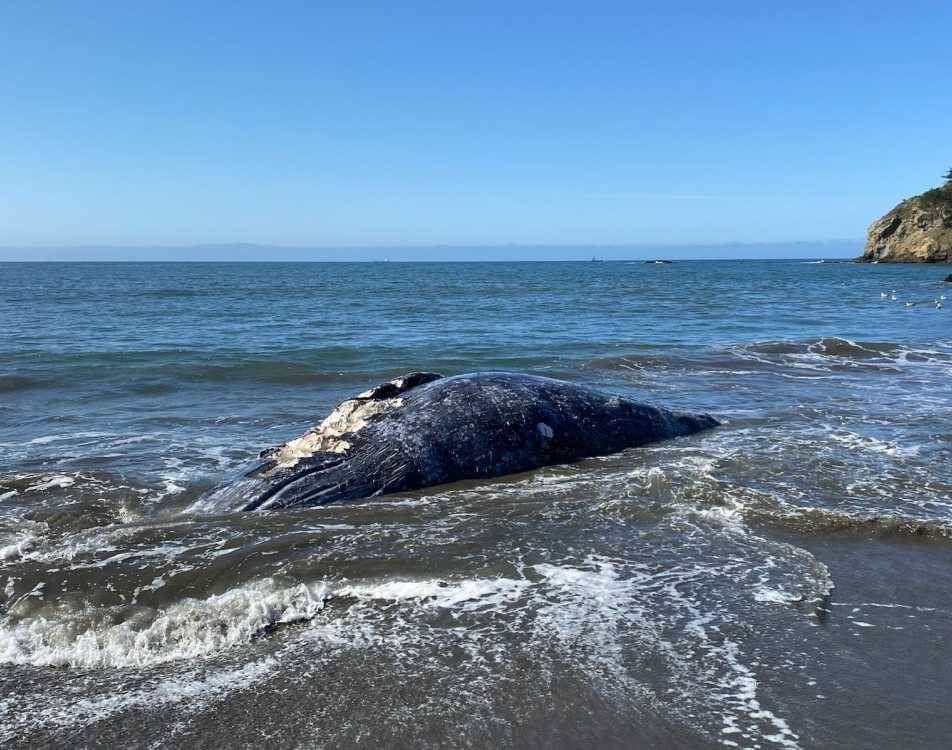
The Marine Mammal Center reported the first gray whale of 2026 inside San Francisco Bay on January 21, and a vessel survey on February 9 documented at least two individuals in the bay. Scientists say recent observations show some whales are spending longer periods inside the bay and actively foraging, a behavior that heightens the risk of vessel strikes in one of the nation’s busiest waterways.
In response, the Marine Mammal Center and the San Francisco Harbor Safety Committee’s Marine Mammal Subcommittee launched Whale Smart on February 6, an education and training program aimed at commercial vessel operators, including high-speed ferry and passenger services. The program promotes understanding why gray whales are using San Francisco Bay; quickly identifying whales and interpreting key behaviors to prevent dangerous close encounters; navigating safely in high-whale-activity areas using proven, practical operating guidelines; and sharing real-time sightings with Vessel Traffic Service to improve awareness and coordination across the bay. The press materials say Whale Smart was “developed in response to an unprecedented year of gray whale sightings and strandings.”
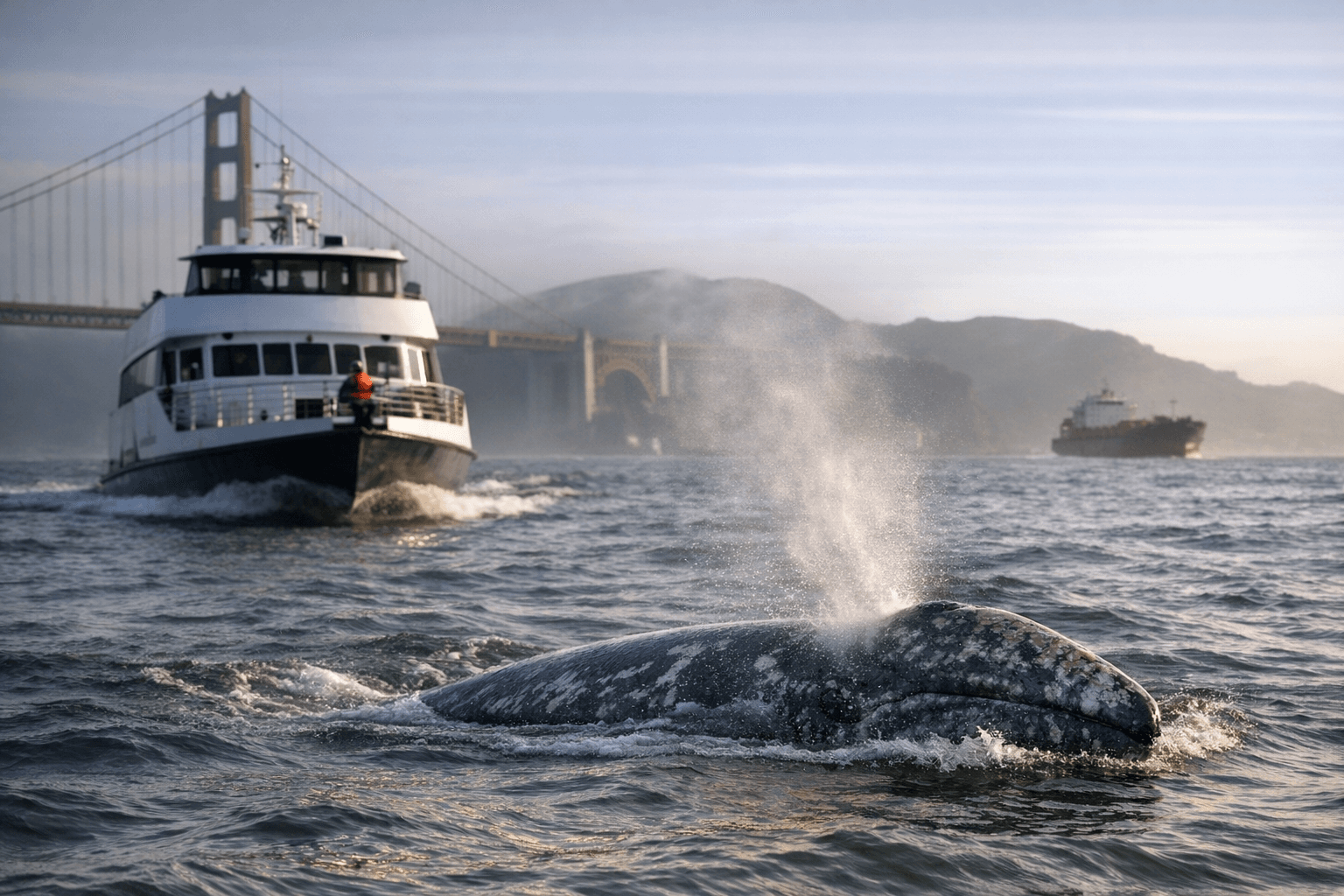
Operational measures already in practice include ferry operators cutting engines after spotting a gray whale and allowing it to pass safely before resuming service. The Marine Mammal Center described the immediate need “to expand protective efforts” given the early-season sightings and behavioral changes. Contact for the program is Giancarlo Rulli at The Marine Mammal Center, (415) 754-4012, Media@tmmc.org.
The local uptick sits against the longer arc of gray whale biology and recent population stress. The Oceanic Society notes January through March is an ideal window for seeing migrating gray whales along the California coast, with most whales arriving to Baja’s lagoons in January and February and calves born between the end of December and early February. Adult gray whales can reach 40–50 feet and weigh more than 36 tons; newborn calves are about 15 feet and 1,500 pounds. Migration distances are sizeable: Oceanic Society cites about a 12,000-mile round trip, while National Park Service materials place the trip at nearly 13,000 miles (20,922 km). NPS also notes that during the northbound migration many whales travel within a mile of shore, making shore-based sightings common at spots such as Point Reyes.
Federal monitoring underscores the stakes. NOAA Fisheries has tracked gray whale Unusual Mortality Events in 1999–2000 and another episode that federal material describes as beginning in mid-December 2018 and continuing into 2023; a separate NOAA passage states the second UME began in January 2019 and continued through November 9, 2023, with peak strandings from December 17, 2018 to December 31, 2020. NOAA lists entanglement in fishing gear, ship collisions, and underwater noise among ongoing threats.
For San Francisco Bay residents and regular commuters on ferries, the message is continued vigilance and cooperation with reporting systems. The Whale Smart rollout aims to reduce collision risk through operator training and real-time coordination; local operators have already adapted practices such as engine-cutting when whales are sighted. “Every action we take in San Francisco Bay matters,” said Kathi George,, The next developments to watch include further data from the Marine Mammal Center on how long whales remain in the bay this season and whether Whale Smart expands mandatory training or operational restrictions as the migration continues.
This article was produced by Prism’s automated news system from verified source data, official records, and press releases, then run through automated quality and moderation checks before publishing. The system is built and supervised by the people who set the standards it runs under. Read our full AI policy.
Did this article answer your question?