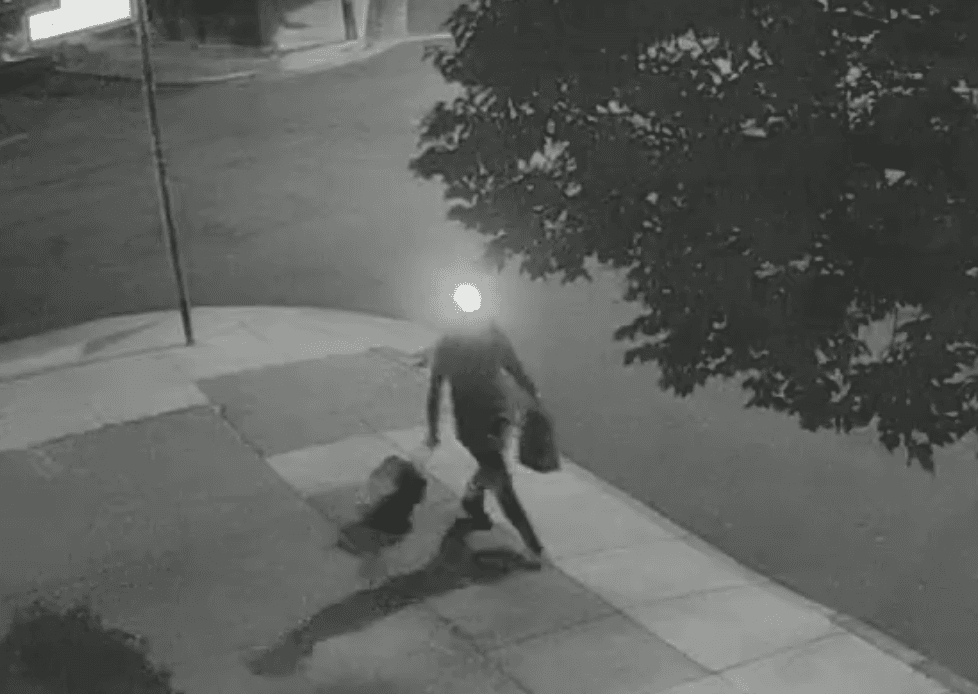
Vigil planned for pedestrian killed in San Francisco crash, driver charged with murder
Friends planned a vigil for Danielle Spillman, 74, after a SoMa hit-and-run that prosecutors say became a murder case. The death pushed San Francisco’s pedestrian toll to eight this year.
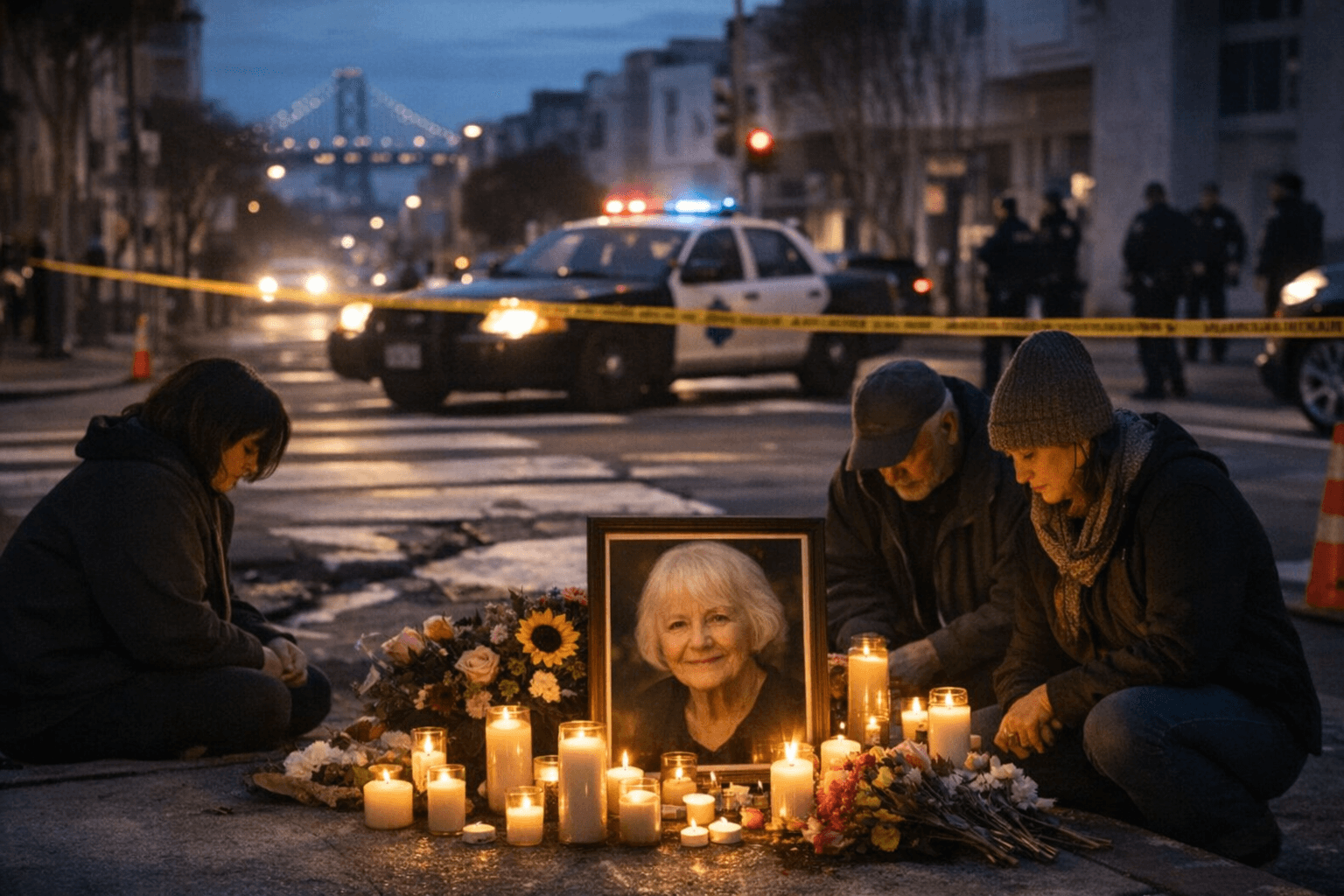
Friends and community members planned a vigil for Danielle Spillman in South of Market after the 74-year-old was killed near Mission Street and South Van Ness Avenue, a crash that prosecutors say led to murder charges against 30-year-old Valantino Cash Amil.
San Francisco District Attorney Brooke Jenkins announced on April 16 that Cash Amil was charged with murder in connection with the fatal hit-and-run. Prosecutors also filed felony hit-and-run charges, and local reporting said he was being held without bail. The crash happened on April 13.
Spillman was described in local coverage as a lifelong musician, and some reports said she was a longtime San Francisco resident and transgender woman. The vigil was planned for Monday, April 20, as friends gathered to remember a woman whose death has become part of a larger fight over who is protected on city streets.
Walk San Francisco said Spillman’s death was the eighth pedestrian fatality in San Francisco in 2026. The advocacy group said the first pedestrian death of the year came on February 3, when a 76-year-old woman was killed at Bayshore Boulevard and Silver Avenue. Those deaths have kept pressure on city leaders to show that Vision Zero is doing more than documenting tragedy after the fact.
Vision Zero SF, co-chaired by the San Francisco Municipal Transportation Agency and the Department of Public Health, uses public maps and fatality data to track crash patterns and identify dangerous streets. City data is intended to give the public, elected officials and staff a current snapshot of progress toward eliminating traffic deaths, a benchmark the city set for 2024.
The numbers show some improvement, but not enough to quiet the alarm. A January Chronicle analysis found pedestrian deaths fell from 24 in 2024 to 17 in 2025, while total traffic fatalities dropped from 43 to 25. Still, Walk San Francisco said 12% of city streets account for 68% of the most severe and fatal traffic collisions, a concentration that keeps the debate focused on a handful of corridors where a single mistake can turn deadly.
For San Francisco residents, the case raises the same question that follows each fatal crash: whether the city’s safety strategy is preventing the worst outcomes or reacting only after someone has already been lost.
This article was produced by Prism’s automated news system from verified source data, official records, and press releases, then run through automated quality and moderation checks before publishing. The system is built and supervised by the people who set the standards it runs under. Read our full AI policy.
Did this article answer your question?