Waymo rolls out new robotaxi Ojai in San Francisco, free rides start
Waymo’s new Ojai robotaxi is already carrying free riders in San Francisco, a sign the company is chasing lower costs and wider city service.
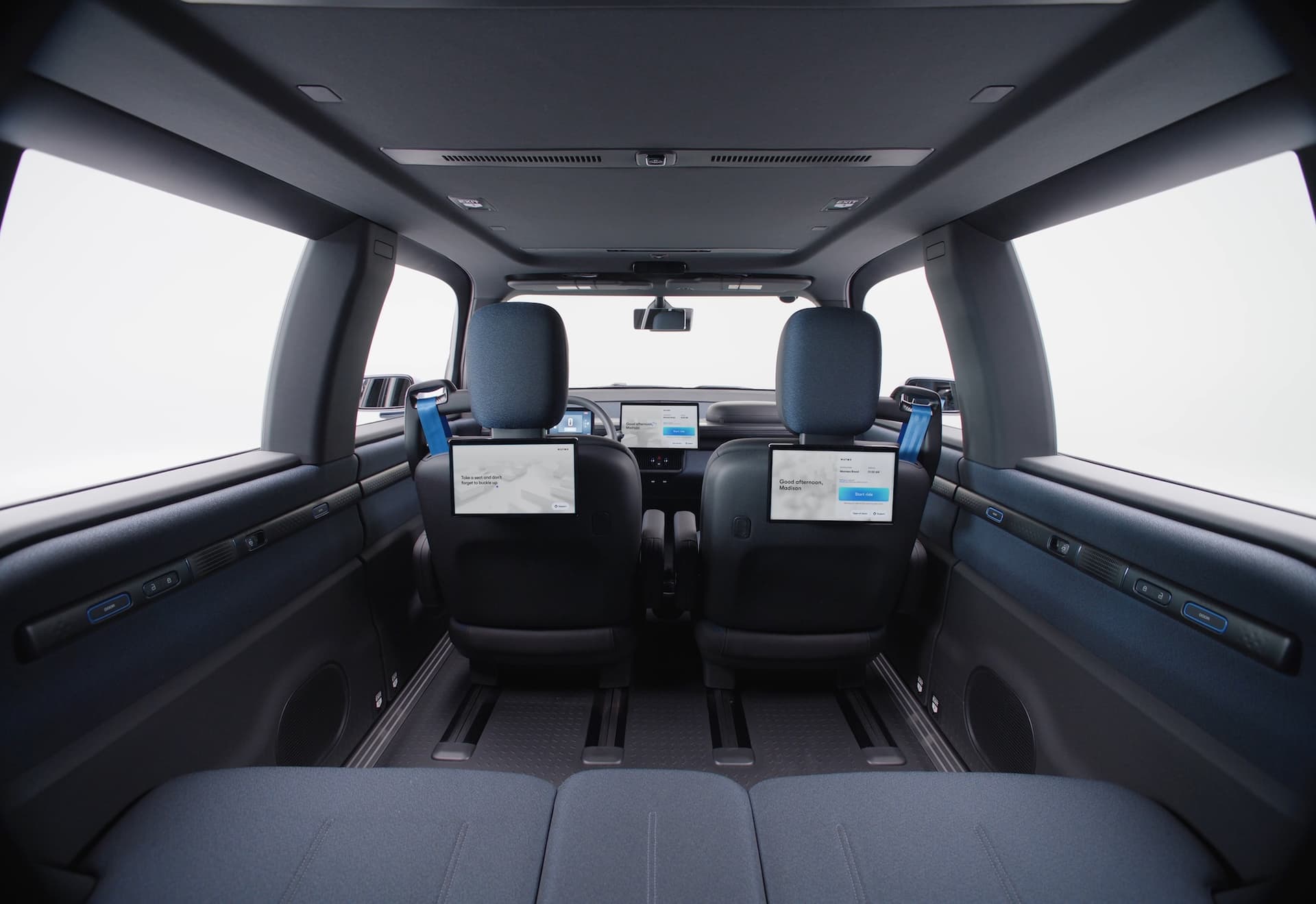
San Franciscans are getting a first look at Waymo’s next move: a purpose-built, all-electric robotaxi that could help the company spread across more blocks, more neighborhoods and, eventually, more cities. The Ojai has begun carrying select riders in San Francisco, Los Angeles and Phoenix, and the first trips are free for a limited time.
That matters here because Waymo is no longer just showing off a driverless car. The company says the Ojai is the first vehicle to debut its 6th-generation Waymo Driver, a system it describes as streamlined to reduce costs while keeping safety standards intact. Waymo also says the new setup is designed to work across multiple vehicle platforms and in harsher environments, including snowier conditions, a sign the company wants robotaxis that can be built and deployed at scale rather than adapted one car at a time.
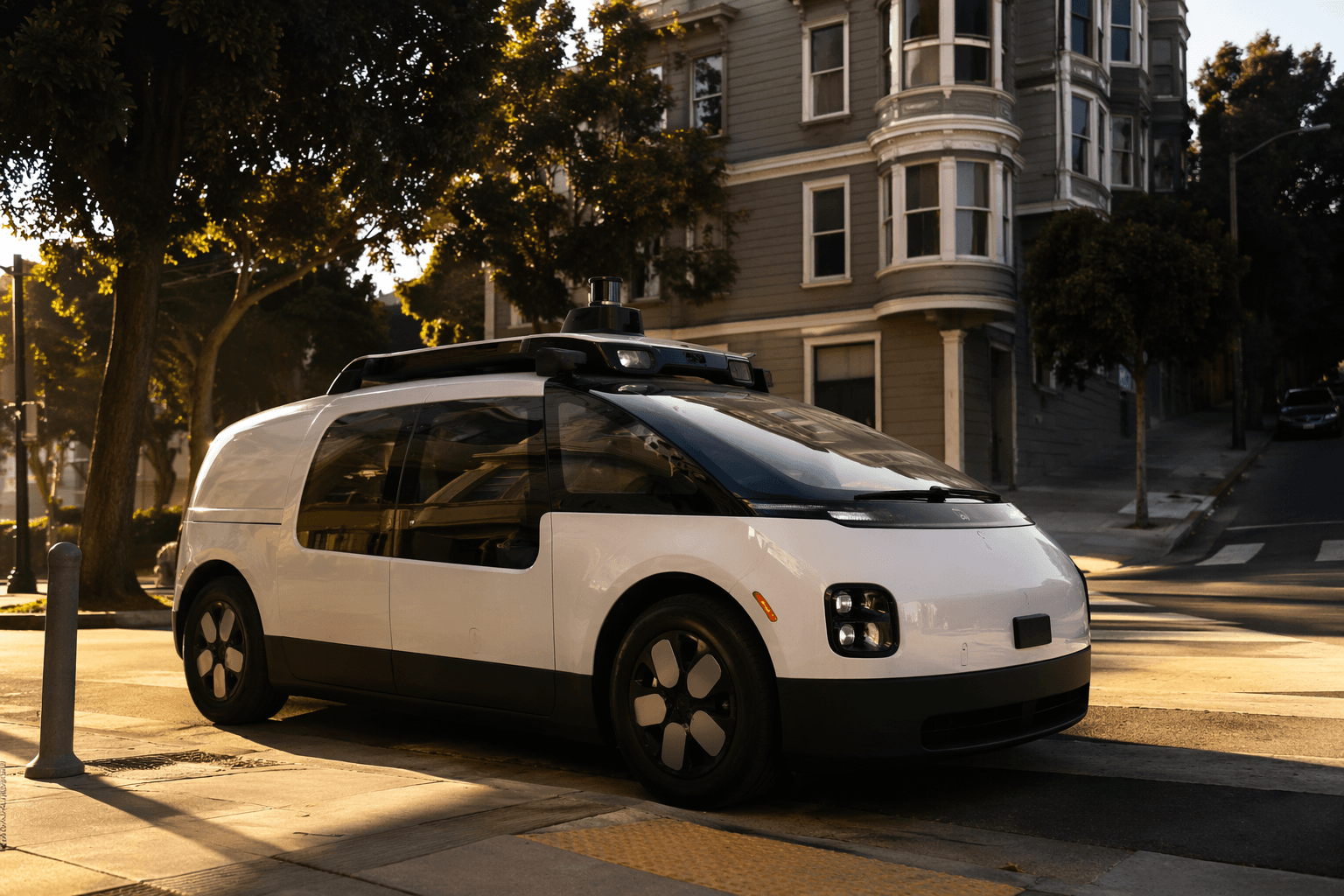
For San Francisco riders, the most immediate question is whether that lower-cost hardware translates into more service and more competitive pricing once the free rides end. Waymo says the Ojai will be available in Phoenix, Los Angeles and San Francisco, with more cities to come, while its Mesa, Arizona factory is aimed at producing tens of thousands of Waymo-enabled vehicles a year. That is the clearest signal yet that the company is preparing for a bigger business, not a boutique fleet.
The local stakes are high because San Francisco remains Waymo’s most visible proving ground. The company has already expanded freeway access across the San Francisco Bay Area, Phoenix and Los Angeles, and TechCrunch reported earlier this year that Waymo had about 3,000 robotaxis across Atlanta, Austin, Los Angeles, Miami, Phoenix and the Bay Area. Another TechCrunch report said weekly paid trips surged from 50,000 in May 2024 to 500,000 in March 2026. In other words, Waymo is no longer selling a future concept; it is building a transportation network.

That growth is happening inside a tough Bay Area regulatory and political environment. The California Public Utilities Commission approved Waymo to charge fares for driverless passenger service in San Francisco on August 10, 2023, while the state Department of Motor Vehicles lists Waymo’s drivered testing authorization as issued in September 2014 and its driverless testing authorization in October 2018. But expansion has not erased resistance. San Francisco residents and activists protested outside a Waymo depot in 2025, and Waymo cars blocked intersections during a major city power outage later that year, forcing the company to pause service temporarily.
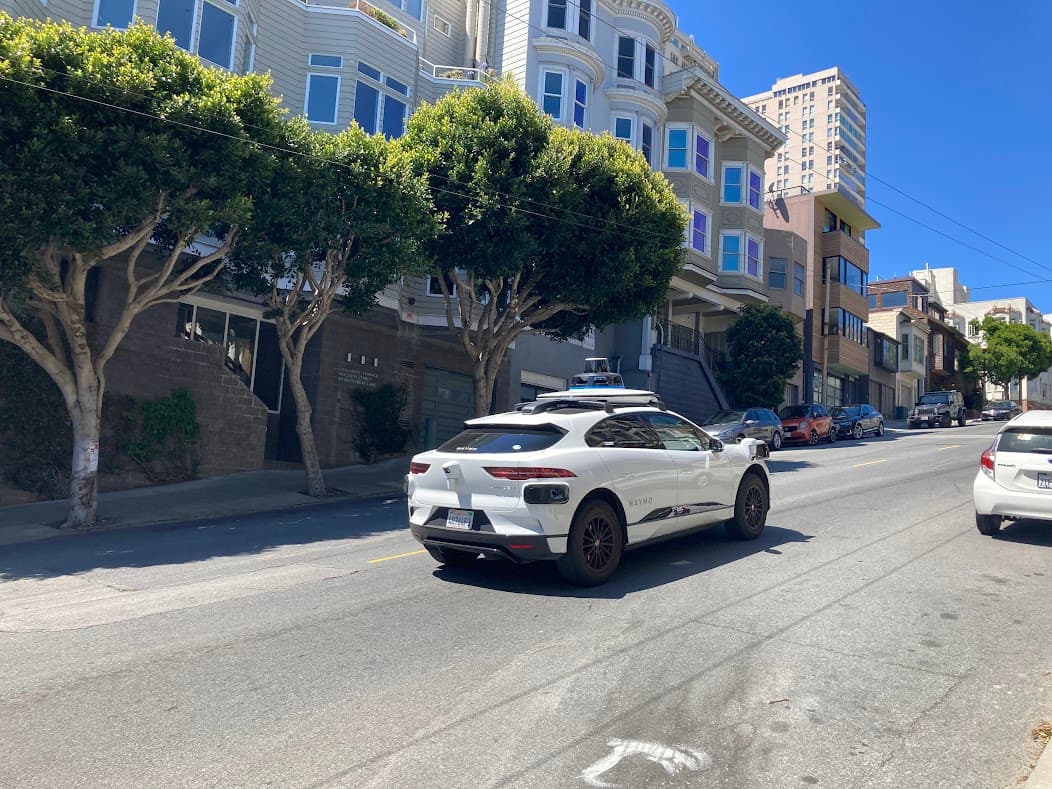
Waymo says its safety data show its driver is making roads safer where it operates, and it has published research claiming lower crash and insurance-claim rates than human drivers. For San Francisco, the next test is simpler and more consequential: whether a cheaper, more scalable robotaxi turns into broader access on city streets, or just more robotaxis competing for the same curb space.
This article was produced by Prism’s automated news system from verified source data, official records, and press releases, then run through automated quality and moderation checks before publishing. The system is built and supervised by the people who set the standards it runs under. Read our full AI policy.
Did this article answer your question?

