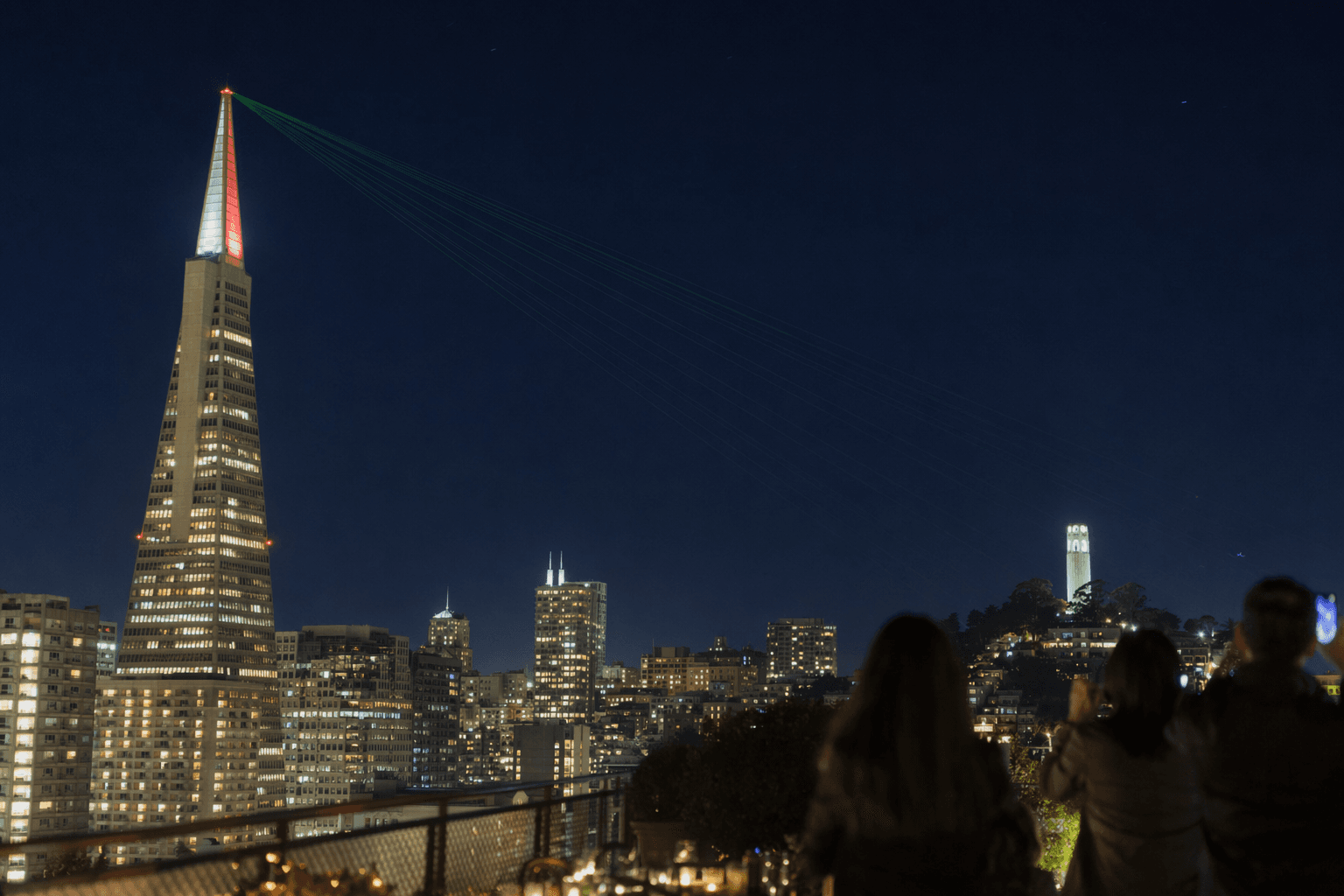
Why San Francisco’s iconic landmarks remain closed and uncertain
Several long-loved San Francisco landmarks remain shuttered amid structural, legal, and financial hurdles.
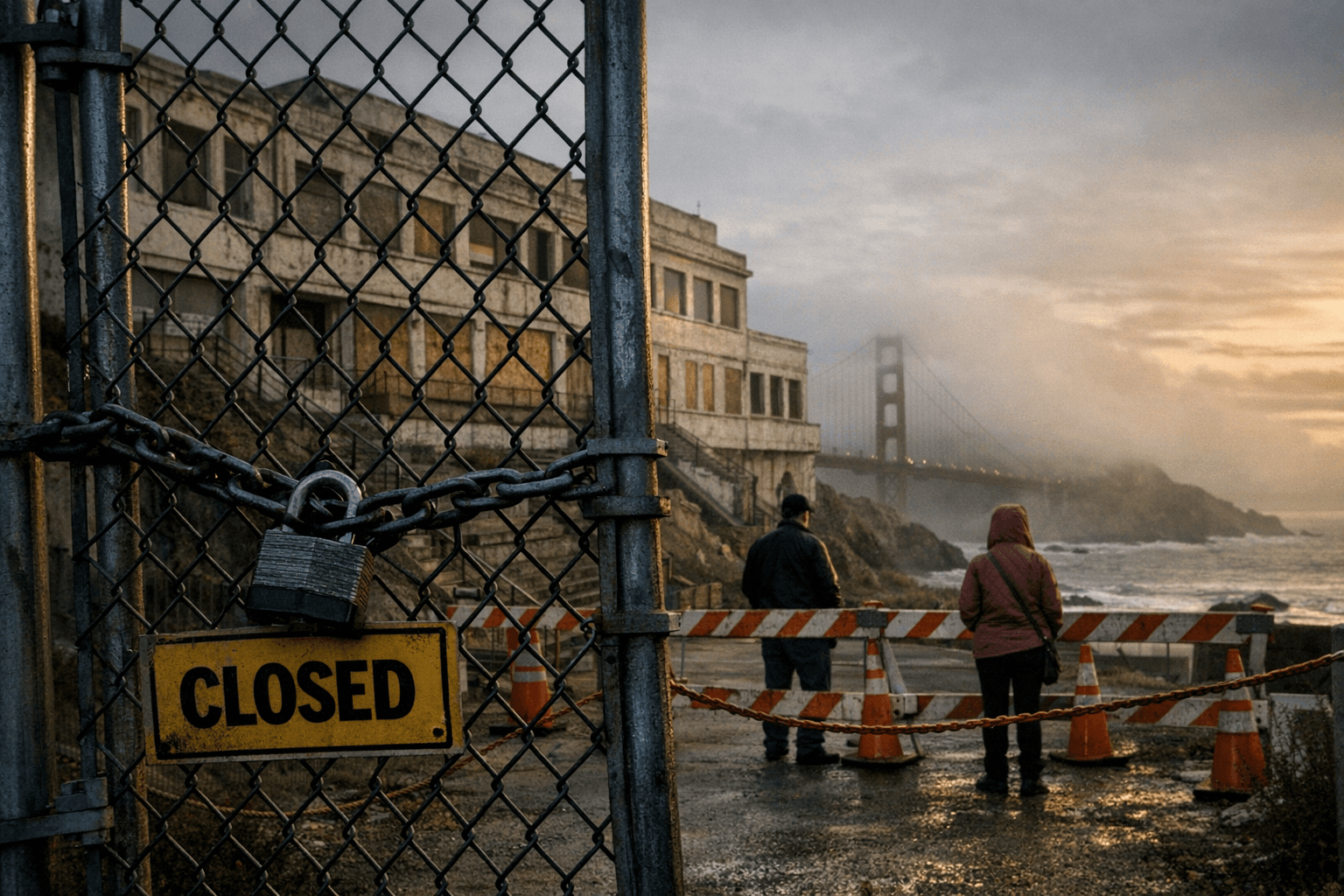
A cluster of familiar San Francisco institutions, including Louis’ Restaurant, the Cliff House, Julius’ Castle, 1 Ferry Plaza East and the Alexandria Theater, stayed closed after a new survey of shuttered sites found a tangle of structural problems, lease and ownership disputes, prohibitive renovation costs, permitting headaches and neighborhood concerns that have kept reopening plans stalled. The closures have local consequences for jobs, cultural life and neighborhood vitality across San Francisco County.
Reporters visited multiple shuttered properties and documented visible decay and boarded facades alongside active planning files and legal claims. Property managers, supervisors and preservation advocates described overlapping barriers: buildings that need extensive repairs, unclear or contested ownership and long, costly permitting processes. Some owners say redevelopment plans are being considered that could repurpose sites rather than restore their historic uses; preservation advocates warned such plans risk erasing community memory and affordable cultural space.
The immediate impacts are practical and social. Employees and small vendors who once depended on these sites lost steady work; nearby businesses that benefited from foot traffic saw declines. The loss of gathering places and neighborhood anchors also matters for community health: fewer public destinations reduce informal social support networks and undermine recovery of commercial corridors that provide services and jobs. For neighborhoods already grappling with housing and cost-of-living pressures, the indefinite closure of recognizable landmarks adds to a sense of disinvestment.
Policy and finance are central to whether any of these properties reopen. Reported renovation estimates ran into the millions for several buildings, and complex title or lease disputes add months or years to timelines. Permitting and neighborhood review processes, while intended to protect safety and character, have lengthened project schedules, leaving sites vulnerable to further deterioration. Preservation advocates pushed for targeted public investment and incentives to make restoration feasible, while some property owners signaled interest in redevelopment that could meet market demand more quickly but might not prioritize cultural uses or local jobs.
For San Francisco County residents, the fate of these properties is about more than architecture; it is about equitable access to jobs, cultural continuity and neighborhood stability. Restoring these sites will require coordinated action among owners, city agencies, preservation groups and community leaders, and likely financial strategies that combine public funding, private investment and community benefit conditions.
What comes next will unfold in hearings, permit reviews and negotiations. Residents who care about preserving neighborhood anchors should watch local planning agendas and engage with supervisors as timelines and proposals emerge. The closures reveal a broader challenge: protecting cultural infrastructure while navigating a real estate market and regulatory system that too often favors delay or redevelopment over repair and reuse.
Know something we missed? Have a correction or additional information?
Submit a Tip